The Sopranos Is Nearly Perfect, But These 6 Shows Are Even Better

Ben Sherlock is a Tomatometer-approved film and TV critic who runs the massively underrated YouTube channel I Got Touched at the Cinema. Before working at Screen Rant, Ben wrote for Game Rant, Taste of Cinema, Comic Book Resources, and BabbleTop. He's also an indie filmmaker, a standup comedian, and an alumnus of the School of Rock.
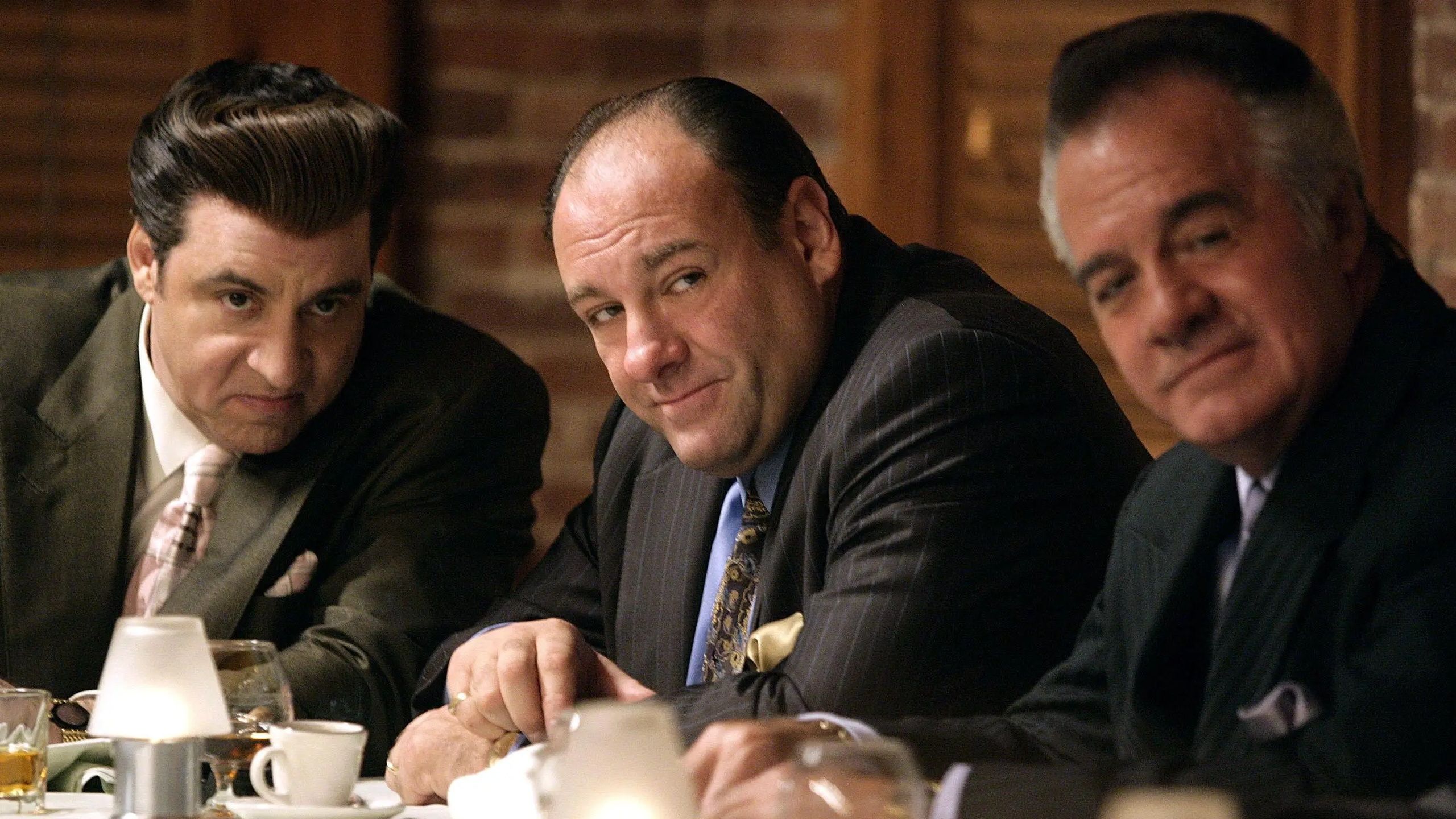
The Sopranos singlehandedly kicked off the Golden Age of Television. It busted the medium wide open, introducing gritty realism, cinematic visuals, surrealist storytelling, and risque subject matter to the small screen. James Gandolfini gave a shockingly authentic performance as a murderous mob boss, and both popularized and perfected the TV antihero. Within five episodes of The Sopranos, creator David Chase was already in uncharted territory. He had his supposed protagonist kill a man in cold blood, all while touring college campuses with his teenage daughter.
When it comes to naming the greatest TV shows ever made, The Sopranos is bound to be one of the first titles that comes up. But it’s not quite a perfect series. It took a lot of big swings, and they didn’t always work out.
When The Sopranos pulled off one of its big swings, like the “Funhouse” fish market epiphany or the “Pine Barrens” Waiting for Godot-style two-man one-act play, then it revolutionized television. But the show didn’t always pull them off. Between Tony’s multi-episode coma dream and the polarizing final cut-to-black, The Sopranos didn’t always get it right. The racial commentary in The Sopranos’ Columbus Day episode is absurdly heavy-handed, and the storyline of Meadow and her friend doing speed due to the pressures of getting into college just reeked of a bad after-school special.
The Sopranos is close to perfect, but it’s not quite perfect. From The Wire to Chernobyl to Avatar: The Last Airbender, there are a select few TV masterpieces that have surpassed the high bar set by HBO’s mafia drama (and one that actually came before it).
Breaking Bad

This one might be a little controversial, because The Sopranos paved the way for Breaking Bad. Without The Sopranos, there would be no Breaking Bad. The Sopranos walked so Breaking Bad could run. But, on the whole, Breaking Bad has a much tighter overall narrative than The Sopranos. The Sopranos didn’t have a single, overarching storyline — it simply chronicled the lives of this crime family — but Breaking Bad tells one story from beginning to end, and it’s perfectly crafted.
Vince Gilligan famously set out to turn Mr. Chips into Scarface, as a mild-mannered chemistry teacher was diagnosed with lung cancer and resorted to cooking meth to pay his medical bills and make sure his wife and kids would be provided for after he was gone. It gave the series a ticking clock, and a specific story goal to work towards, which kept it a lot more pressing and engaging than The Sopranos ever was. Plus, while The Sopranos’ finale was polarizing, Breaking Bad’s finale was universally praised.
Avatar: The Last Airbender
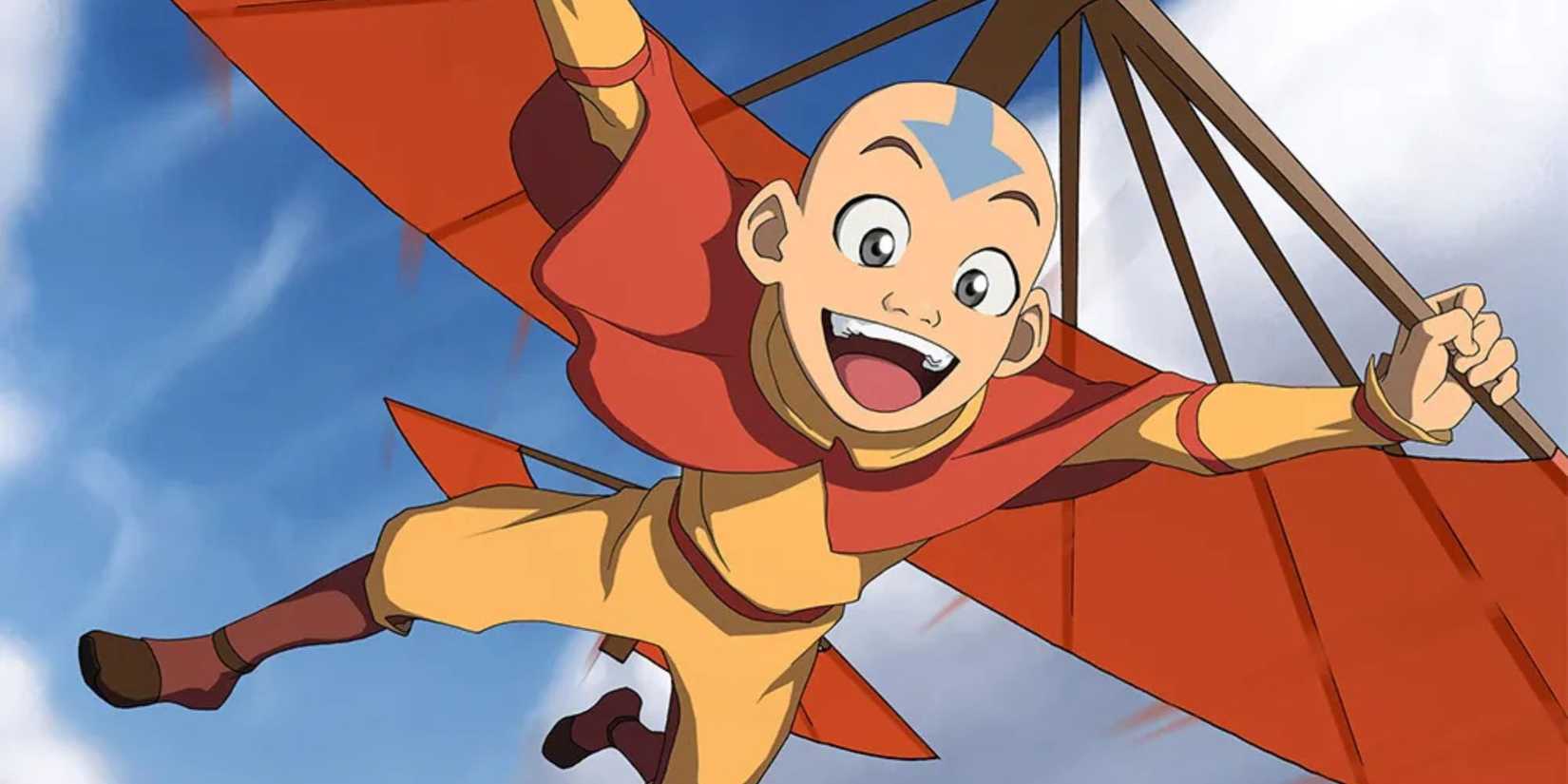
Avatar: The Last Airbender is one of those TV shows that everybody should watch at least once. It might look like a cartoon for kids — an anime-inspired action-adventure — but it’s so much more than that. This is a universally relatable coming-of-age story dressed up as a mythic fantasy. It might be children’s entertainment, but it’s more thematically challenging and emotionally engaging than most shows made for grownups.
Aang’s quest to master all four elements and save the world from the Fire Nation’s tyrannical rule is a poignant allegory to help kids understand how the world works. Avatar tackled heavy topics like war and authoritarianism and gender politics through the lens of a fun-filled animated adventure. It broke down these difficult subjects in a way that made them accessible for young viewers.
Mad Men
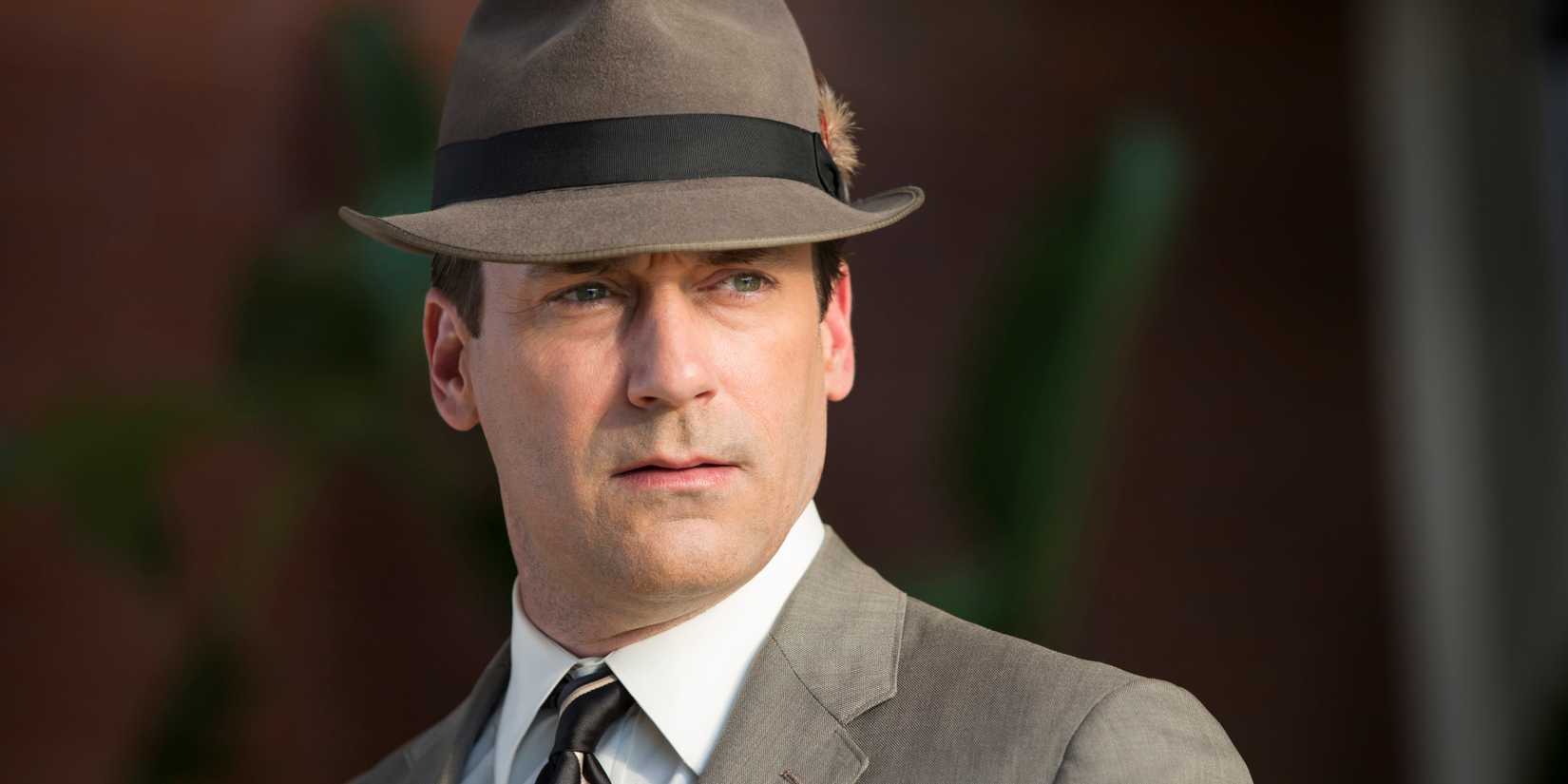
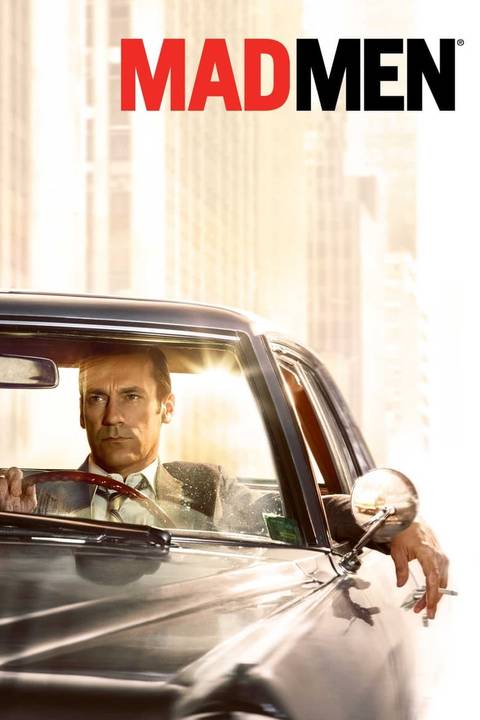
After cutting his teeth as a writer on The Sopranos, Matthew Weiner carried that nuanced approach to character over into his next series, and went even deeper with it. In Mad Men, the characters almost never say how they truly feel. They’re often lying to each other, or to themselves, and their words and their facial expressions say two completely different things. You have to watch Mad Men a couple of times just to catch all the subtle details in the performances and the writing. There are so many layers that, even after your first or second rewatch, you’ve only just scratched the surface.
Whereas other Golden Age TV dramas like The Sopranos and The Wire and Breaking Bad could rely on the spectacle of mob murders and gangland shootouts to keep their audience gripped, Mad Men had only the messiness of human behavior to thrill its viewers. Mad Men had a much steeper uphill battle to be as captivating and exhilarating as The Sopranos, and it managed to be an even deeper, darker character study.
Mad Men

10/10
- Release Date
- 2007 - 2015-00-00
Chernobyl
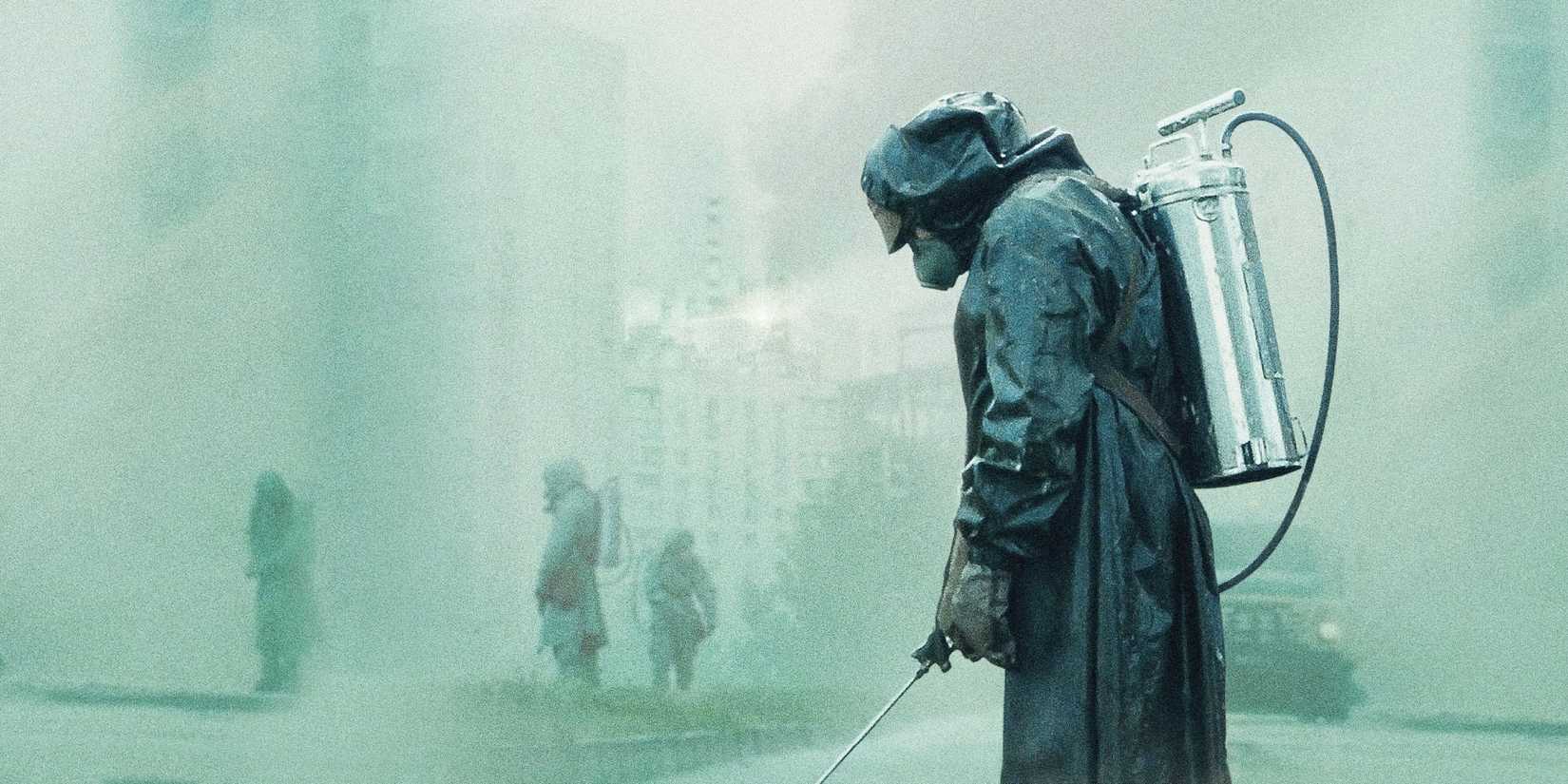
As a five-part miniseries, Chernobyl had far fewer episodes than The Sopranos, and was therefore a lot easier to get right. There’s a reason why limited series like Adolescence and Baby Reindeer and Band of Brothers often appear on lists of the greatest TV shows ever made; it’s a lot easier to make seven great episodes of television in one single block than 100 over the course of many years. It’s much easier to get a miniseries like Chernobyl right than a series-series like The Sopranos.
Having said that, it’s almost impossible to get it *this* right. Craig Mazin’s dramatization of the Chernobyl nuclear explosion and the ensuing fallout and attempted government coverup is one of the most gripping, eye-opening, profoundly thought-provoking TV masterpieces ever created. Chernobyl is the scariest TV show of all time; its portrayal of the aftermath of a nuclear disaster is more ominous and gruesome and terrifying than any straightforward horror series.
Twin Peaks

Before The Sopranos brought cinematic imagery to the small screen, and before The Sopranos injected a hefty helping of surrealness into a typical TV drama, and before The Sopranos challenged the norms of standards and practices with unusually disturbing content, a different game-changing TV masterpiece did all those things. Twin Peaks brought the uniquely unsettling vision of David Lynch from the cinema to the television set.
Twin Peaks is dressed up as a typical small-town soap opera, introducing us to an eclectic ensemble of colorful characters spread across a sleepy little community in the misty heart of Americana. But it soon becomes clear that this is no ordinary town, and there’s something supernatural afoot, and Special Agent Dale Cooper is going to get to the bottom of it. It’s not TV; it’s something entirely different.
The Wire
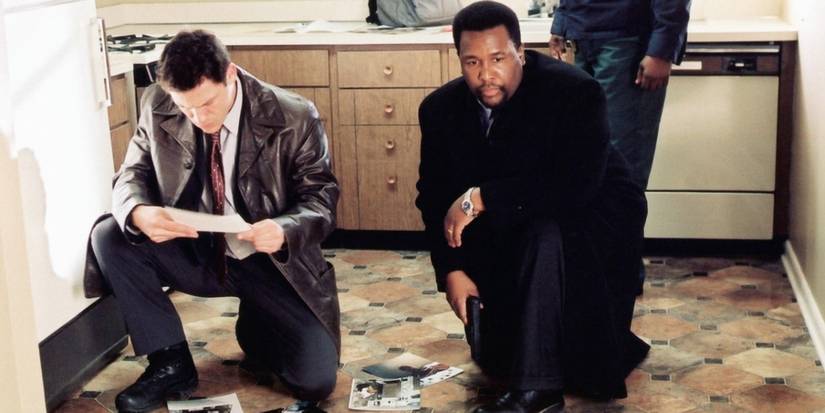
Right in the middle of The Sopranos’ run, when it seemed as though HBO’s crime drama game couldn’t get any better, The Wire premiered its first season. David Simon turned his years of experience as a police reporter in Baltimore into the most fiercely realistic cop show ever made. The Wire threw the procedural playbook out the window; it feels more like a fly-on-the-wall documentary, observing a real police force and the crooks they’re chasing, than a standard detective drama. It’s not a case-of-the-week show; it takes years for the Major Crimes Unit to build a case against a drug lord like Avon Barksdale or Marlo Stanfield — and, most of the time, the bad guys get away.
Over the course of its five seasons, The Wire explored crime and corruption in the American city through five different institutions — the illegal drug trade, the docks, the local government, the public school system, and the media — using Baltimore as a microcosm for what the entire country was going through. The Wire feels more like a multi-perspective novel than a typical TV show, but it’s still an entertaining series, with lots of laughs and lovable characters.
The Wire may have stumbled a little in its fifth and final season, indulging in the Hollywood sensationalism that it initially subverted, but the first four seasons are so strong (and even the fifth one is still solid, just less so) that The Wire still deserves its title as the single greatest TV show ever made. The Sopranos is definitely in contention, as is every other entry on this list, but The Wire blows them all out of the water.
KioskNews shows a cleaned-up reading view extracted from the publisher’s page — the original always lives on their site, not ours.