Inside SEBI's AI War Room Tracking Suspicious Trades In Real Time
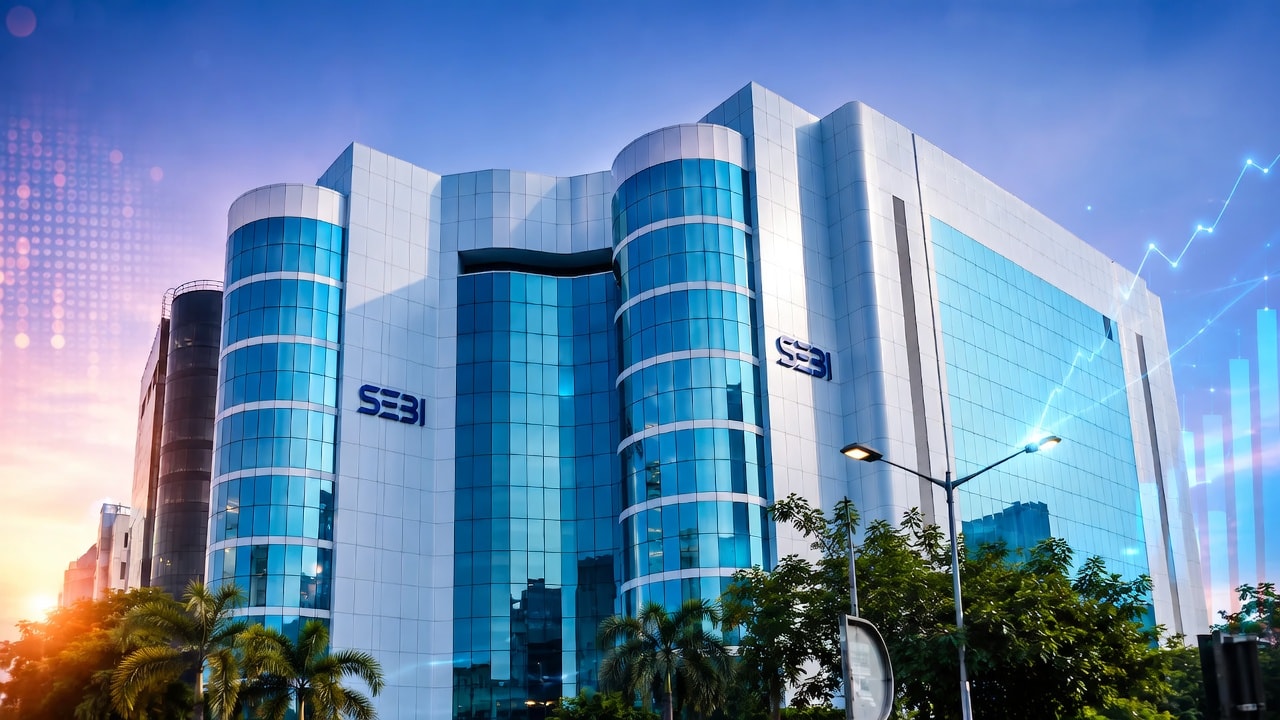
Inside the sprawling complex of India's market regulator located in Mumbai's dense financial district, officials are turning to artificial intelligence to police some of the world's most sophisticated traders.
On a typical workday, dozens of analysts cluster around screens, using artificial intelligence tools to sift through vast streams of data -- stock volumes, derivative positions and algorithmic identifiers - in search of anomalies, according to people familiar with the matter. Suspicious stock tips and promotional posts are also tracked across social media and forums, then simultaneously matched against trading activity to identify potential pump-and-dump schemes. Follow Live Market Updates
One payoff came last month, when the Securities and Exchange Board of India launched enforcement action against a JPMorgan Chase & Co. unit six days after surveillance systems flagged suspicious activity in a newly launched closing auction mechanism, according to a person familiar, who declined to be identified discussing sensitive information.
Also Read | Layoffs Are Rising In Tech, But These Skills Are Helping People Unlock Better Pay
An alert generated by AI and machine-learning tools was among the factors underpinning the regulator's case. While the watchdog has since lifted a trading ban after impounding the alleged illegal gains, the investigation will continue.
The case offers a glimpse into SEBI's broader AI push as it deploys the technology to spot potential misconduct and emerging risks. The effort comes as regulators grapple with markets transformed by nearly $4 trillion in notional derivatives trades, sophisticated high-speed traders and a flood of social media commentary and misinformation. The technology could help regulators keep pace with complex markets despite finite resource.
"AI is a great equaliser," said Pankit Desai, a 25-year veteran in AI-based cyber security solutions and co-founder at Mumbai-based Sequretek Pvt. "Today, they don't have to wait for years to carry out an investigation. A genuine case can be built in a matter of a few hours and a few days at the worst."
A spokesperson for SEBI did not respond to a request for comment.
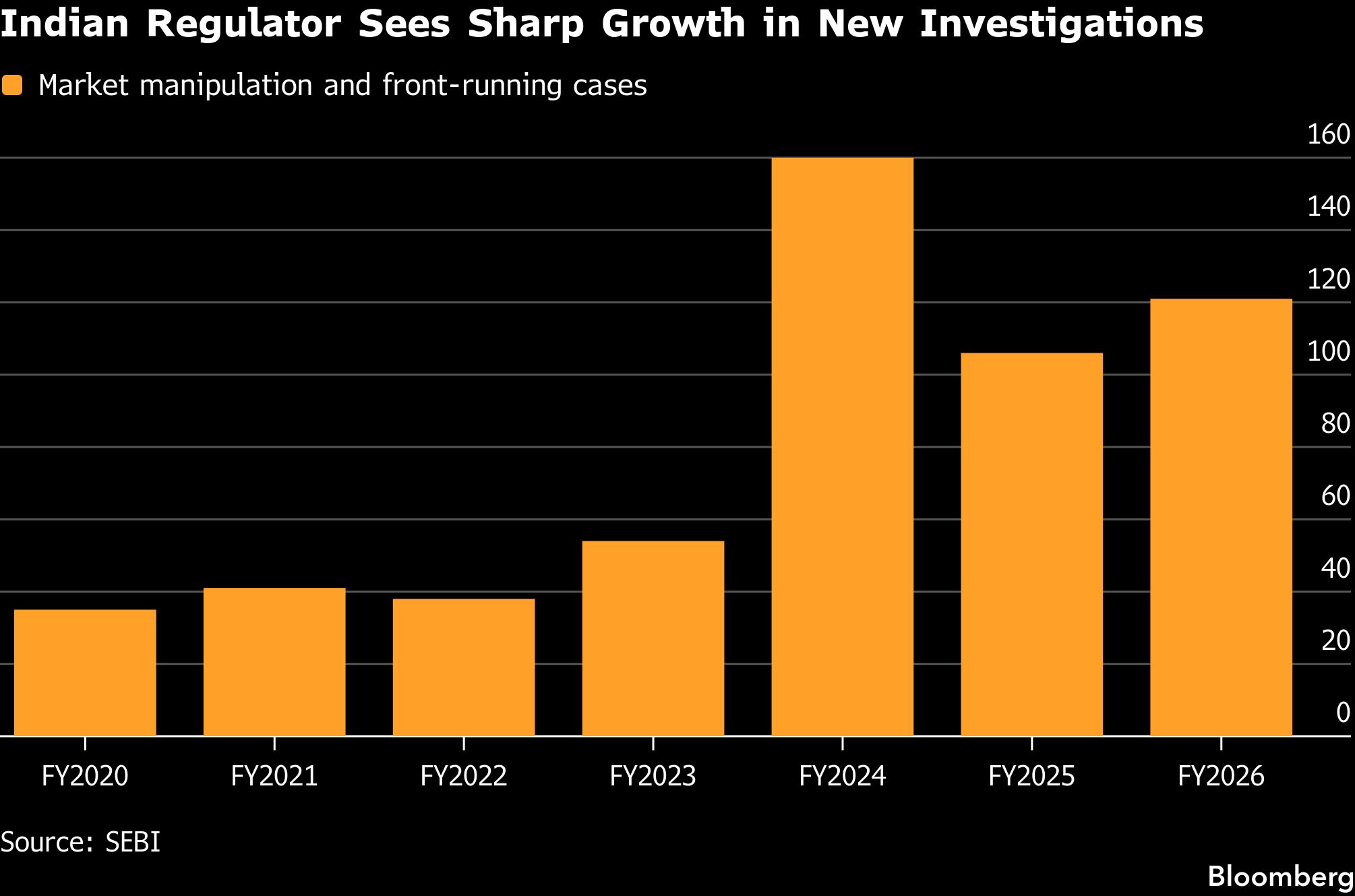
The Jane Street case added urgency to SEBI's efforts to bolster its surveillance. In July 2025, SEBI accused the quantitative trading firm of manipulating the Nifty Bank Index, temporarily barring it from the market and ordering it to return billions of rupees in allegedly illicit gains. Jane Street has denied the allegations and a ban on it was lifted by the regulator after the firm deposited the alleged illegal gain.
The episode underscored the difficulties regulators face in policing increasingly complex trading strategies, accelerating efforts by SEBI and the country's exchanges to strengthen automated surveillance as India's options market continues to attract traders from around the world.
Those efforts are increasingly centered on machine learning. The technology has helped generate more targeted alerts for unusual trading activity and speed up parts of the review process for initial public offerings by as much as 70%, according to people familiar with the matter. SEBI has also expanded its team of engineers and analysts to more than 200 employees from about 20 five years ago, the people said.
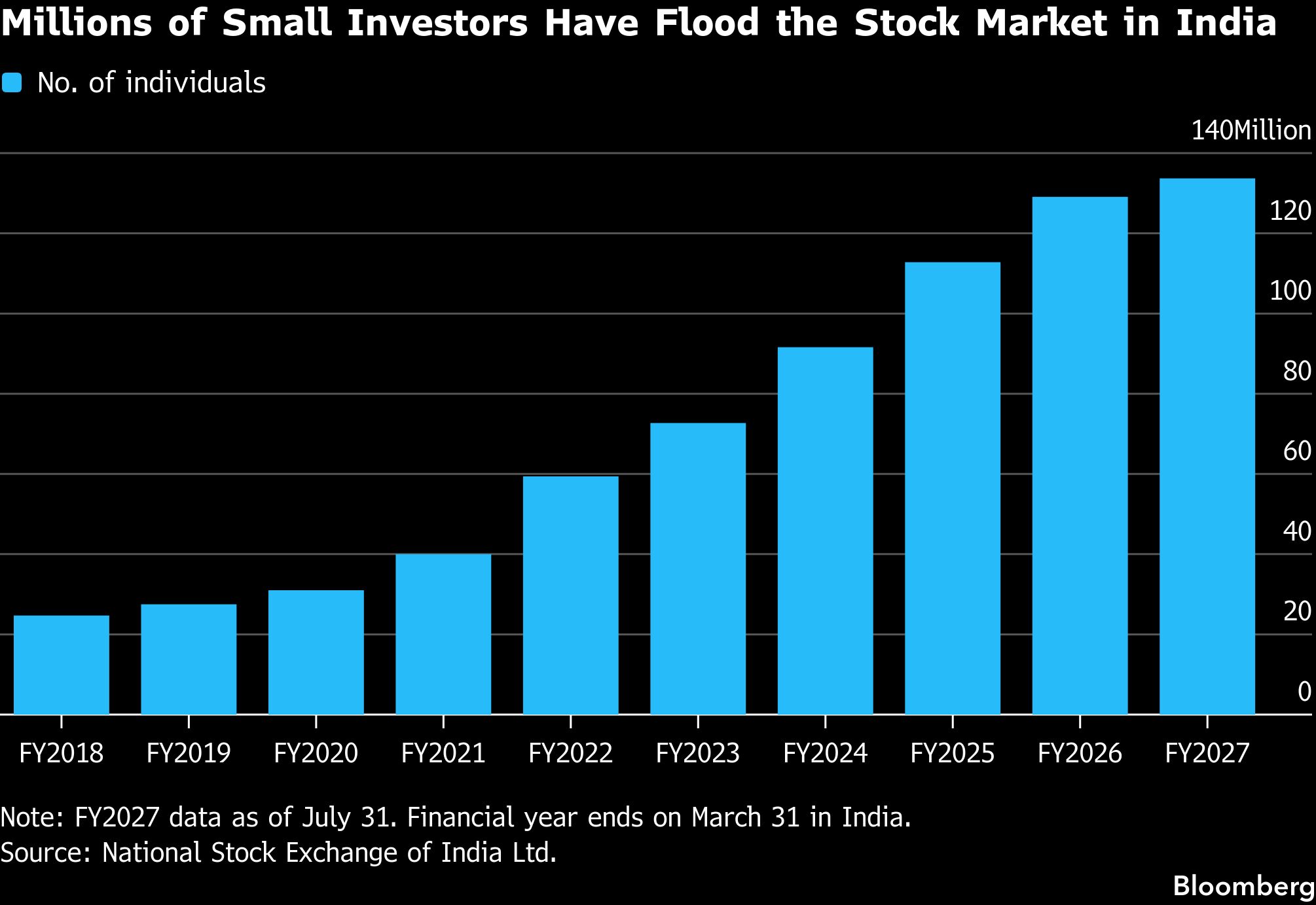
The regulator has also turned the technology toward social media, a persistent source of market manipulation targeting the country's 140-million-strong retail investors. SEBI now makes as many as 7,000 requests a month to platforms including X, Instagram and Telegram to remove misinformation, one of the people said, up about 40 per cent from pandemic-era levels. The system has helped take down more than 100,000 videos across networks, the person added.
The push has been years in the making. In 2019, SEBI started investing in a local data center at its headquarters in Mumbai's Bandra Kurla Complex district. The facility came online in 2021 -- the same year SEBI started deploying its in-house AI tool, Sudarshan, named after a Hindu god's weapon. Early iterations, though, struggled with large language models prone to hallucinations, according to a separate person familiar with the matter, who asked not to be identified because the project is confidential.
Other challenges remain. Key among them is data poisoning, where an AI model's training data is manipulated to alter its behaviour. SEBI's use of external data sources, including social media content that may be populated by bots, raises the risk of malicious inputs compromising its models. The regulator's in-house systems also face scaling constraints, with access to graphics processing units limited by a global supply crunch.
"AI needs to be seen as an assistant, not as an autonomous regulator," said JP Mishra, founder at Deep Algorithms Solutions, an AI startup that works closely with financial institutions.
As a result, SEBI still requires officials to review the output generated by its AI systems and make adjustments to ensure decisions comply with regulations and can withstand legal scrutiny.
Across Asia, regulators are also exploring how to use AI while grappling with the governance standards needed to deploy it responsibly. "Asia is a very disparate landscape characterized by regulators that are at various stages of their journeys in terms of implementation of AI within their own walls," said Rishi Kapoor, head of technology and operations at Asifma.
The same responsibilities that apply to the industry must also apply to regulators, he added. "That means ensuring that data is kept confidential, there is strong model governance. And there is classification and management of risks at the appropriate levels."
(Except for the headline, this story has not been edited by NDTV staff and is published from a syndicated feed.)
KioskNews shows a cleaned-up reading view extracted from the publisher’s page — the original always lives on their site, not ours.