China professor sparks debate by claiming one-third of youth are ‘unsuitable for marriage’

A viral interview with Chinese professor-influencer Liang Yongan has reignited the debate over China’s evolving marriage norms after he argued that at least one-third of people in the country are ill-suited for marriage.
Liang, 72, a professor of Chinese language and literature at Fudan University in Shanghai, has emerged as a significant voice on mainland social media, attracting nearly one million followers with his candid observations on youth culture, relationships, and social change.
The remarks originated from a three-year-old interview that recently resurfaced online.
“At least one-third of people are not suited for marriage because marriage requires the ability to care for and make sacrifices for another person,” Liang stated.
His comments come as more young Chinese embrace independent lifestyles, with the “single economy” driving growth in solo dining, emotional companionship, and pet-related consumption.
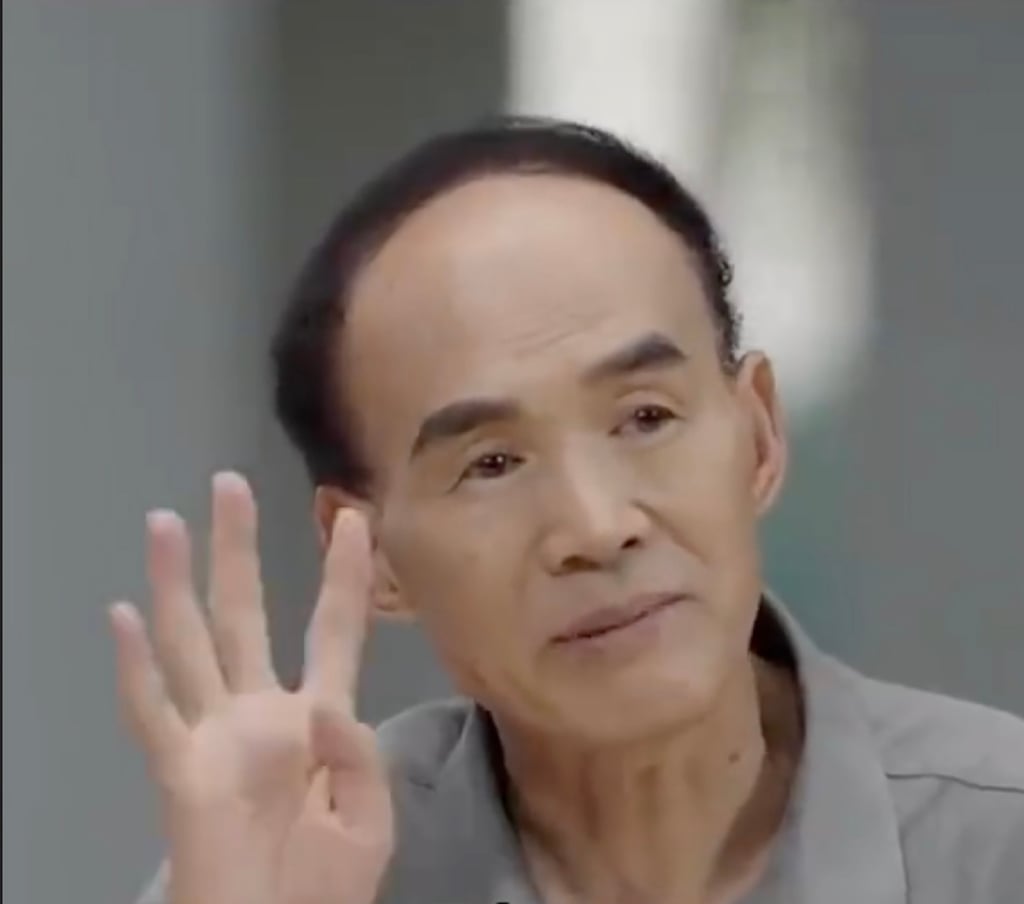
Liang argued that marriage necessitates commitment and compromise from both partners, urging young people to “grow first, then fall in love” by developing a stronger sense of self before entering relationships.
The resurfaced remarks quickly sparked a lively debate online.
Some users supported his view, asserting that marriage should not be treated as an obligatory life milestone.
“Finally, an expert has articulated what many people are thinking,” one commenter wrote, adding: “Self-centred individuals should refrain from entering marriage, as they may harm their partners.”
Others questioned whether his argument oversimplified a more complex issue.
“Does stating that one-third of people are unsuitable for marriage grant those who choose not to marry a ‘free pass’, or does it simply elevate the criteria for marriage?” another user wondered.
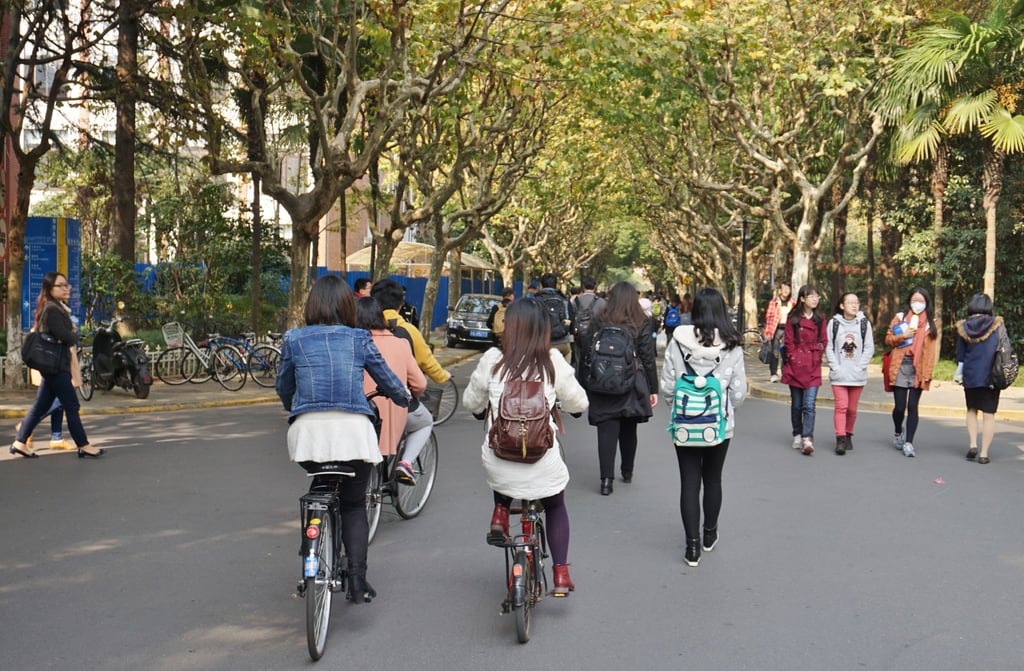
The discussion reflects broader shifts in China’s attitudes towards marriage.
Official data revealed that marriage registrations fell by 7.5 per cent year on year in the first half of 2026, while divorce registrations rose by 3.9 per cent to 1.38 million.
Authorities have implemented measures to encourage marriage, including streamlined registration processes and incentives such as free health checks and consumption vouchers for newlyweds.
Some local governments have relocated registration services into unconventional spaces, including banks, shopping centres, and underground stations to facilitate nuptials.
However, critics argue that such measures do not address deeper structural issues, such as employment uncertainty, childcare costs, housing pressures, and work-life balance.
Liang has long explored questions of love, youth, and personal development. He first gained widespread attention in 2017 after a speech regarding how young people approach romantic relationships.

He has described contemporary society as entering a “golden age of being single,” suggesting that young people’s choices are influenced by various factors, including concerns over emotional hurt and lifestyle changes such as increased dependence on digital devices.
Drawing on literature and film, including Jane Austen’s Pride and Prejudice, Liang suggests that meaningful relationships often arise not from deliberate pursuit but through personal growth, self-awareness, and maturity.
He has even proposed that 40 may be a more suitable age to pursue love, as greater life experience can lead to a clearer understanding of oneself.
Some critics, however, have pointed out the limitations of Liang’s views in addressing the complexities of real-life relationships.
“The literary and film examples he references often reflect idealised relationship models that remain detached from the intricate realities of economic pressures, family responsibilities, and gender dynamics,” one observer noted.
KioskNews shows a cleaned-up reading view extracted from the publisher’s page — the original always lives on their site, not ours.