Five encounters, five deaths, zero reports: Police yet to reply to Bengal rights panel
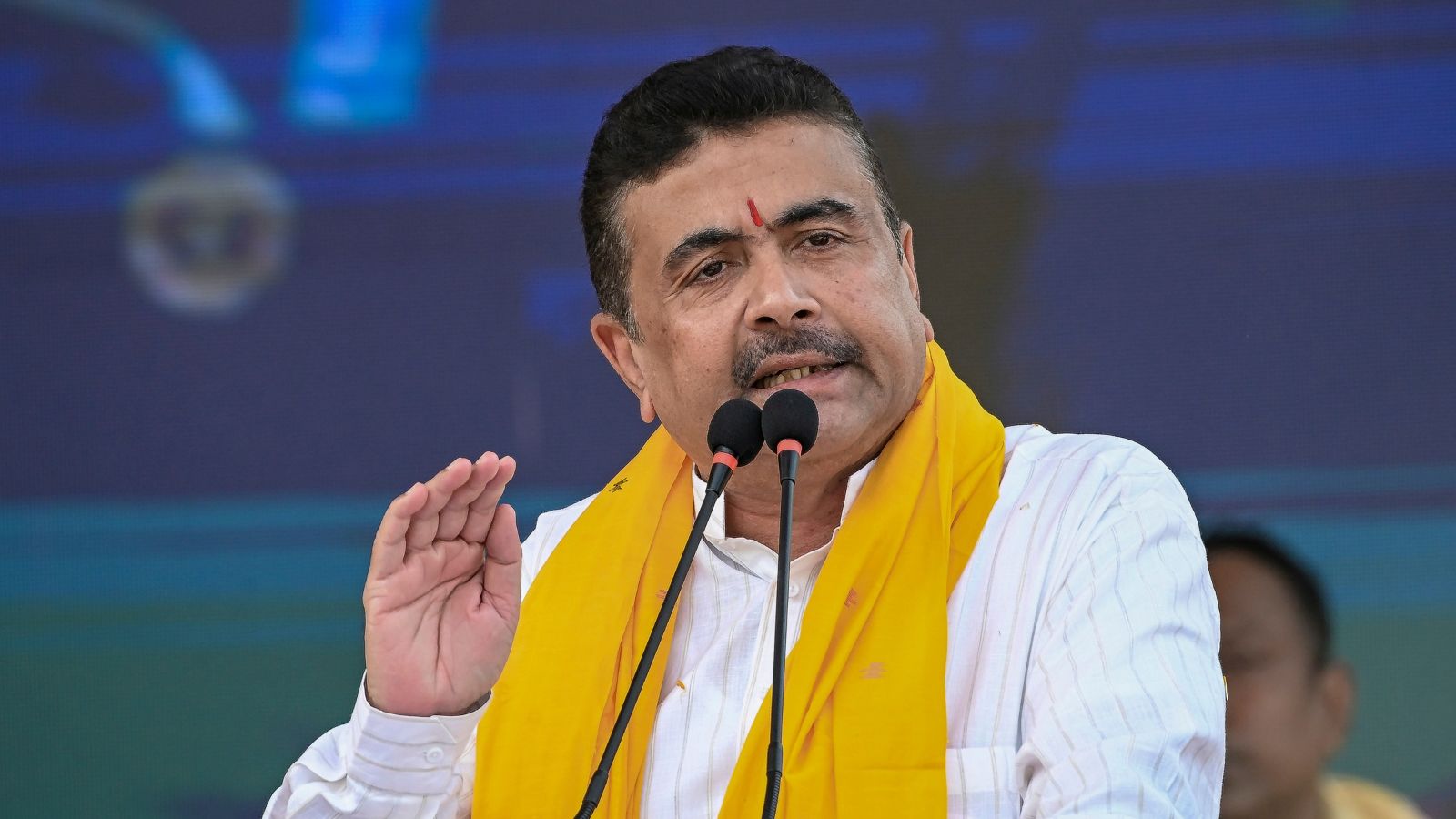
In the five police encounters carried out since the Suvendu Adhikari-led BJP government took charge of West Bengal in May, five accused have been killed. Three of these encounter killings involved accused in rape-murder cases, while two were allegedly dreaded criminals.
Even as the West Bengal Human Rights Commission (WBHRC), after every encounter, took ‘Suo Motu cognizance’ — since the Commission considers these as custodial deaths — and sought a report from the state police, till date there has been no headway. Staunchly defending the police firing in these encounters, Chief Minister Suvendu Adhikari had earlier announced that the police force has been given “free hand” in certain cases.
He said, “If someone tries to kill the police, will the police throw rasgullas? Is it the police’s job to keep guns in their pockets? The police have dealt with it in accordance with the law. The police were attacked, and the police did what they had to do.” “The government has given the police a free hand in certain cases. They need not wait for permission from their superiors to act. There is absolutely zero tolerance towards rape and murder, drug trafficking and infiltration,” the CM had asserted.
Police given two weeks to reply
After every encounter, the WBHRC, comprising Chairman retired Justice Indra Prasanna Mukherjee, retired Justice Madhumati Mitra and former Chief Secretary Basudev Banerjee, sought a report from the concerned police district, giving them two weeks, to submit a report, from the date of receipt of that communication. The police were asked to submit the deceased’s inquest report, post-mortem report and CCTV footage of the concerned area.
“Detailed report relating to the entire incident and steps/action taken by the police prior to the incident and after the incident in compliance with the guidelines of Apex Court..”stated the Commission notice.
WBHRC chairman retired Justice Indra Prasanna Mukherjee also directed to “produce such evidence in physical or electronic form before the commission, so as to satisfy the body that the deceased person was such a threat to the lives of the police personnel at the site or to the life of any of them that killing him was the only way of subjugating him.”
“After seeing the media reports, we took suo moto cognizance in every case and sought a report from the police asking in what circumstances they were forced to kill a person. However, we have yet to get those reports,” Mukherjee told The Indian Express.
A senior official of the Home Department said, “As per law, we started a judicial inquiry in every encounter that took place in the last six months. We don’t have any idea that the WBHRC has sought a report from the state government.”
Role of WBHRC
WBHRC was set up in 1995 under the chairmanship of Retired Justice Chittatosh Mookerjee. Two others, Justice Mukul Gopal Mukherjee and Justice Shyamal Kumar Sen were also part of the panel.
A senior WBHRC official said, “In 1997, one Babai Biswas died in police custody. According to the police report, he died of “cardiac respiratory failure”. WBHRC was not satisfied with that report and conducted its own inquiry. The investigation revealed that Biswas’s body bore 29 injury marks. After inquiry, WBHRC declared “The policemen had murdered Biswas while he was in custody.” The official stated that the panel submitted a detailed report to the state government recommending “prosecution of those police personnel and doctors who fabricated death certificates.”
According to the official, “The WBHRC can seek a report from the state government if police will not comply. Then, if WBHRC feels necessary, an investigation can be conducted on its own and recommendations can be submitted to the state government.”
Series of encounters
Ratan Sheikh, who had at least 36 criminal cases against him, was the prime accused in the shooting of a constable in Santiniketan in Birbhum district. Sheikh was killed in an alleged police encounter near Nanoor on November 15. Police said that they opened fire on Sheikh “purely in self-defence”.
Before that, in Raiganj incident, Dilip Roy, an accused in the rape-murder of a 12-year-old girl, was shot dead in a police encounter near the Bengal-Bihar border in Uttar Dinajpur district on November 9.
The encounters started barely two months after the BJP came to power in Bengal, on July 8, Prabhas Mondal, accused of raping and killing a 13-year-old girl, was shot dead at Baruipur in South 24 Parganas. Police claimed he tried to snatch an officer’s firearm and was killed in retaliatory firing.
On October 27, Prahlad Das, an accused in the rape-murder of a 13-year-old, was shot dead in Gaighata in North 24 Parganas. Police claimed he snatched an officer’s revolver and opened fire when he was taken to the incident spot after midnight for crime reconstruction, and was killed in retaliatory firing. The same day, at Samserganj in Murshidabad, Samiul Sheikh, accused of murdering BJP worker Sujit Mondal, was killed in an encounter with the police. Sheikh, police claimed, was shot dead when he tried to snatch a policeman’s weapon.
KioskNews shows a cleaned-up reading view extracted from the publisher’s page — the original always lives on their site, not ours.