Mutual Funds vs Direct Stocks: Which Is Better When Markets Turn Volatile?

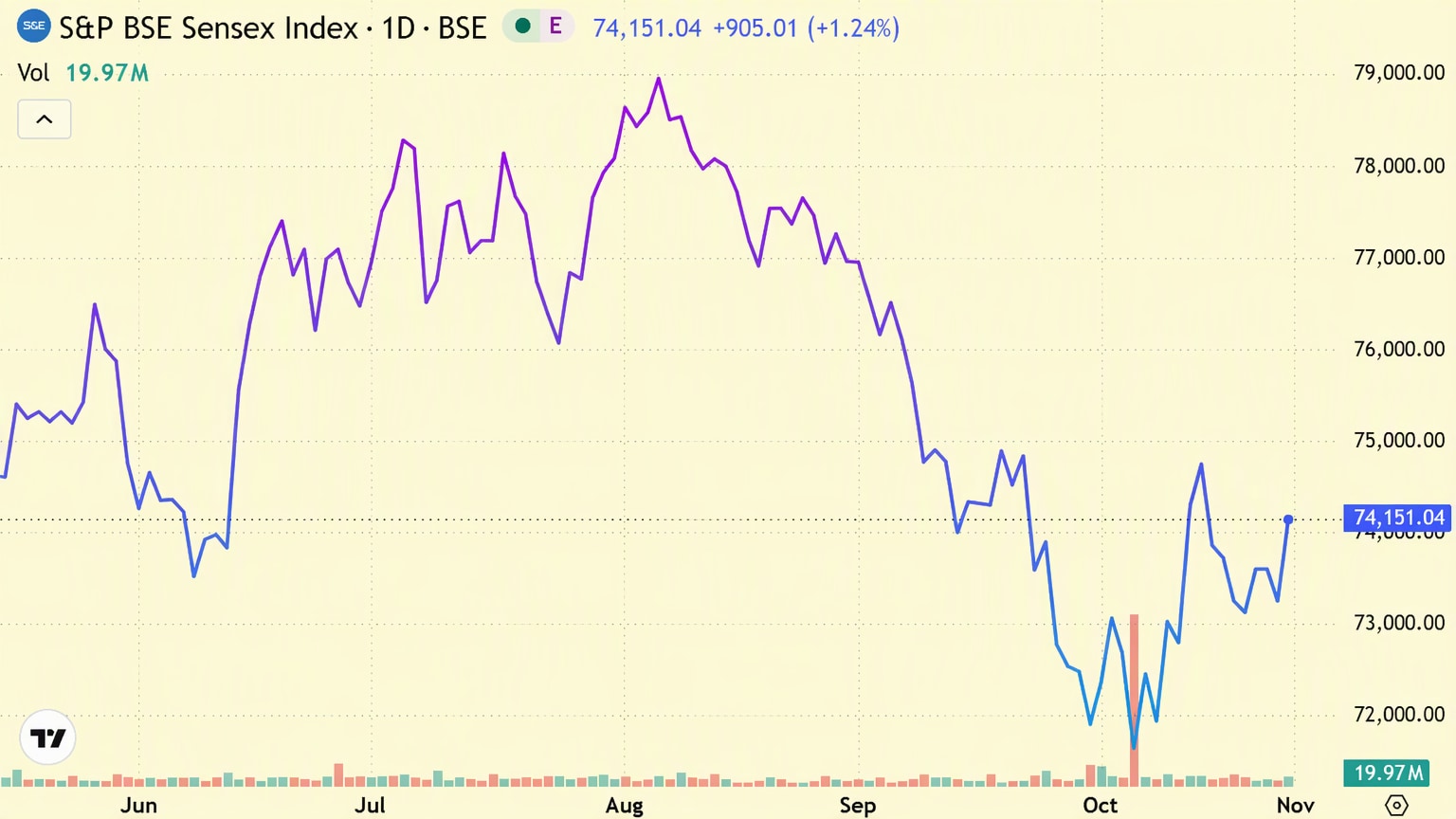
Stock Market News: A falling stock market can make investors question everything. Stocks they once wanted to buy suddenly look cheaper. Mutual fund portfolios turn red. And the temptation to abandon a systematic investment plan (SIP) and pick individual stocks grows stronger.
But a market correction is not necessarily the best time to change your investment strategy. It is a test of whether your existing approach suits your financial goals, risk appetite and ability to handle losses.
The choice between mutual funds and direct stocks becomes particularly important when markets are volatile. Both offer exposure to businesses and the potential to build wealth over time. The difference lies in how much control investors want, how widely they spread their risk and how actively they can manage their money.
Also Read | Layoffs Are Rising In Tech, But These Skills Are Helping People Unlock Better Pay
Hemant Sood, Founder and Managing Director of Findoc Group, told NDTV that the decision should depend on an investor's ability to manage risk and stick to a disciplined investment process, rather than market conditions alone.
Mutual Funds vs Direct Stocks: What Should Investors Choose?
The recent market correction offers a useful lesson in investor behaviour. According to the Association of Mutual Funds in India (AMFI), monthly SIP contributions reached a record Rs 32,490 crore in September. Net inflows into equity mutual funds rose around 31 per cent to approximately Rs 38,300 crore during the month.
The SIP stoppage ratio also eased to 78.5 per cent from 81.1 per cent in August.
These numbers highlight one of the biggest advantages of mutual funds. An SIP allows investors to continue investing at regular intervals, irrespective of short-term market movements. When markets fall, the same instalment buys more mutual fund units.
Investors do not have to decide every month whether it is the right time to enter the market. The process is already in place.
Direct stock investors face a different challenge. When a share falls sharply, they must decide whether to buy more, hold on or sell. These decisions require research and emotional discipline, particularly when market sentiment is weak.
A lower share price does not automatically make a stock attractive. If a company's business prospects have deteriorated, buying more shares could increase the investor's losses.
Do Mutual Funds Always Beat Direct Stocks?
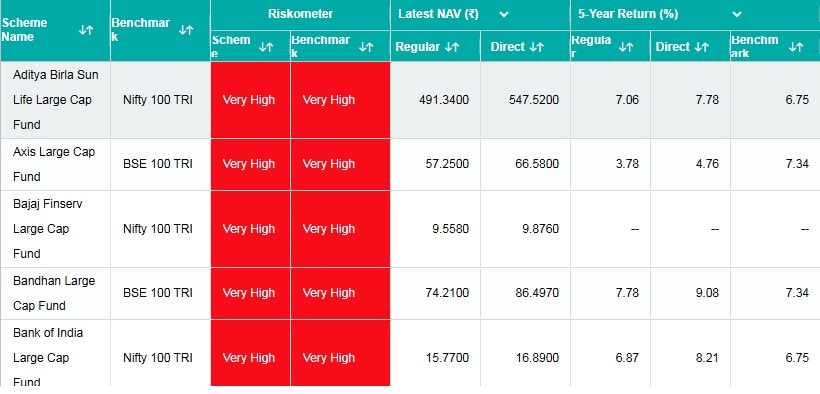
Mutual funds offer diversification and professional management, but they do not guarantee superior returns.
The S&P Dow Jones Indices SPIVA India scorecard shows that more than 70 per cent of active funds underperformed their respective benchmarks over the 10 years to June 2026 across every category examined.
This is an important consideration for investors choosing between actively managed mutual funds and direct stocks. Even professional fund managers can struggle to outperform the broader market consistently.
Low-cost index funds, which track an index such as the Nifty 50, can be a practical option for investors seeking diversified market exposure without trying to identify the best-performing fund manager.
However, investors who choose individual stocks must be prepared to do their own homework. This includes understanding a company's financial statements, competitive position, debt, growth prospects and valuation.
Sood's central argument is that investors should choose their route based on their own capabilities. Mutual funds can provide the core of a portfolio, while direct stocks may suit those who have the time, knowledge and discipline to research businesses and monitor their investments.
When Do Direct Stocks Make Sense?
Direct stock investing offers greater control over portfolio decisions. Investors can choose the businesses they want to own, decide when to buy or sell and avoid mutual fund management fees.
However, brokerage charges, statutory levies and taxes still apply.
More importantly, direct investing requires a clear strategy. Investors should know why they are buying a stock, what could weaken their investment thesis and how much of their portfolio they are willing to expose to a single company.
They must also distinguish between a temporary fall in share prices and a lasting deterioration in a business.
A bull market can make stock selection look easy because rising prices lift investor confidence. A correction, however, can expose weaknesses in research and risk management.
For investors who lack the time or expertise to conduct this analysis, diversified mutual funds may be a more practical starting point.
What Should Investors Do In A Volatile Market?
Investors should begin by separating their short-term financial needs from their long-term investment goals. Money needed for emergencies or near-term expenses should generally not be exposed to equity market volatility.
For long-term goals, diversified equity mutual funds and regular SIPs can help investors maintain discipline through market cycles. Those choosing direct stocks should consider limiting that exposure to a portion of their portfolio they can afford to put at risk.
Investors should also check whether their direct stock holdings overlap with the companies already held by their mutual funds. Owning several investments does not necessarily mean the portfolio is well diversified if they all have exposure to the same businesses or sectors.
Sood's advice is to focus on the investment process rather than trying to predict the market's next move. Investors who choose direct stocks should evaluate their performance against an appropriate total-return benchmark over a full market cycle, after accounting for costs.
Ultimately, neither mutual funds nor direct stocks are automatically the better choice. The right option depends on the investor's ability to research businesses, tolerate losses and follow a consistent strategy.
The bigger risk during a market correction is not necessarily choosing the wrong investment product. It is abandoning a sound investment plan because falling prices trigger fear.
KioskNews shows a cleaned-up reading view extracted from the publisher’s page — the original always lives on their site, not ours.