Sudden ice, high costs: are China’s Arctic shipping ambitions at risk after traffic surge?
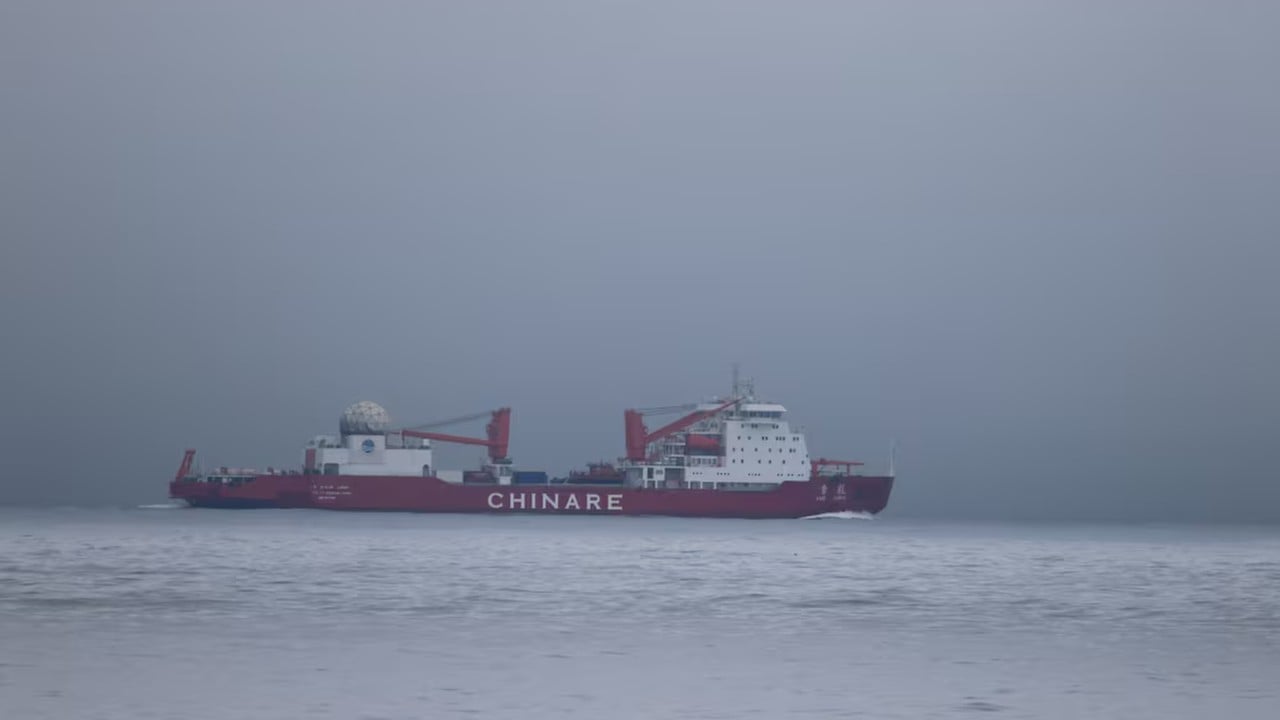
Chinese and South Korean shipping through the Arctic Ocean to Europe has increased this year, although unpredictable ice, high costs and lapses in demand have exposed the challenges of navigating the route, an environmental research group has found.
During the late summer and early autumn shipping season, delays forced one Chinese operator to extend some journeys from 20 days to 30 days, the Oslo-based Bellona Foundation said in a report.
Traffic along the Arctic seaway has been busier than last year, with international shipping along Russia’s Northern Sea Route growing in September, according to the report. Even so, Bellona found that only one of 12 “widely publicised” voyages between China and the northwestern Russian city of Arkhangelsk had been completed by the time its research was conducted.
That vessel arrived in Arkhangelsk on September 22 carrying 880 containers of automobile components.
“The voyages ... exposed persistent obstacles to commercial Arctic navigation, including unpredictable ice conditions, delays, high costs and limited demand from cargo owners,” according to the report.
“The primary difficulty is unpredictable ice and weather conditions,” said Bellona Arctic policy adviser Ksenia Vakhrusheva in an interview. “Climate change and shrinking Arctic ice coverage bring more extreme weather events and the danger of floating ice formations remains.”
Chinese merchant vessels stepped up shipping through the Arctic passage three years ago. Russia, facing Western sanctions over its war in Ukraine, offered China favourable terms for using the route at the time.
The 5,600km (3,480-mile) Northern Sea Route spans Russia’s Arctic coast from the Barents Sea to the Bering Strait. Once impassable for most of the year, the passage has become more accessible as climate change reduces Arctic ice coverage.
Chinese shipping company Sea Legend had planned eight container voyages during the summer-autumn navigation season, a move the Bellona report described as a “significant expansion”.
South Korean operators are also exploring the Arctic route to save time and avoid geopolitical risks on other maritime pathways to Europe. An experimental voyage from Busan reached the UK in 21 days, ending in September, without help from an icebreaker, according to the report.
However, dense drifting ice at one point forced the crew to temporarily suspend nighttime navigation while a lack of European customers for return cargo meant the vessel carried 1,743 empty containers back to South Korea, Bellona reported.
Costs are another obstacle. A November 6 report by Jang Ha-lyong, a senior research fellow at the Busan Development Institute, estimated that shipping a container through the Arctic route could cost 55 to 93 per cent more than using the Suez Canal. Insurance premiums could also run four to five times higher, according to the analysis.
KioskNews shows a cleaned-up reading view extracted from the publisher’s page — the original always lives on their site, not ours.