Trump to cut some Canada tariffs to help Maine lawmaker’s re-election bid

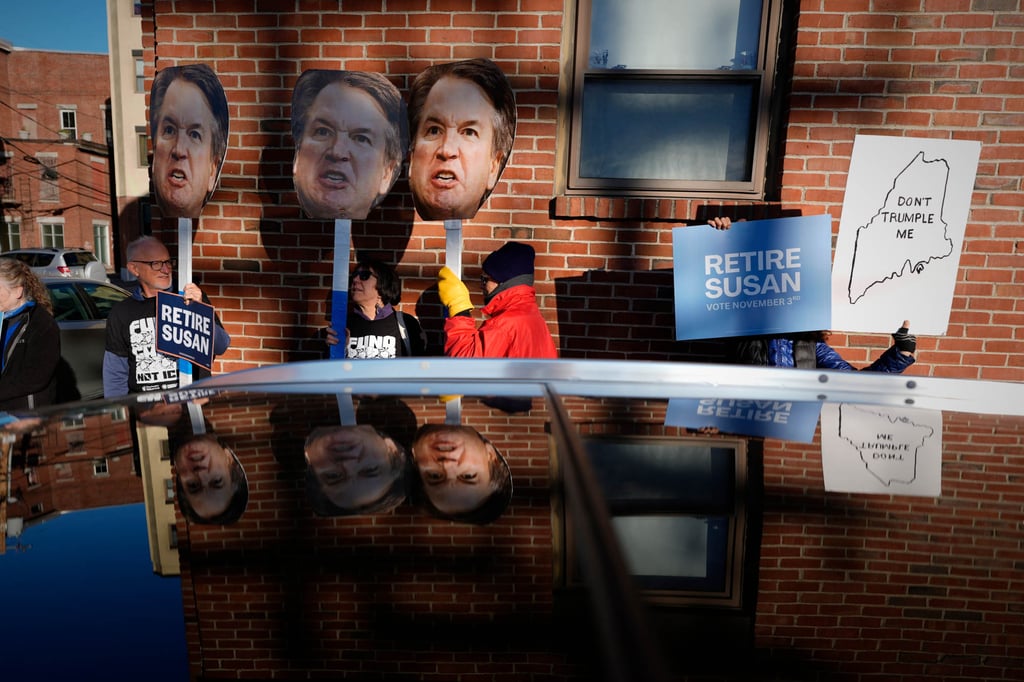
The Trump administration is expanding tariff exemptions to more Canadian products, a move that may help boost Republican Senator Susan Collins’ re-election campaign in Maine.
Collins announced in a statement on Friday that the exemptions would apply to certain paper, plastic, machinery and seaweed products, saying they would help the state’s rural and coastal economy, including the blueberry, potato, apple and seaweed industries.
“Many of our farmers and growers rely on specialised equipment, packaging materials and other products from Canada that are either unavailable from American suppliers or cannot be replaced without incurring significant expense,” she said.
The White House did not immediately respond to a request for comment. The Wall Street Journal reported earlier that the reductions could be balanced out by raising levies on other Canadian goods.
Collins, who is in a competitive re-election race, has touted her ability to secure tariff reductions that affect Maine consumers and businesses.
Her office said she had pushed for additional exemptions during conversations with US Trade Representative Jamieson Greer and Commerce Secretary Howard Lutnick.
US President Donald Trump previously exempted road salt and other products last month, following a request from Collins, at the same time that he announced a series of retaliatory measures after US-Canada talks had collapsed.
Canada also amended its own retaliatory duties to remove seafood products.
The newly exempted products will include corrugated paper and boxes, some plastic packaging materials, refrigeration and freezing equipment, agricultural cleaning, sorting and grading machinery, certain packaging machinery and seaweed and algae food products, according to Collins’ statement.
The changes come with US-Canada trade talks at a standstill. There have been no new substantive discussions since negotiations over a tariff deal imploded in August.
Collins is among the most endangered incumbent Senate Republicans this November, though Democrats have failed in previous efforts to unseat her.
The move comes as national and state-level polls show voters giving Republicans poor marks over their handling of the cost of living and Trump’s war in Iran.
Collins has frequently defied polls and adverse political environments to maintain her seat, but she is battling rising prices – including for housing and fuel – that have made life less affordable for many in Maine.
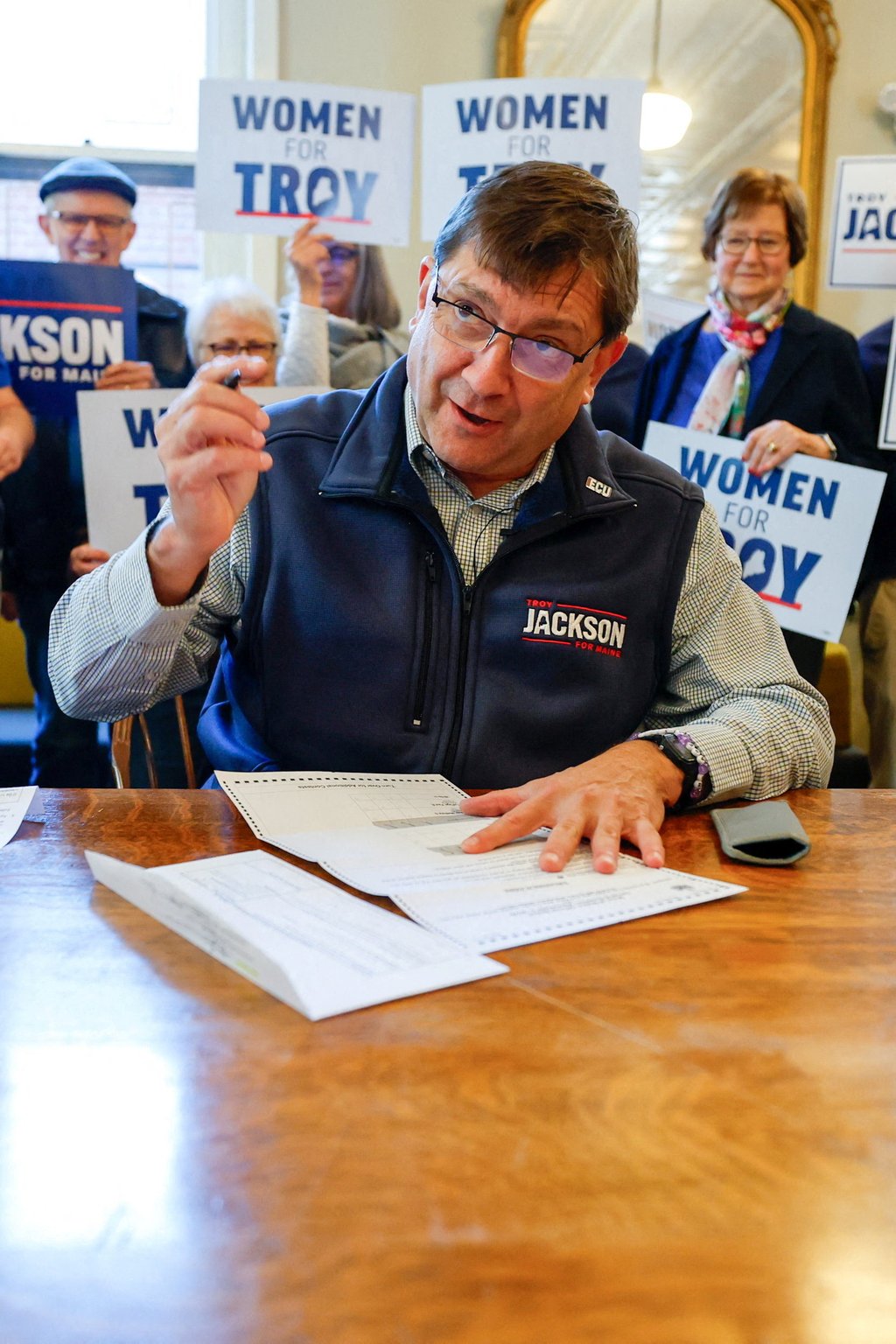
Democratic Senate candidate Troy Jackson has repeatedly used Trump’s tariffs to attack Collins.
Collins has sought to distance herself from the president, saying in a recent debate that she is “not exactly his favourite senator”.
The Republican senator has also taken credit for pushing back on his tariff agenda, including by obtaining the road-salt exemption. That prompted her opponent Jackson to retort in a widely shared moment that Maine voters “can’t eat road salt”.
KioskNews shows a cleaned-up reading view extracted from the publisher’s page — the original always lives on their site, not ours.