Xi and Trump set for Apec talks, but major deliverables expected to wait for G20
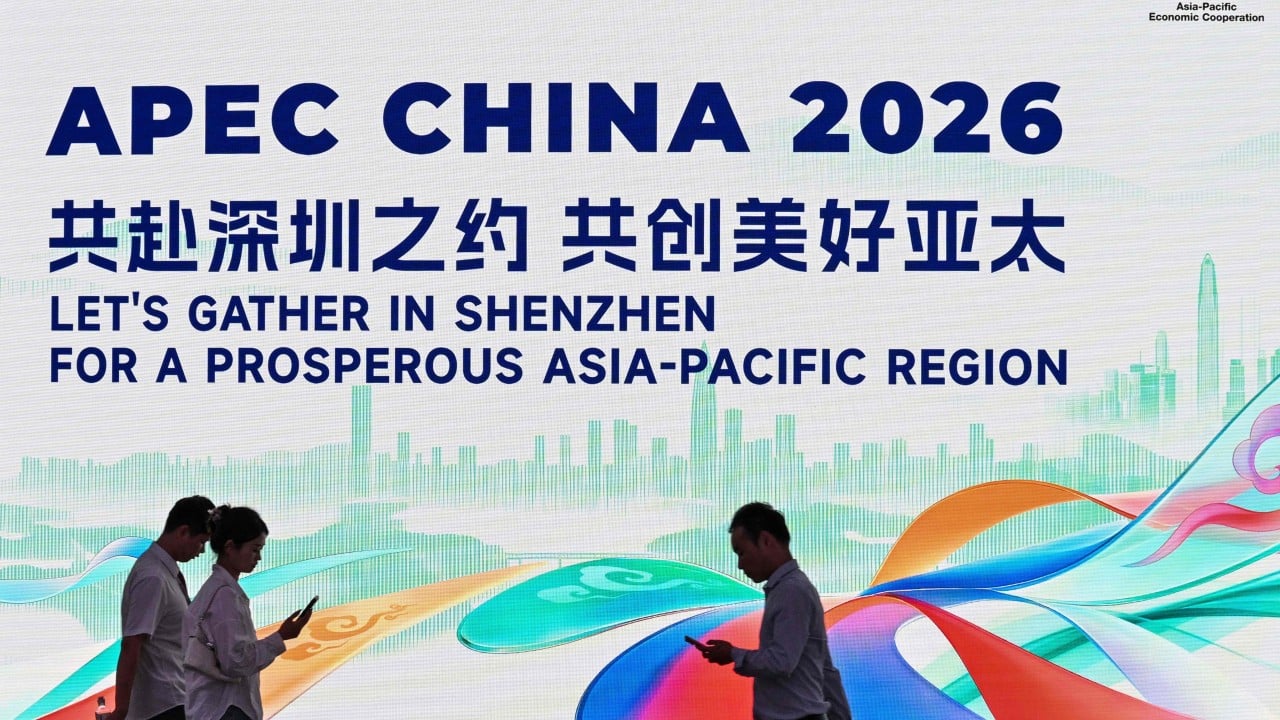
The presidents of the US and China are set to meet again at next week’s Apec summit, but observers expect few tangible bilateral deliverables to emerge from their talks.
They are also expected to meet at the Group of 20 summit in the United States in December. In each case, global markets will be watching closely to see how Washington and Beijing navigate their protracted trade disputes.
While an American analyst expects greater progress to emerge at the G20 summit, Chinese observers hold little hope for a major breakthrough on either multilateral stage.
The Trump administration has been trying to downplay expectations for next week’s talks by describing it more as a short and routine visit rather than a summit, according to Victor Cha, president of the geopolitics and foreign policy department at the Washington-based Centre for Strategic and International Studies.
“The more substantive meeting, I’m told, is the one that will take place three weeks later in Miami, where President Xi will be coming to for the G20,” Cha said.
Other analysts noted that the agenda of the Asia-Pacific Economic Cooperation forum and its 21 members transcended bilateral friction.
“Apec’s primary focus hinges on members upholding multilateralism and jointly fostering regional prosperity,” said He Weiwen, a senior fellow with the Centre for China and Globalisation, a Beijing-based think tank.
“The US-China relationship is crucial, but it will not take centre stage on a multilateral stage like Apec and the G20,” said He, a former commercial counsellor at the Chinese consulates in New York and San Francisco.
He said that while the two presidents set the tone for bilateral relations, translating their push for “constructive strategic stability” into specifics was an incremental process for working-level teams.
Part of the problem is Washington’s repeated criticism of what it describes as Beijing’s incomplete implementation of past commitments.
But last week’s midterm election setback could also dilute the US administration’s immediate bandwidth for trade diplomacy, according to Chen Fengying, former director of the Institute of World Economic Studies at the China Institutes of Contemporary International Relations.
“The Trump administration will inevitably have its attention diverted towards domestic stability, including possible staff reshuffles,” Chen said, noting that with the tariff truce extended to January, both sides had breathing room to plan their next steps.
Nevertheless, Chen cautioned, Washington’s broader strategic posture was steadfast as curbing China’s rise remained a bipartisan consensus.
He, from the Centre for China and Globalisation, noted that Trump was unlikely to make any big shifts in his trade policy but he needed to avoid becoming a liability for the Republican Party in the lead-up to the 2028 presidential race.
Cha said there was widespread opposition in the US to the tariff policies.
Citing soon-to-be published CSIS polling results, Cha said that between 80 and 90 per cent of respondents expressed support for closer cooperation with international allies and partners, while 85 per cent said they closely tracked trade policy because it directly influenced consumer prices at grocery stores and petrol stations.
“The message is, at least based on what we’ve looked at, there is a consensus among independents, Democrats and Republicans for a much more globalist and centrist foreign policy and engagement by the United States in the world,” he said.
KioskNews shows a cleaned-up reading view extracted from the publisher’s page — the original always lives on their site, not ours.