The Chronicles Of Narnia Is Officially Changing Main Characters In 2027 & It's The Best Possible Decision

Simon Gallagher has worked in movie and TV journalism for more than 17 years. He has written more than 6000 articles and reviews, and edited thousands more. He is an expert in the entertainment industry, particularly in the golden age of screen superheroes. Simon is also a Rotten Tomatoes approved critic.
Alongside The Lord of the Rings and Harry Potter more recently, C.S. Lewis’s The Chronicles of Narnia is essentially a founding stone of the fantasy genre as it now exists. It’s difficult to overstate just how important to the cultural zeitgeist the stories are, even if they are often overlooked in comparison to their box office titan siblings.
For more than 70 years, the series has served as a foundational pillar of high fantasy, with incredibly rich world-building and an accessible sense of wonder, and just as much subtext as JRR Tolkien’s world. The sheer scale of its lore should make Narnia a dream playground for cinematic adaptation, but somehow, Hollywood has historically conspired to fail in completing the entire journey.
There have been several notable adaptations, but the two most important were the 1988 BBC TV adaptation, which ran from The Lion, The Witch and The Wardrobe, through to Prince Caspian and the Voyage of the Dawn Treader, and finally The Silver Chair. Almost 20 years later, Disney and Walden Media brought Narnia to the big screen for the first time, with The Lion, The Witch, and The Wardrobe and two less well-received sequels. So far, we’ve never made it past The Silver Chair, which Disney also planned before losing the movie rights, with neither The Magician’s Nephew, The Horse and His Boy, nor The Last Battle ever being made for the screen.
That has led to The Lion, The Witch and The Wardrobe being by far the most famous of the Narnia stories, to the detriment of the others. But now, with Netflix’s 2027 adaptation, and the franchise’s future plans, Greta Gerwig is changing the conversation. And she’s starting by starting somewhere we’ve never been before, with The Magician’s Nephew.
Netflix's Narnia Movie Doesn't Include The Pevensie Children

For decades, casual moviegoers have treated Peter, Susan, Edmund, and Lucy Pevensie as the very heart of Narnia. Their journey through the back of an antique wardrobe is typically what you’d imagine when the very idea of Narnia comes up. And because the Pevensie children have been central to essentially all of the adaptations so far, it isn’t hard to see why.
But, we mustn’t forget that the story of Narnia actually begins long before any Pevensie ever set foot in the magical kingdom. Gerwig’s The Magician’s Nephew won’t feature any of the Pevensies, instead focusing on an entirely different - and very much minor - character from The Lion, The Witch, and The Wardrobe, Digory Kirke (who will be played by newcomer David McKenna). As fans of the Disney Narnia movies will remember, Professor Digory Kirke is the owner of the country house that the Pevensies are sent to, when the Blitz forces them out of London.
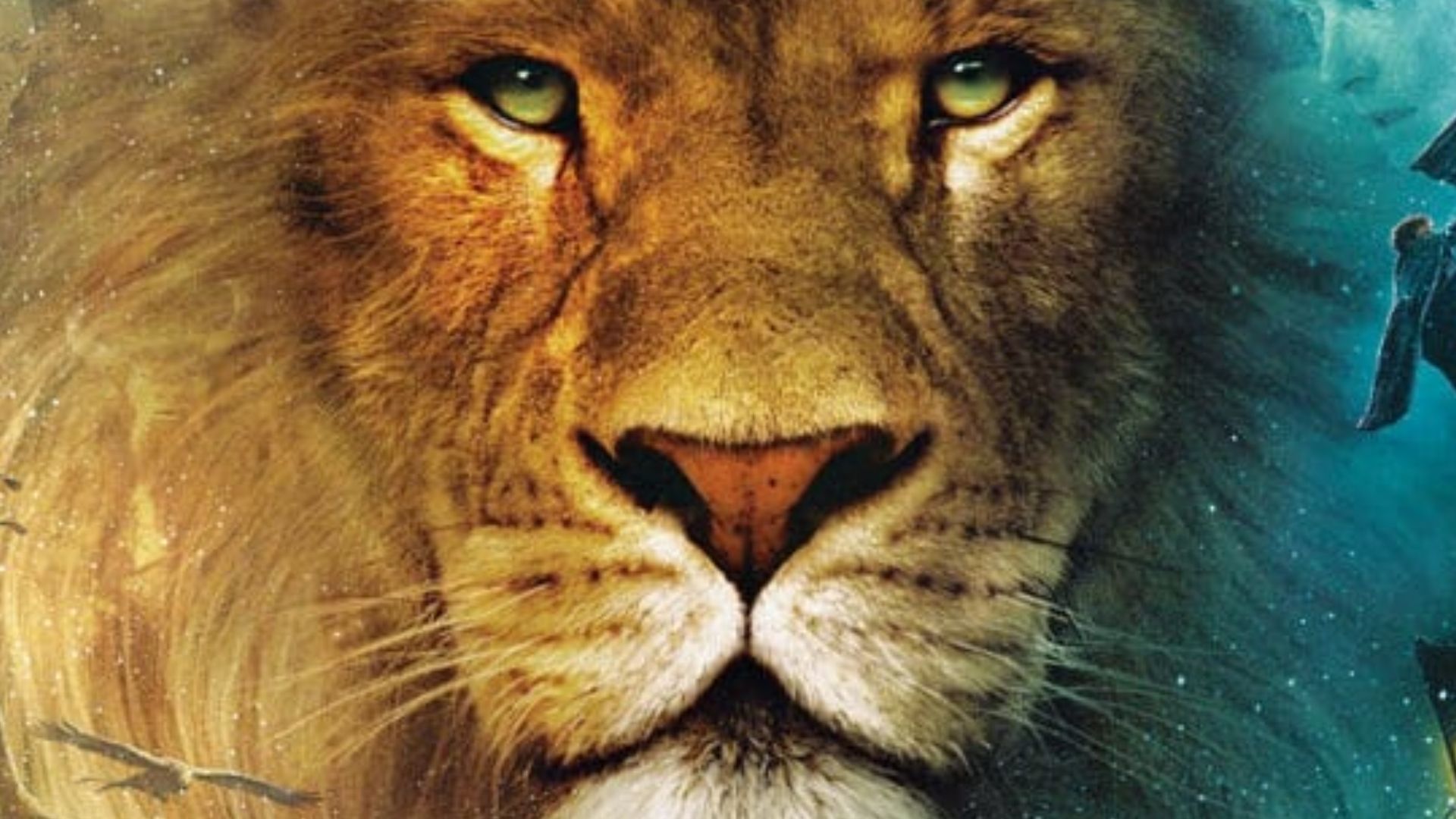
Alongside the far younger Digory will be his neighbor Polly Plummer (played by Beatrice Campbell), who accompanies him on his trip through the "Wood between the Worlds" first to Charn, and then to the formative Narnia, as the lion Aslan (Meryl Streep) creates it. It gets very biblical. Set forty years before The Lion, The Witch, and The Wardrobe, The Magician’s Nephew is Narnia’s origin story, which was originally released as the sixth novel, which is why the main characters are switching from the usual approach.
Why The Narnia Change Is Good For Greta Gerwig's Reboot

Starting a massive fantasy reboot without some of the franchise’s most famous characters might seem like a risk on paper, but in practice, it is a smart move for Netflix and Gerwig. There are issues to overcome, of course, like the fact that The Magician’s Nephew always read younger than the first novel - much like The Hobbit and The Lord of the Rings feel aimed at very different audiences - but some creative liberties should solve that issue. And it needs to happen, because capturing both the family quadrant and the slightly older audience segments is where the real money is.
The Lion, the Witch and the Wardrobe is obviously an iconic story, but it also comes with considerable baggage. It’s all positive baggage, because the last three adaptations (including the animated one directed by Peanuts director Bill Melendez) have all been very well-received. Adapting it again would immediately invite direct comparisons, and that is, as the saying goes, the thief of joy. Consider the ludicrous “outrage” about Streep - one of the greatest actors of all time - playing Aslan, and you get some idea of why that’s an issue to avoid.
By opening with The Magician’s Nephew, Gerwig can completely sidestep the comparison minefield. She will have the creative space to establish her own Narnia, complete with its own visual identity (which we’ve already seen something of from The Magician’s Nephew’s first look images), and nobody needs to worry about recasting the Pevensies. At least not quite yet.
Following the correct chronological order of the books rather than Narnia's original publishing order also completely changes how this universe grows. The Aslan/Christian God allegory removed absolutely all room for interpretation when he’s outright shown creating Narnia, and then basically sets up a loaded Garden of Eden storyline, and we get a far greater understanding of this universe’s rich lore. By the time Gerwig gets to The Lion, The Witch, and The Wardrobe, it will be like being welcomed home.
Narnia: The Magician’s Nephew releases worldwide in theaters on February 10, 2027, before coming to Netflix on April 2.
KioskNews shows a cleaned-up reading view extracted from the publisher’s page — the original always lives on their site, not ours.