How to drop a pin on Google Maps
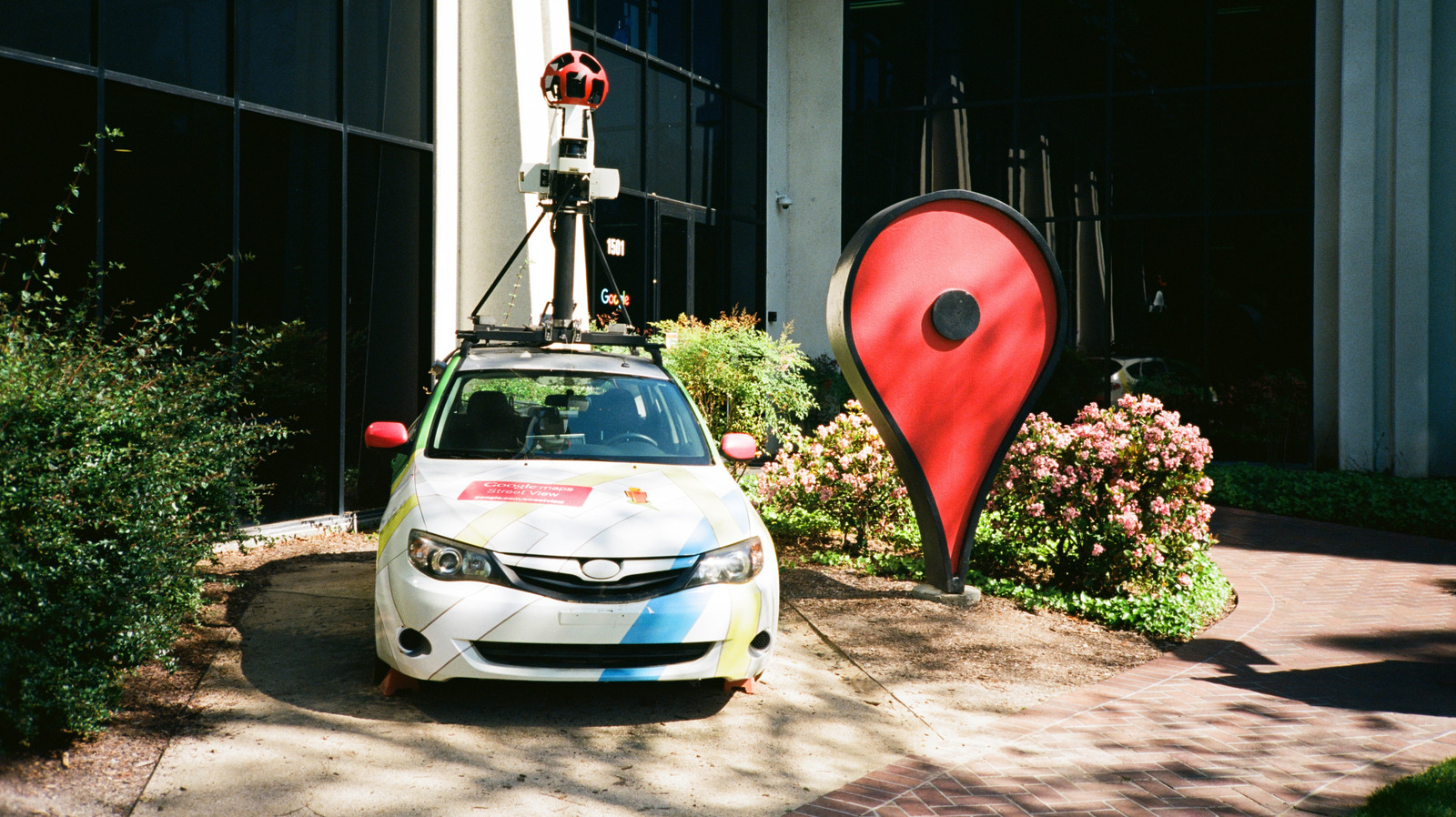
Google Maps has most of the world mapped out, but you can mark anywhere that isn't yet.
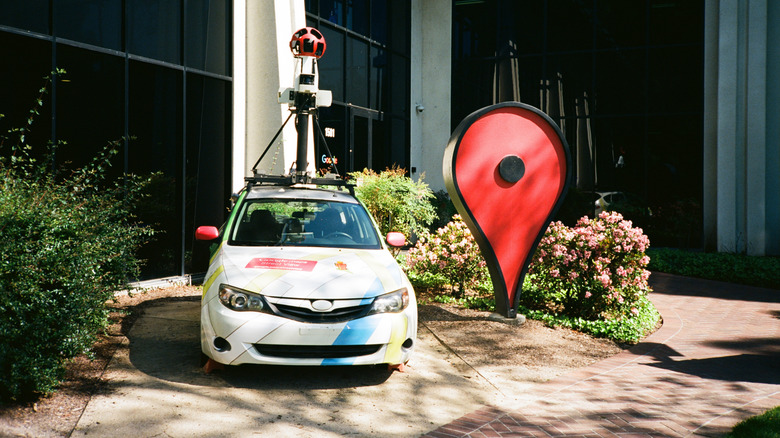
Smith Collection/gado/Getty Images
Since Google Maps first came online in 2005, the little red pin has been its defining symbol, and it's one you can take control of yourself. Even if where you are isn't a specific business or address, you can easily drop a pin within the app to save a location. Whether you're trying to meet up with friends in the park, mark a scenic viewpoint for future visit or remember where you left your bike, dropping a Google Maps pin can be incredibly useful.
Over its lifetime, Google Maps has debuted a lot of advanced features, from 3D mapping to telling you how busy a business is. Sometimes, though, the simplest feature is the most useful: telling you how to get from point A to point B. If your point A or B isn't officially on the map, putting it there yourself is easy.
To drop a pin on mobile:
-
Open the Google Maps app.
-
Find the location you wish to pin, then press and hold on the spot.
-
If desired, add a label by scrolling across the options next to Directions and hitting Add label. This lets you set a custom name for the place instead of using its GPS coordinates, and adds it to the Labeled section of the Saved tab.
-
To save the pin for yourself, tap Save in the same list. Choose a list and add a note about the spot if needed.
-
To share the location with others, scroll through the list and tap Share, then choose your sharing method.
On a computer, there's an extra quick step, but it's still easy to access and share the exact coordinates that come along with a pin:
-
Go to the Google Maps website.
-
Click the area that you wish you share. A gray dot will appear on the map, and you'll see the GPS coordinates appear in a small box at the bottom of the screen.
-
Click those GPS coordinates to open the standard Google Maps info panel for that spot. From there, use the same steps as above to Save, Add a label or Share the place.
-
As an alternative, you can right-click any spot on the map to show a list of options. Click the GPS coordinates to copy them or click Share this location to do so faster. Directions from here and Directions to here can also be useful if you don't need to save the pin.
Other useful Google Maps location features
Matthew Nichols1/Shutterstock
In lieu of sharing a pin to direct people to a location, you can also live-share your own location for a set time with the following steps:
-
Open the Google Maps app.
-
Tap your profile picture in the upper-right corner and select Location sharing.
-
Select Share location (or New share), then choose the amount of time you want to share your location for. Alternatively, choose Until you turn this off to do so indefinitely.
-
Finally, select a contact's Google account to share directly to their Maps app, or select More options to send via another method.
For an even more customized experience, you can also create an entire map by using Google's My Maps feature. With this, you can add multiple layers for different location types (like parks, restaurants and tourist attractions). It's great for having an entire vacation itinerary all in one place, or keeping a detailed map of business clients for quick navigation.
Each custom map can have up to 10,000 lines, shapes, or places, meaning in addition to precise addresses, you can denote custom areas as well. These can only be created on desktop, but are viewable in the mobile app.
KioskNews shows a cleaned-up reading view extracted from the publisher’s page — the original always lives on their site, not ours.