South Cotabato co-op warns of possible higher rates due to El Niño
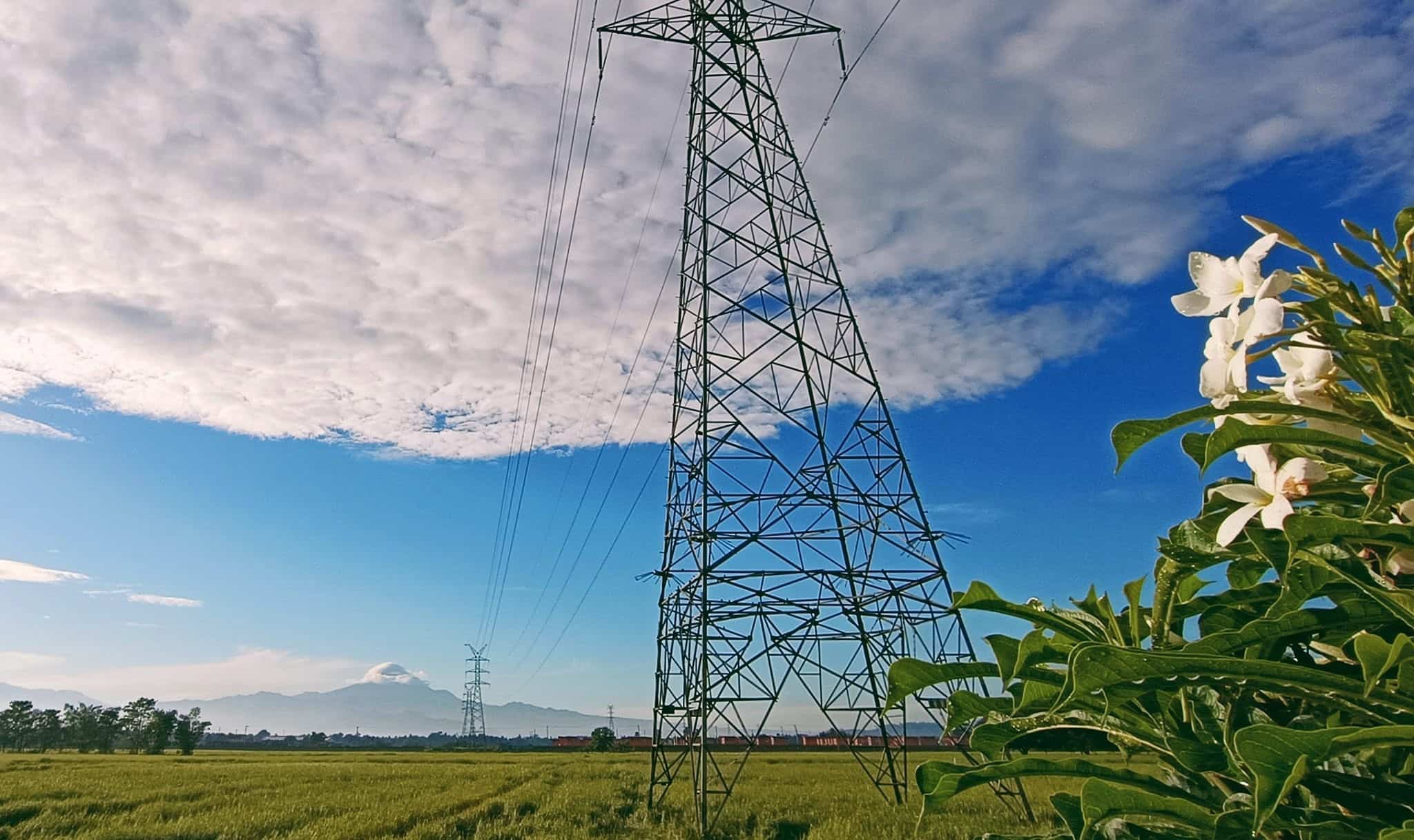

KORONADAL CITY, SOUTH COTABATO, Philippines — An electric cooperative in Mindanao has warned consumers of higher power rates possibly due to the El Niño phenomenon, which could further strain power supplies now in precarious levels brought by the shutdown of some major power plants in the island.
Raffee Edsel Epistola, South Cotabato I Electric Cooperative (SOCOTECO-I) general manager, said the cooperative was closely monitoring the possible effects of El Niño, as the phenomenon could further put pressure on available supply, leading to higher electricity rates.
The warning came as the cooperative increased the electricity rates for the September 2026 billing, which consumers will have to pay this month.
Article continues after this advertisement
READ: South Cotabato co-op asks for power conservation amid short supply
FEATURED STORIES
NEWSINFO
NEWSINFO
NEWSINFO
Residential consumers of SOCOTECO-1, which serves South Cotabato and Lutayan in Sultan Kudarat, will pay P1.15 more per kilowatt-hour (kWh) or P14.36 kWh in their September billing, from P13.21 per kWh in August.
For a household consuming 200 kWh, the increase means about P230 more in its electricity bill.
Ariel Cabinbin,SOCOTECO-I Finance Services Department manager, said the increase was driven largely by the generation charge, which climbed by P1.03 per kWh, from P6.90 to P7.93.
55 percent
Generation accounts for about 55 percent of the total electricity rate and covers power purchased from contracted suppliers and the Wholesale Electricity Spot Market (WESM).
Article continues after this advertisement
Cabinbin noted that generation charges are passed on to consumers and do not form part of SOCOTECO-I’s income.
Epistola said outages and reduced output from some contracted power plants in August forced the cooperative to buy more electricity from WESM to cover the shortfall.
Article continues after this advertisement
According to the National Grid Corporation of the Philippines (NGCP), outages at GNPower Kauswagan (GNPK) in Lanao del Norte involved scheduled maintenance and a boiler tube leak, while Sarangani Energy Corporation (SEC) in Maasim, Sarangani, reportedly experienced an extended outage following earthquake-related damage to one of its generating units.
These disruptions contributed to tighter power supply in Mindanao in August, NGCP noted.
SOCOTECO-I’s WESM purchases surged from 0.18 million kWh in July to 1.59 million kWh in August, increasing the spot market’s share of its power supply from 0.5 percent to 3.9 percent.
The average WESM price in Mindanao also jumped by 88 percent, from P10.39 per kWh in July to P19.56 in August.
The Mindanao grid recorded 89 hours of red and yellow alerts during the month. At one point, demand reached 2,616 megawatts against an available supply of 2,602 MW, leaving a 14-MW shortfall and no reserve, data from NGCP, the country’s lone private electricity grid operator, showed.
SOCOTECO-I also cited higher fuel costs and inflation as factors behind the increase in generation charges.
Epistola warned of the possible effects of El Niño, particularly as hotter conditions could drive up electricity demand and put further pressure on available supply.
A fourth of Mindanao’s power supply comes from the Agus and Pulangi hydropower plants in Northern Mindanao, which are operated by the state-owned National Power Corp. (Napocor).
The six Agus hydropower plants are fed by water from Lake Lanao in Lanao del Sur, while the Pulangi River feeds the Pulangi hydropower plant in Maramag, Bukidnon.
Minimum level of 698.15m
Lake Lanao needs to have a minimum level of 698.15 meters to enable NPC’s plants to run.
But if water drops below this level, all plants will have to be shut down, Larry Sabellina, Napocor vice president for Mindanao Generation, earlier said.
As for Pulangi, a water level below 280 meters would shut down the plant, he added.
The Philippine Atmospheric, Geophysical and Astronomical Services Administration (PAGASA) has warned that a “super” El Niño is now being felt.
“A strong to very strong El Niño is present in the Tropical Pacific. Forecasts predict that El Niño will continue until the first half of 2027 and may reach its peak before the end of 2026,” PAGASA said in its El Niño Advisory No. 5 issued on Wednesday, Oct. 7.
Fears have been raised that a super El Niño episode could significantly reduce rainfall and trigger severe droughts, among others.
Sabellina said that Napocor had activated its protocols for El Nińo to mitigate the possible severe impact on its hydropower plants, which have a combined capacity of 982 megawatts.
Your subscription could not be saved. Please try again.
Your subscription has been successful.
Epistola called on SOCOTECO-1 consumers to use electricity wisely to manage their monthly bills, particularly amid concerns over the possible effects of El Niño on both power consumption and supply. —With reports from Richel V. Umel and Bong S. Sarmiento
KioskNews shows a cleaned-up reading view extracted from the publisher’s page — the original always lives on their site, not ours.