Will Russia’s plan for overland oil route be ‘game changer’ for India’s energy security?
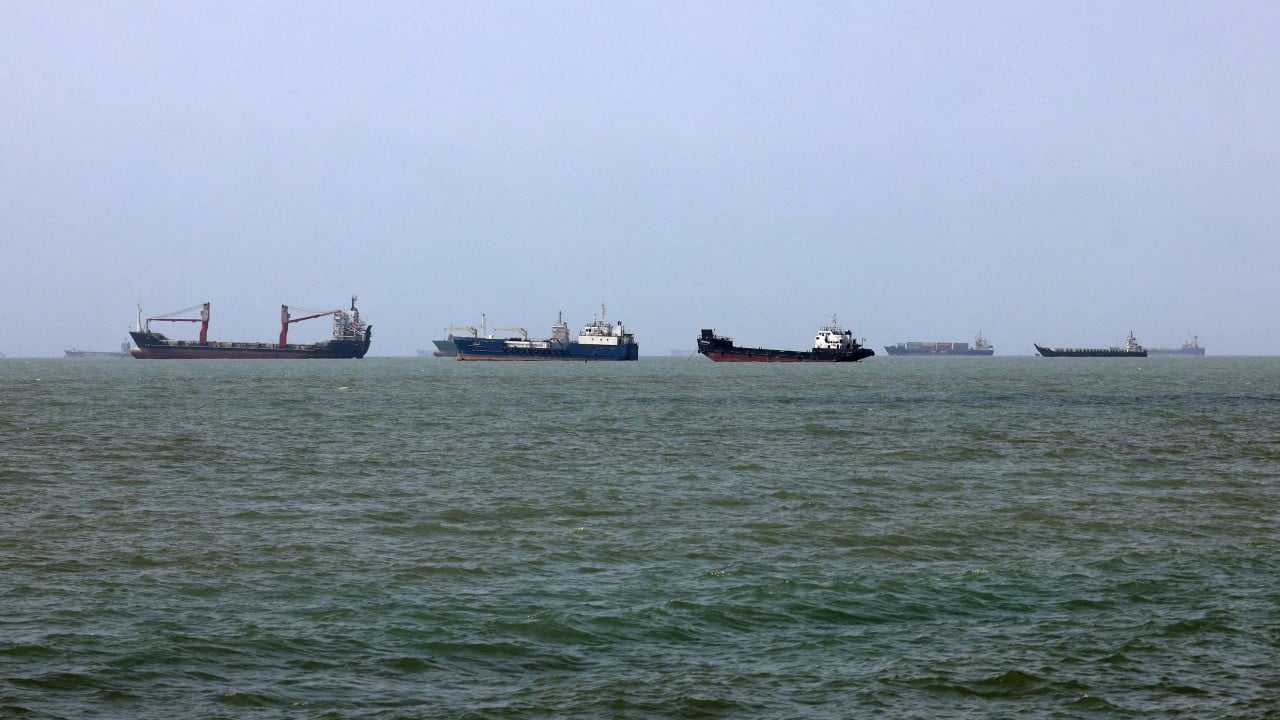
Russia is looking into a solution for a problem that has become hard for India to ignore: how to keep oil and other strategic goods moving when sanctions, war and maritime chokepoints threaten the world’s busiest energy routes.
Moscow’s proposal for a direct rail link to India through Central and South Asia remains exploratory, but analysts say it points to a wider scramble by major powers to build trade corridors beyond the reach of the Strait of Hormuz, the Bosphorus and Western pressure.
The idea was floated by Russian Deputy Prime Minister Marat Khusnullin in comments published by state news agency Tass on August 6, as he discussed the need to expand Russia’s transport options and secure long-term financing for infrastructure construction.
Khusnullin said a railway route to the Indian Ocean “should also be explored”, warning that risks around the Bosphorus and Hormuz could require alternatives through Turkmenistan, Iran, Afghanistan and Pakistan.
“Any options providing access to India are acceptable,” he said.
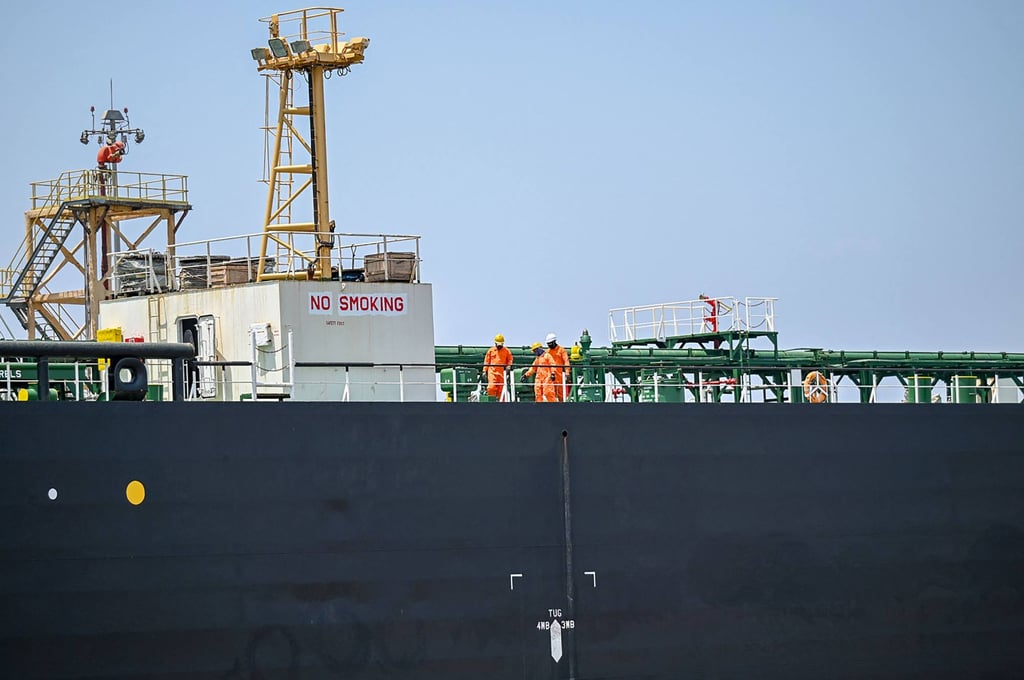
For India, which imports close to 90 per cent of its crude oil and has become one of the biggest buyers of Russian barrels since Moscow’s invasion of Ukraine, the proposal is less an immediate fix than a sign of how energy security is being redrawn by conflict.
KioskNews shows a cleaned-up reading view extracted from the publisher’s page — the original always lives on their site, not ours.