On this day: Prime minister Yitzhak Rabin assassinated after peace rally by far-right activist
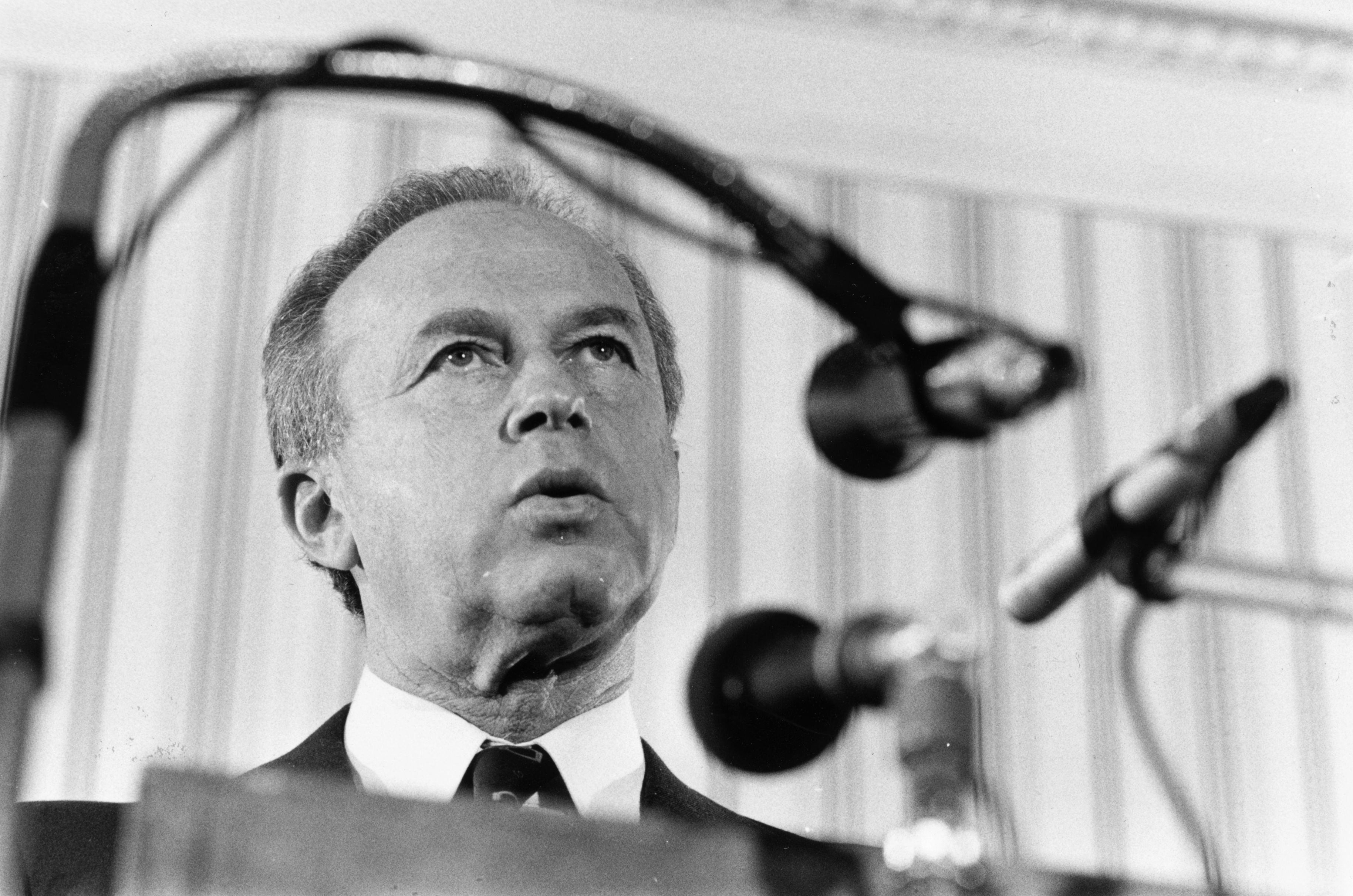
On November 4, 1995, 31 years ago, former prime minister Yitzhak Rabin was assassinated by far-right Jewish activist Yigal Amir during a massive peace rally in Tel Aviv’s Kings of Israel Square, now known as Rabin Square.
Rabin had agreed to cede some of the territory won in the 1967 Six-Day War to the Palestinian Liberation Organization (PLO) in exchange for peace during the negotiations of the Oslo Accords.
The accords, a set of agreements between Israel and the PLO, were meant to negotiate a two-state solution with the ultimate goal of resolving the Israeli-Palestinian Conflict by May 1999.
The peace rally, held just outside of Tel Aviv’s city hall, was attended by other Israeli officials, including Rabin’s political rival, Shimon Peres. More than 100,000 spectators attended the event.
Expected at a post-ceremony reception, Rabin prepared to leave the stage following the singing of the "Song of Peace" (Shir LaShalom), surrounded by agents of the Shin Bet (Israeli Security Agency).

Rabin shot in the back after peace rally
As he was walking off, the agent walking behind Rabin fell back for unknown reasons, and shots rang out.
The agents pushed the then-prime minister into his armored car. When an agent asked him if he had been hurt, he responded that he had pain in his back. Those were his final words before falling unconscious.
He had been shot twice, once in his aorta and once in his spleen, the latter lodged in his spine.
Rabin was rushed to Ichilov Hospital in Tel Aviv, where he underwent emergency surgery. His death was announced on television at 11 p.m. that night.
Amir, along with his brother and a close friend, had previously planned three attacks on Rabin, all of which had failed.
Amir was sentenced to life imprisonment plus six years. The sentence was later increased to life plus fourteen years on counts of conspiracy and murder.
Rabin, an avid promoter of peace
Rabin was Israel’s fifth prime minister. He served two terms in office, from 1974 until 1977, and again from 1992 until his assassination on November 4, 1995.
He was an avid promoter of peace, having collected various noteworthy achievements throughout his military and political career.
Rabin received an honorary doctorate from the Hebrew University of Jerusalem in recognition of his leadership during the Six-Day War as a lieutenant general, and he helped the IDF recover from the devastating 1973 Yom Kippur War.
Additionally, he ordered the heroic hostage rescue mission in Entebbe, known as Operation Yonatan, during his first term as prime minister.
Rabin received the Nobel Peace Prize nearly a year before his assassination, on December 10, 1994.
KioskNews shows a cleaned-up reading view extracted from the publisher’s page — the original always lives on their site, not ours.