AI chip surge lifts South Korea to record surplus, behind only China

South Korea earned US$116.63 billion more from the world than it spent in the second quarter of this year – exceeding the combined current account surpluses of Germany and Japan for the first time on record.
The current account measures a country’s trade and income with the world. It counts goods and services sold abroad, money earned on overseas investments and payments flowing the other way. A surplus means more foreign currency is coming in than going out.
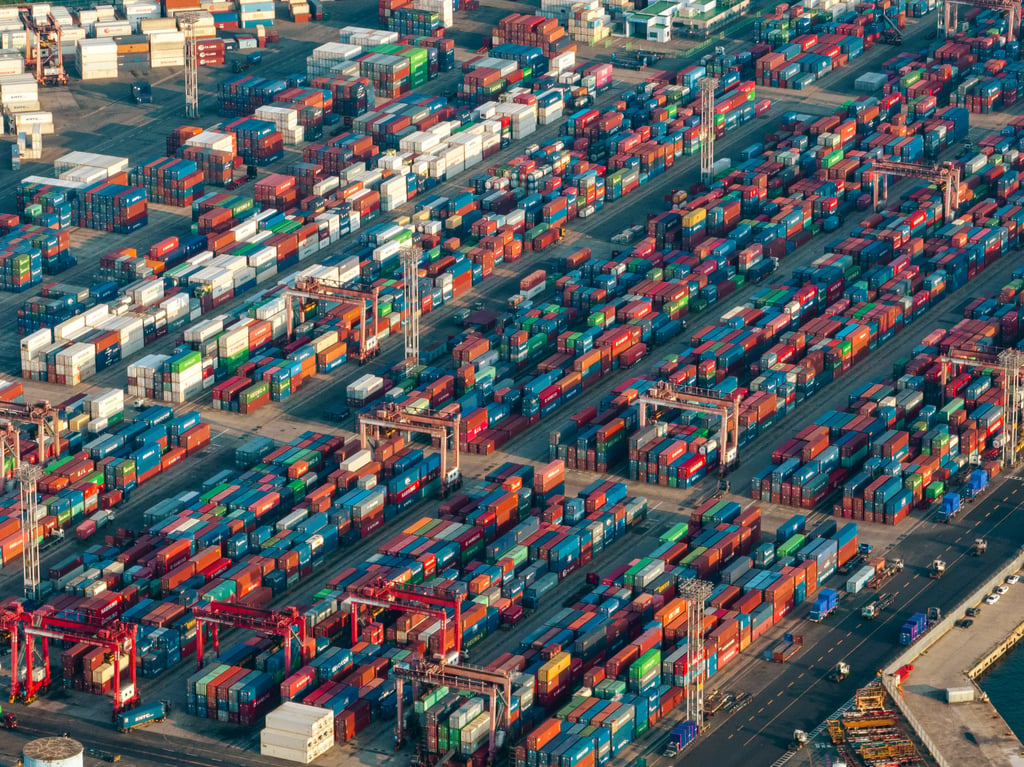
Surging demand for semiconductors helped propel South Korea’s second-quarter surplus, with chip exports reaching US$113.89 billion in the three months to June, according to government figures – up 181.6 per cent from the same period last year.
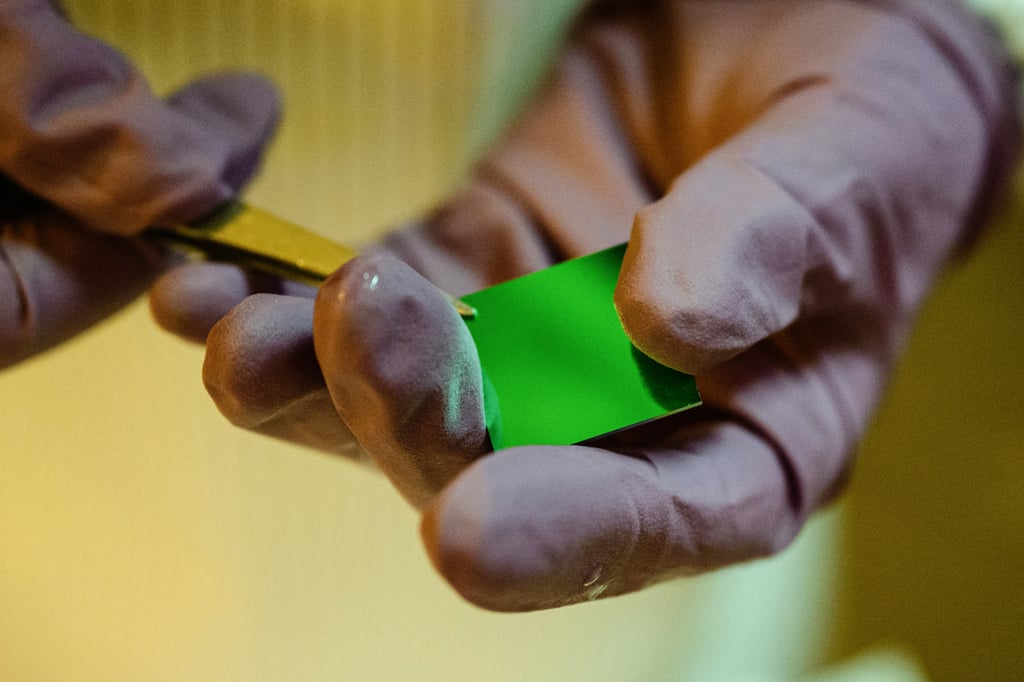
Prices for memory chips have jumped in recent months amid the global artificial intelligence boom. In June, US manufacturer Micron Technology reported that its prices had risen by as much as 80 per cent quarter on quarter.
South Korea’s second-quarter surplus was second only to China’s US$193.72 billion among the 36 major economies tracked by the International Monetary Fund, according to data compiled by the Bank of Korea and released on Saturday.
Germany recorded a surplus of US$52.28 billion and Japan US$50.62 billion, giving a combined total of US$102.9 billion, or US$13.73 billion less than South Korea.
It marked the first time South Korea had surpassed the combined current account surplus of both industrial giants since comparable data became available in 1996.
South Korean President Lee Jae Myung welcomed the news in a social media post on Sunday, saying “a great wave of opportunity is rising for our economy”, in a nod to a phrase popularised by late US president John F. Kennedy: “a rising tide lifts all boats”.
Lee credited manufacturers, especially chipmakers, for the achievement and called for the gains to reach beyond corporate profits into jobs, income, investments and citizens’ quality of life.
“South Korea is now moving beyond the role of a nation following in the footsteps of developed countries,” he wrote in Korean. “It is emerging as a leading nation that shapes the currents of the global economy.”
A transient boom?
Because South Korea’s surging current account surplus is mostly being driven by soaring chip prices, economists like Hur Jung of Sogang University have warned that it will “last only a few years at best”.
Kim Sung-hyun, a professor in the economics department at Sungkyunkwan University, agreed with Hur’s assessment.
“Semiconductor prices are likely to fall sharply in two to three years, as overseas competitors, including Chinese rivals, are going all out to expand semiconductor chip production,” Kim said.
The record earnings being reported by the South Korea’s chipmakers, defence industry and selected food companies had yet to spread to other areas of the economy, he added.
Semiconductor prices are likely to fall sharply in two to three years
Meanwhile, the inflow of foreign currency has also pushed the won up against the US dollar, making South Korean exports costlier abroad.
Hur said this would “put the won under mounting pressure to appreciate, dealing a blow to an economy greatly relying on exports”.
Such a large surplus was also “likely to expose Seoul to the crosshairs of Washington”, which could use it to pressure South Korea to invest more in the United States, he said.
The US and China are currently working flat out to secure their own memory supplies via domestic manufacturers such as Micron and ChangXin Memory Technologies (CXMT).
Kim Kwang-suk, head of economic research at the Korea Economic and Industrial Research Institute, said this was “raising concerns that South Korean companies could lose ground in the battle for market share”.
Countermeasures would be needed, Kim added, particularly against changes that could cut chip exports to China.
02:42
Nvidia CEO Jensen Huang meets with Samsung, Hyundai chiefs over beer and fried chicken
Yang Jun-sok, an economics professor at the Catholic University of Korea, warned that an early end to the global AI boom could deliver a severe shock to South Korea’s economy.
“This year and next, when substantial amounts of money are flowing in, are the right time to carry out long-delayed restructuring, including the clean-up of marginal businesses,” he said.
The IMF’s October World Economic Outlook projected a full-year current account surplus of US$421.95 billion for South Korea in 2026, behind only China’s expected US$863.2 billion and the world’s largest increase this year.
South Korea’s surplus is especially striking given the size of its economy, which currently ranks 12th in the world. Its surplus is projected to reach 18.8 per cent of gross domestic product this year – the highest of any country since the IMF began tracking such data in 1980 – against Japan’s 4.6 per cent and Germany’s 4.5 per cent.
The IMF forecasts South Korea’s GDP will exceed US$2.2 trillion this year, compared with about US$5.5 trillion for Germany and US$4.3 trillion for Japan.
KioskNews shows a cleaned-up reading view extracted from the publisher’s page — the original always lives on their site, not ours.