10 Books That Influenced Stranger Things

Nicholas Becher is a gaming journalist with an MFA in Creative Writing from FAU. With extensive experience playing video games, he covers all forms of gaming content at Screen Rant, from breaking news to the latest fan theories. Most-played games range from Clair Obscur to Civ to Elden Ring to Halo 2 and beyond.
While Stranger Things may have officially ended with its final season earlier this year, the Netflix series will go down as one of the most popular sci-fi horror shows ever created. Its unique premise and loveable characters found a special place in viewers' hearts, and delivered an unforgettable journey packed with paranormal weirdness, terrifying monstrosities, heartbreaking losses, 80s nostalgia, and beautiful coming-of-age lessons about love and friendship.
The Duffer brothers' vision came to life over the course of five undeniable seasons, but the concepts that led to Stranger Things didn't appear out of thin air. In fact, many of the ideas, themes, and styles we see in Stranger Things were influenced and inspired by various other pieces of media, including films, television shows, games, and perhaps most importantly, books.
The following texts have been verified to have in some way inspired the Duffers' creation of Stranger Things, whether that be in terms of story, design, characters, themes, style, etc., and while some of these titles are obvious, others might come as a complete surprise.
10 It — Stephen King, 1986

Stephen King had a huge impact on the Duffers when it comes to the horror influence and character development in Stranger Things. While the Duffers have cited several of King's novels as inspiration, both It and The Body played a major role in establishing the tone and dynamic for the Goonies-style group of kids approach (alongside The Goonies film itself, obviously).
Both stories center on tight-knit groups of young friends confronting frightening situations well beyond their years, balancing childhood camaraderie with increasingly dark subject matter. That combination became essential to Stranger Things, particularly in its earliest seasons, where friendship remains the emotional foundation beneath the supernatural horror elements that started to become more prominent later on.
9 Carrie — Stephen King, 1974

While It and The Body may have influenced the group dynamics in Stranger Things, Stephen King's Carrie and Firestarter directly inspired the Duffers' main protagonist, Eleven. Both novels center on young girls with extraordinary abilities whose powers are shaped by trauma, isolation, and adults attempting to control them.
Charlie McGee's government experimentation in Firestarter is an especially clear parallel to Eleven's upbringing inside Hawkins Lab, while Carrie White's volatile telekinetic abilities helped inform the more frightening side of Eleven's powers. Together, the two novels provided a foundation for making Eleven both immensely powerful and deeply vulnerable.
8 A Wrinkle In Time — Madeleine L'Engle, 1962
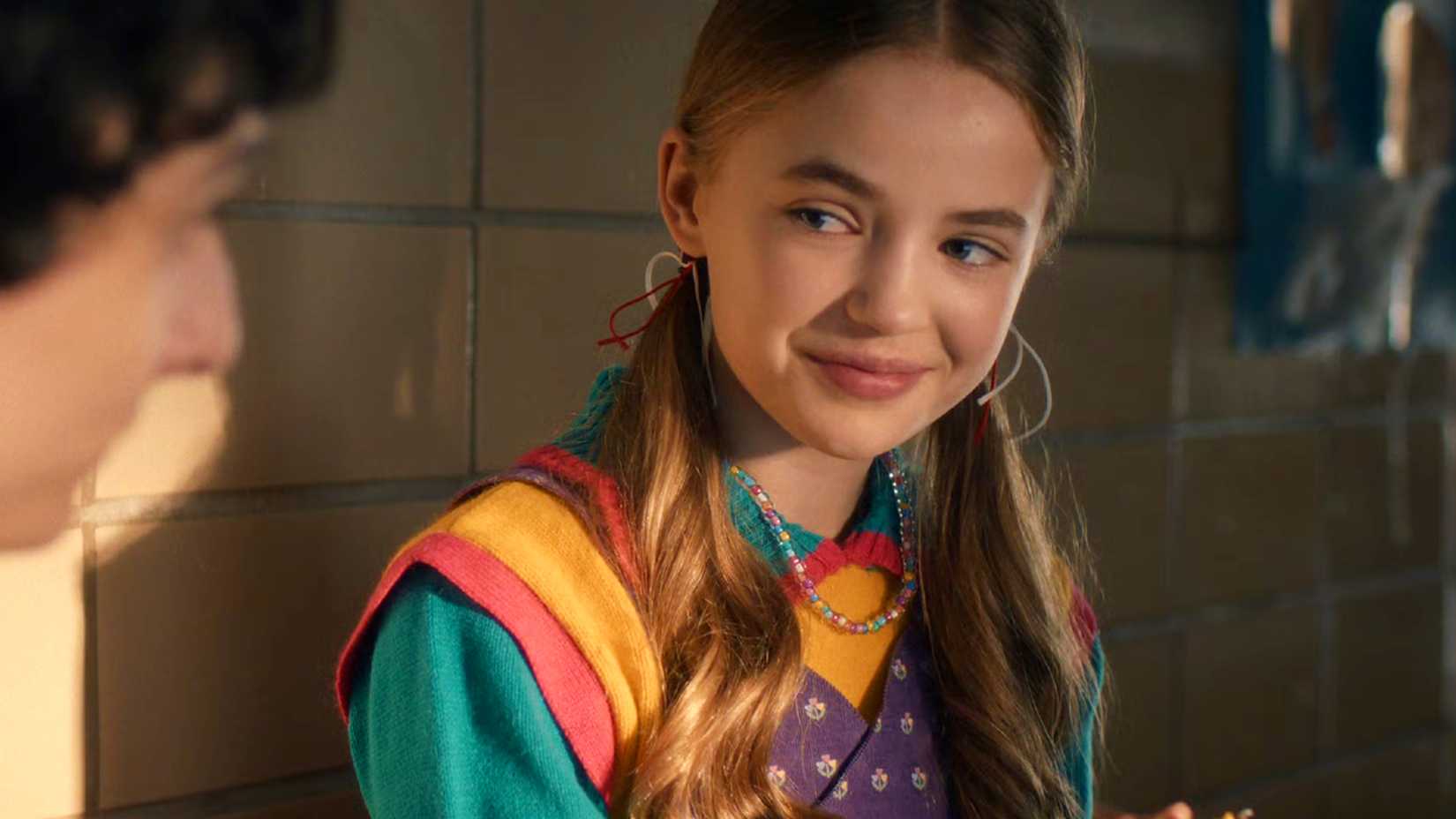
Madeleine L'Engle's A Wrinkle in Time became a major influence on Stranger Things during its fifth and final season, where the classic science fantasy novel plays an integral role in Holly Wheeler's story. Holly uses the book as a way of understanding the increasingly bizarre supernatural events happening around her, drawing direct comparisons between its characters and the threats she encounters.
Henry assumes the identity of "Mr. Whatsit," while Holly interprets his mental prison as Camazotz and associates Vecna with IT. The connection makes A Wrinkle in Time more than a simple Easter egg, effectively turning the novel into a thematic guide for Holly's journey.
7 The Hellbound Heart — Clive Barker, 1986
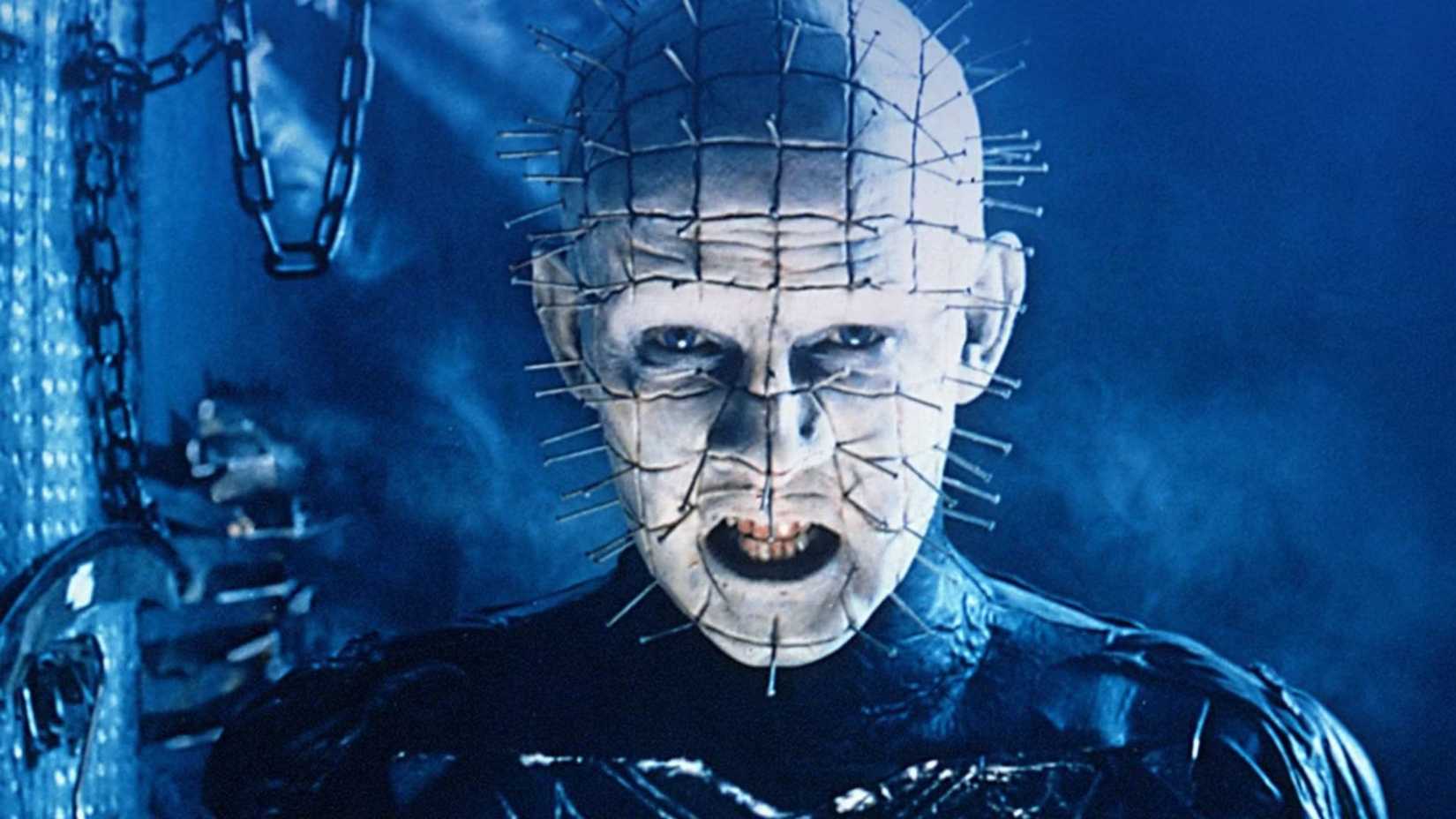
Clive Barker's The Hellbound Heart, and especially its film adaptation Hellraiser, helped shape the darker, more grotesque side of Stranger Things. The Duffers have specifically cited Barker when discussing their approach to horror, emphasizing their desire to make the Upside Down feel bizarre, unknowable, and beyond ordinary human comprehension.
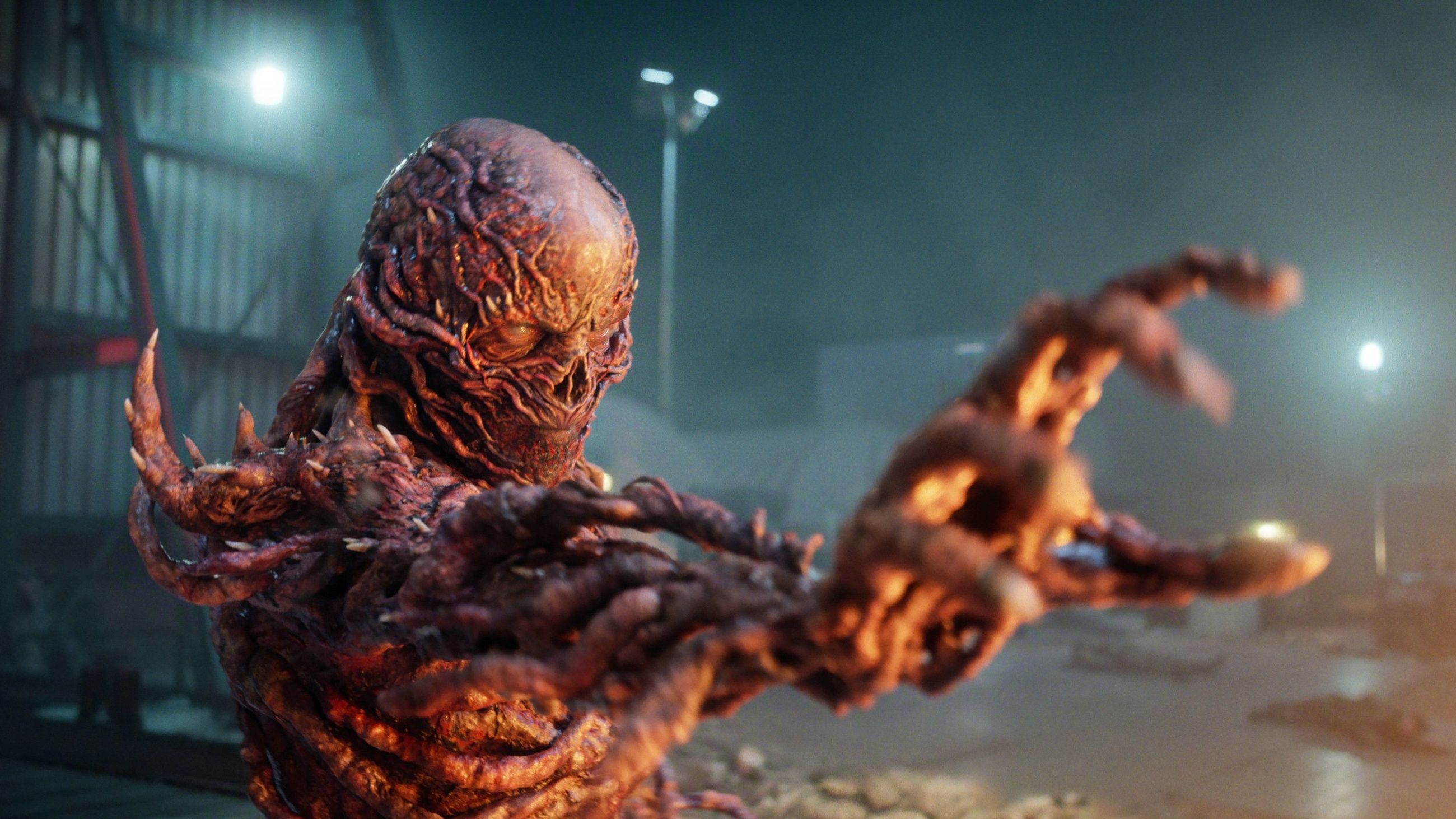
Barker's influence became especially apparent in Season 4, when the Duffers pointed to Hellraiser and Pinhead as inspirations while developing Vecna. Like Barker's Cenobites, Vecna combines a disturbingly human appearance with supernatural body horror, helping push Stranger Things into a more mature and terrifying realm that made the stakes feel very real when juxtaposed with the group of somewhat naive and innocent children taking him on.
6 The Hobbit & Lord Of The Rings — J.R.R. Tolkien, 1937

J.R.R. Tolkien's The Hobbit and The Lord of the Rings were formative fantasy influences on the Duffers likely long before Stranger Things was even a thought in their minds. Their love of Tolkien helped shape the show's broader adventure sensibility, particularly the idea of ordinary young characters being pulled into a dangerous world far larger than themselves.
That influence also fits naturally with the way Mike, Dustin, Lucas, and Will interpret the supernatural through fantasy terminology, using familiar concepts to make sense of the Upside Down and its creatures. While Tolkien's influence is less direct than Stephen King's or Clive Barker's, it helped establish the sense of wonder and adventure beneath the show's horror aspects.
5 The Chronicles Of Narnia — C.S. Lewis, 1950

C.S. Lewis' The Chronicles of Narnia became particularly important to Stranger Things during its final season, helping the writers conceptualize the end of Eleven's story and the group's transition out of childhood. In the Season 5 writers room, writer Paul Dichter compared Eleven's departure to closing "the door to Narnia," with Matt Duffer similarly explaining that Eleven represents the magical, fantastical side of childhood that the characters ultimately have to leave behind.
Like Lewis' children eventually growing beyond their adventures in Narnia, Stranger Things uses that idea to frame its ending as the bittersweet conclusion of an extraordinary childhood.
4 Necronomicon: The Best Weird Tales of H.P. Lovecraft — H.P. Lovecraft, 2008

H.P. Lovecraft's collected works, gathered in editions such as Necronomicon: The Best Weird Tales of H.P. Lovecraft, offer another clear window into the horror influences behind Stranger Things. While the Duffers have not singled out the Necronomicon itself as a specific inspiration, they have repeatedly cited Lovecraft's larger body of work when discussing the series' supernatural elements.
Lovecraft's fascination with unknowable entities, alien dimensions, and forces far beyond human comprehension can be felt throughout the Upside Down and its twisted creatures. That Lovecraftian approach helped the Duffers create horror that feels deliberately mysterious, with many of Stranger Things' most frightening monsters being nearly impossible to explain by any normal logic.
3 Goosebumps — R.L. Stine, 1992

R.L. Stine's Goosebumps series is most directly connected to Stranger Things through the animated spin-off Stranger Things: Tales From ’85. While the original live-action series draws more heavily from 1980s horror, fantasy, and science fiction, the creative team behind Tales From ’85 has cited the look and feel of classic young-adult horror books like Goosebumps as a visual influence.
That connection makes sense for a spin-off centered on younger characters confronting the bizarre and supernatural, with Goosebumps’ colorful covers, creepy creatures, and kid-focused scares providing an ideal reference point for its animated style and tone.
2 The Montauk Project: Experiments In Time — Preston B. Nichols and Peter Moon, 1992

Preston B. Nichols and Peter Moon's The Montauk Project: Experiments in Time is closely tied to one of the earliest inspirations behind Stranger Things. Published in 1992, the book helped popularize the Montauk Project conspiracy theory, which alleged that secret government experiments involving mind control, psychic abilities, time travel, and other paranormal phenomena took place at Camp Hero in Montauk, New York.
The Duffers became fascinated with the broader legend, and Stranger Things was actually even originally developed under the title Montauk, with the story initially set there rather than Hawkins. While the Duffers have cited the conspiracy itself more directly than Nichols and Moon's specific book, the overlap with Hawkins Lab, government experimentation, psychic children, portals, and supernatural creatures makes The Montauk Project an important part of the mythology surrounding the show's origins.
1 1977 Advanced Dungeons & Dragons Monster Manual — Gary Gygax, 1977
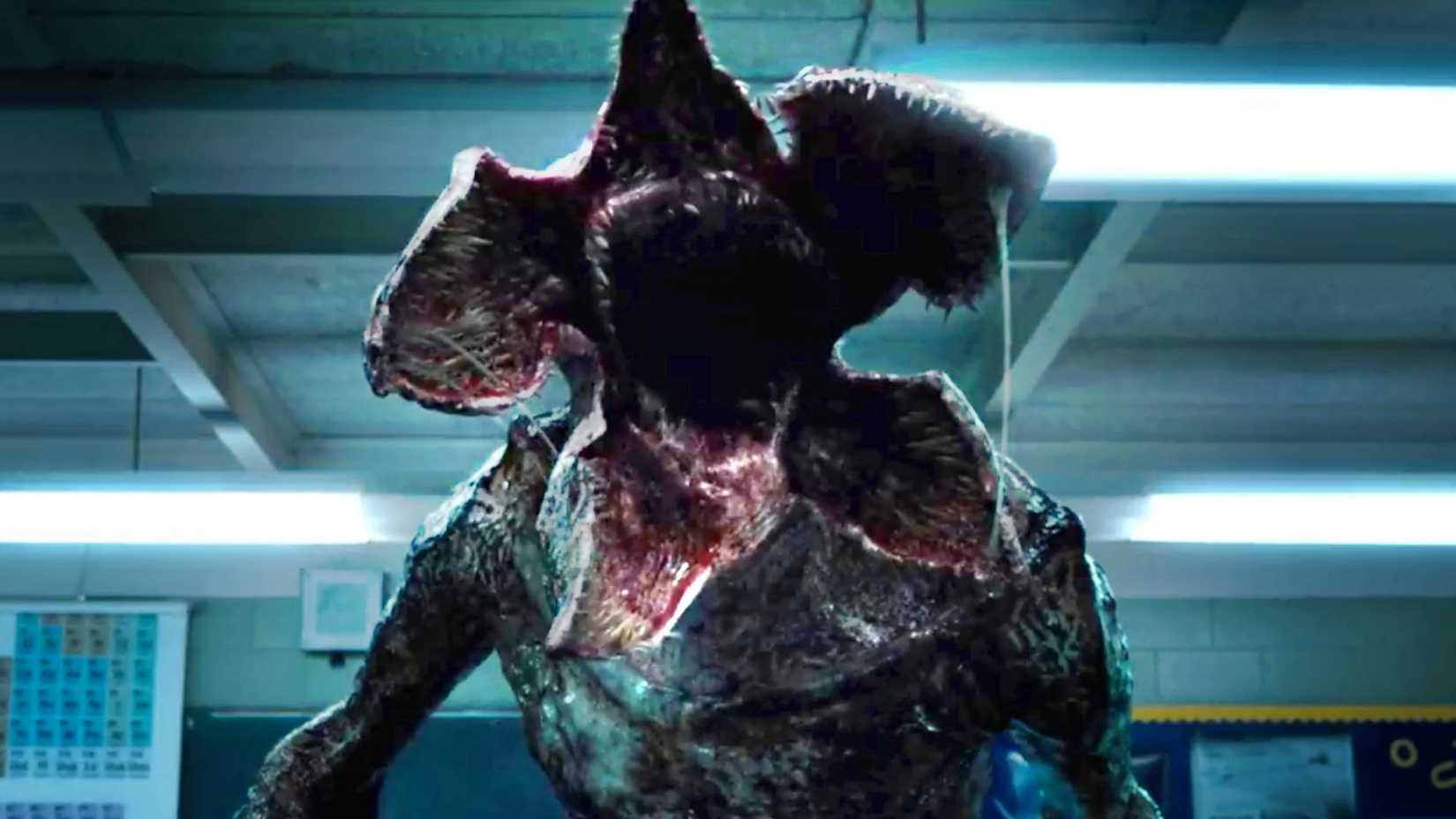
Gary Gygax's 1977 Advanced Dungeons & Dragons Monster Manual became one of the most important reference books behind Stranger Things’ creature mythology. The Duffers have explained that, after developing a monster for the show, they would look through D&D manuals to find a creature name the Hawkins kids could use to understand it.
That process helped give the series some of its most iconic terminology, including the Demogorgon and Mind Flayer. The book therefore influenced Stranger Things less as a direct story source and more as the fictional framework through which its young characters interpret the Upside Down and its increasingly dangerous inhabitants.
Aside from being a very clever and useful storytelling device, the D&D Monster Manual and the game itself are arguably the most important influences on Stranger Things, and the show simply wouldn't have been possible without these as a foundation.
Stranger Things
- TV Show(s)
- Stranger Things
- Video Game(s)
- Stranger Things: 1984
- First TV Show
- Stranger Things
- Cast
- Winona Ryder, David Harbour, Millie Bobby Brown, Finn Wolfhard, Gaten Matarazzo, Caleb McLaughlin, Noah Schnapp, Natalia Dyer, Charlie Heaton, Sadie Sink, Maya Hawke, Joe Keery, Jamie Campbell Bower
KioskNews shows a cleaned-up reading view extracted from the publisher’s page — the original always lives on their site, not ours.