Trying to quit vaping? Here’s how to get help without penalty


12 Nov 2026 09:24AM
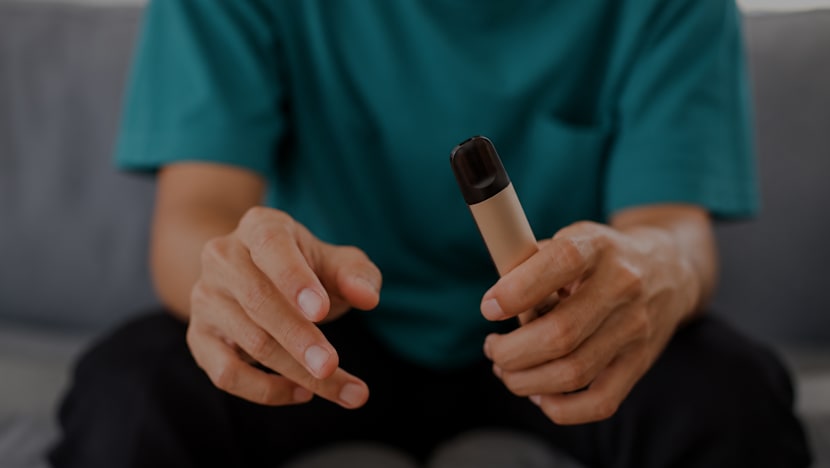
Quitting took Mr Jereld Pan several attempts. An HPB counsellor explains how to manage withdrawal, avoid common triggers and get free, confidential support through the I Quit programme.
Five years ago, Mr Jereld Pan, now 30, switched from smoking to vaping after hearing it was a “cleaner” alternative to cigarettes. But he remained hooked on nicotine, while the coughing fits he had experienced as a smoker continued, sometimes leaving him feeling like vomiting.
Concerned, he began reading about the health risks of vaping, including the possibility of lasting lung damage. What he learnt convinced him to quit. After more than two years of vaping and repeated attempts to stop for over six months, he finally succeeded.
Mr Pan, a game development tester, likened quitting to “finally beating that impossible boss” in a video game.

“PUSHING THROUGH DESPITE THE DIFFICULTIES AND FINALLY BEING ABLE TO SAY ‘I QUIT’ CAN BE ONE OF THE MOST REWARDING THINGS.”
– MR JERELD PAN, FORMER VAPER
WHAT TO KNOW BEFORE SEEKING HELP
Although Mr Pan considered professional help, he felt he could quit on his own. At the time, he knew little about programmes to help people stop vaping and did not realise he could seek help voluntarily without receiving an offence record. He now believes greater awareness of vaping’s risks and available support makes it easier for people to come forward.
Those who voluntarily seek help to quit will not face penalties or receive an offence record for coming forward. The Health Promotion Board’s (HPB) I Quit programme offers free support to adults aged 18 and above who want to stop smoking or vaping. Participants can choose daily SMS tips or telephone counselling, with follow-up calls for up to a year.
I Quit tele-counsellor Sandhieyaa Rave Chadran said what people share during counselling remains confidential. While the counselling process is confidential, this does not exempt participants from the legal consequences of vaping outside of the programme.
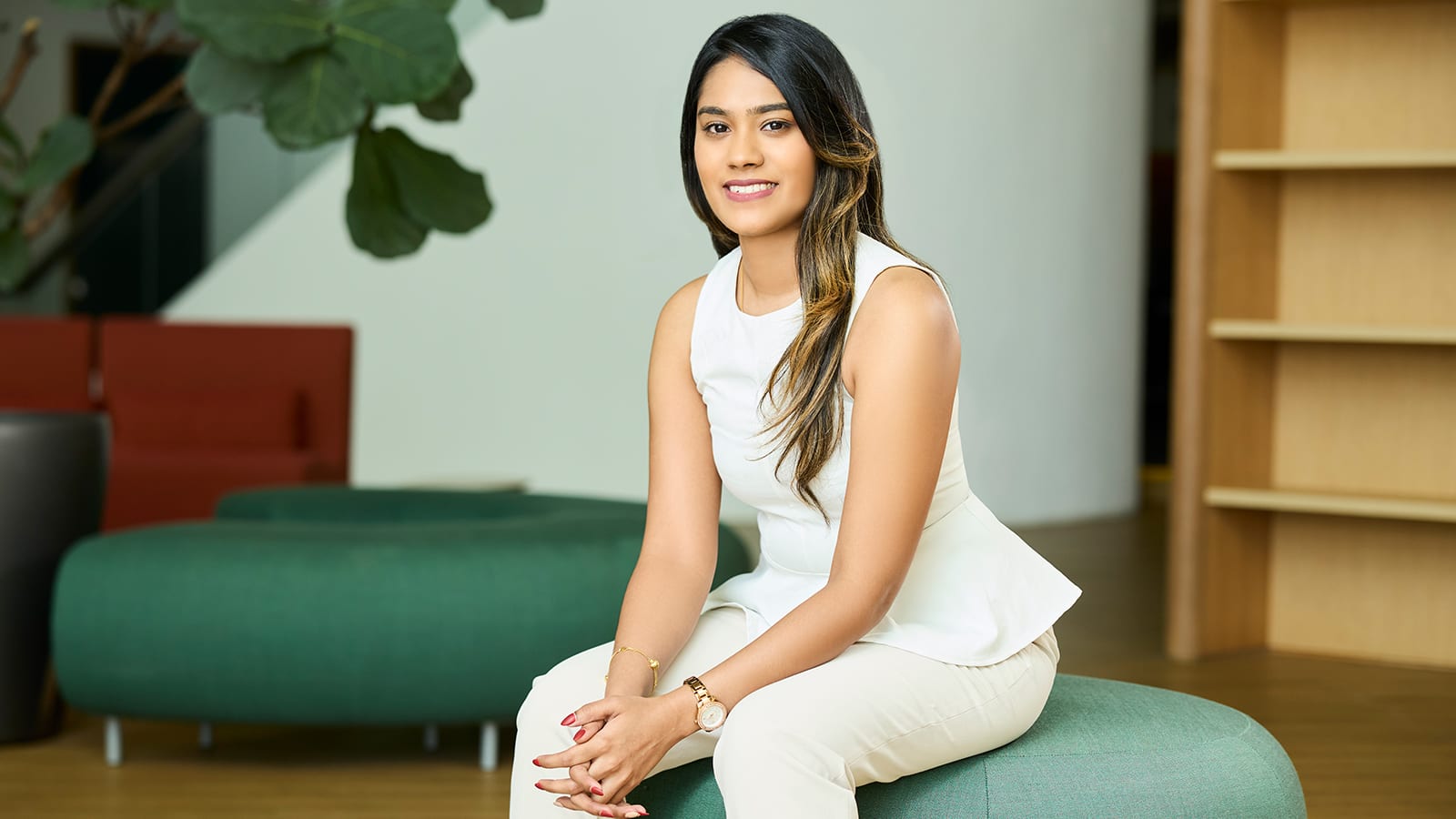
“OUR CONVERSATION IS FOCUSED ON UNDERSTANDING THEIR SITUATION AND OFFERING SUPPORT – NOT JUDGING OR PUNISHING THEM.”
– MS SANDHIEYAA RAVE CHADRAN, I QUIT TELE-COUNSELLOR
Vaping remains illegal in Singapore. Using or possessing a vape can carry a fine of up to S$10,000, while repeat offenders face tougher consequences, including mandatory rehabilitation.
WHY WILLPOWER ALONE MAY NOT BE ENOUGH
Mr Pan tried to cut down, but having a vape close at hand made it difficult to resist “just one more” puff.
Withdrawal was especially difficult two or three days after he stopped. He described a “gnawing” feeling at the back of his head and an “itchy mouth” sensation.
As his coughing worsened and he struggled with anxiety and work stress, he considered vaping again to ease the discomfort. “I’m glad I didn’t listen to myself,” he said.
Ms Sandhieyaa said quitting was not simply a matter of willpower. “Nicotine dependence, cravings, routines and emotional triggers can make quitting challenging,” she added.
HOW COUNSELLING CAN HELP
When someone first speaks with an I Quit counsellor, the conversation focuses on their vaping habits, cravings and triggers, why they want to quit and how ready they feel to stop. The counsellor then explains the support available and helps them choose a suitable pathway.
“From there, we work together on practical next steps and provide regular follow-up, encouragement and strategies to help them stay on track,” Ms Sandhieyaa said.
For example, someone who vapes when stressed might try other ways to cope, such as going for a walk. Those offered a vape could prepare a response such as “No, thanks, I’m trying to quit”, or temporarily avoid situations where others vape.
If someone starts vaping again, counsellors do not treat it as a failure. Instead, they discuss what triggered the lapse and adjust the quit plan. “The aim is to help the person continue rather than give up,” said Ms Sandhieyaa.
WHAT HELPED MR PAN STAY VAPE-FREE
After several lapses, Mr Pan got rid of the vapes and pods he had kept “just in case”, making it harder to return to the habit.
Gaming, boxing and Muay Thai kept him occupied while he was trying to quit. He also ate healthy snacks in moderation to keep his mouth “busy”. His improving fitness gave him another reason to stay vape-free.
He also opened up to his sibling and others close to him. “Seeing them being supportive of my decision to quit was a bit of a wake-up call for me,” he said. Their encouragement helped him recognise the toll vaping was taking on him and how it could affect those he cared about.
QUITTING WITHOUT SHAME
There was no single turning point when quitting became easier for Mr Pan. As his urges gradually faded, he saw how much of his life had revolved around vaping. His coughing eventually subsided. He also felt less anxious now that he no longer worried about being caught vaping.
“It just felt like my mind was a lot clearer after that,” he said.
Mr Pan recalled feeling ashamed of how much he relied on vaping. The feeling came largely from within rather than from others judging him. He hopes family and friends will encourage those trying to quit rather than criticise them for lapses. “If someone else had validated that shame, it might have made things worse,” he said.
Ms Sandhieyaa said people do not have to be fully ready to quit before seeking help. “Your first step can simply be to speak with us, understand your options and decide what feels manageable.”
Published: 12 Nov 2026 Text: Brand Studio Photos: Mediacorp Studio 3, Shutterstock
If you vape and want to stop, get support from HPB’s I Quit programme or call QuitLine at 1800 438 2000, with no penalties for coming forward voluntarily.
KioskNews shows a cleaned-up reading view extracted from the publisher’s page — the original always lives on their site, not ours.