Don't throw away your old graphics card — here's what you can do with it
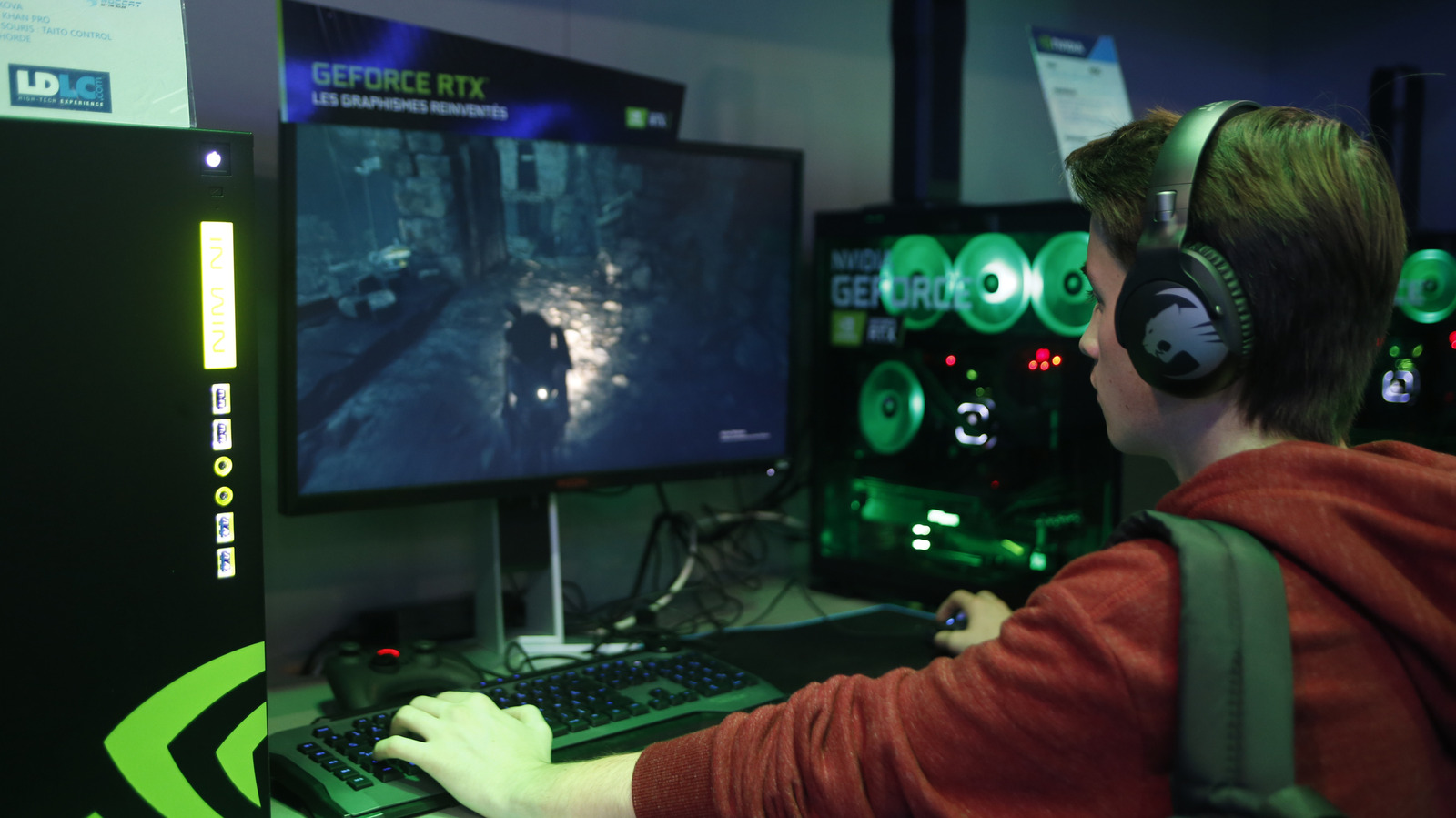
Some older graphics cards are still worth almost as much as they initially cost, so don’t waste their potential.
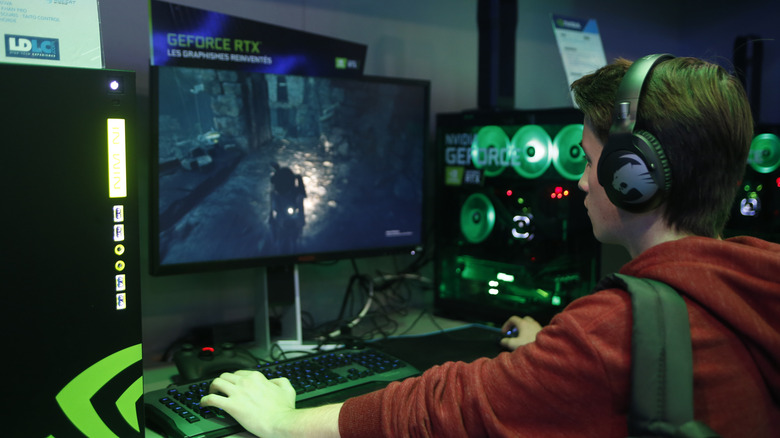
Chesnot/Getty Images
Especially in the current climate, you probably don't have to be told that throwing away your old graphics card is a bad idea. They're expensive, and you can repurpose your prior one after you upgrade. Every three to five years is a common cadence for GPU upgrades, so it's important to think about what happens to your investment when the next cycle comes around.
The most popular card in the latest Steam hardware survey is the Nvidia GeForce RTX 5070, which is installed in 6.15 percent of surveyed systems. It launched at $549 and can now cost more than $800 because of memory and silicon price inflation. Increased prices mean more people will use their GPUs for longer, which may stretch the typical upgrade cycle.
Just because you've outgrown your graphics card doesn't mean everyone else has, so selling your old GPU to get some value back is a good option. An eBay search at the time of writing shows some used RTX 3060s selling for almost as much as they originally cost. Even the 10-year-old $249 GTX 1060 is typically listed at $50 to $100 in good condition, though these are always subject to fluctuation.
What to do with an old graphics card
You can repurpose your old graphics card by installing it into your home media server to handle hardware-accelerated video encoding and decoding using Nvidia's NVENC or AMD's AMF. Both Jellyfin and Plex support hardware-accelerated streaming, so your old GPU can gain new life converting video codecs in real time to offload tasks from the processor.
Alternatively, you can build a PC to connect to your TV that also runs as a gaming console. You don't need state-of-the-art performance for light indie games or emulation, and sometimes older hardware can work better with past releases designed for older standards. Use it to run titles built using legacy code libraries, DirectX 9-era games, or to gain extra HDMI/DisplayPort connections to drive additional displays.
Using the card in a spare slot in your main PC to run legacy software may also work, if you have enough power and ventilation. However, there are caveats to running two GPUs in one chassis. You'll need a power supply and motherboard capable of handling dual GPUs and may bump into PCIe lane limits. If your processor uses lane splitting, a second card can degrade the performance of your primary GPU, which is a problem. Check your motherboard manual to see how it handles different expansion slots before you commit resources to this project.
Even more: streaming, gaming, encoding and AI
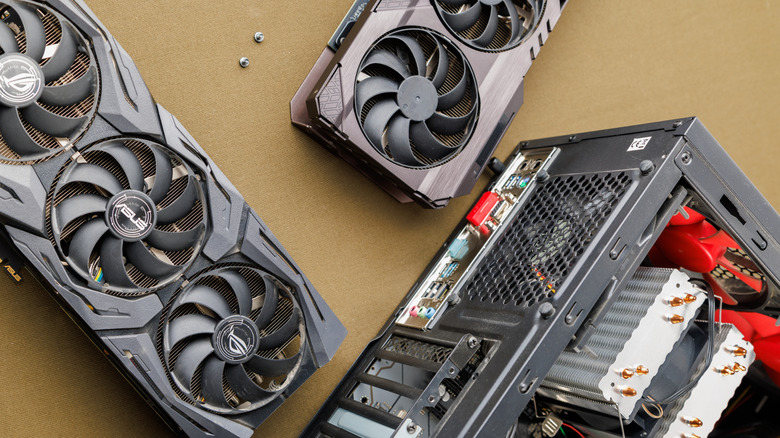
lucky_pics/Shutterstock
Gamers have even more options to repurpose an old GPU. Try running Lossless Scaling ($6.99 on Steam) on your old card as second-fiddle support for your new one, or use it to capture in-game video while the primary GPU runs the game. You might build a separate PC for capturing video streams, or as a video encoding and editing rig handling tasks in DaVinci Resolve or Blender. It can even be a good option for running local AI workloads, given how heavily those rely on VRAM.
Holding onto the video card to have a spare in case one fails isn't a bad idea if you have no other use in mind. Just be aware the money you could make selling it will drop over time, and remember to store it safely in an antistatic bag.
Finally, a word about recycling: even if you plan to get rid of it, you shouldn't throw electronics out with the trash. Companies that do e-waste recycling will take your old card to break it down. Even if your old card is irreparable, the gold, copper and aluminum it contains will have value somewhere, so recycling it is way better than chucking electronics into a landfill.
KioskNews shows a cleaned-up reading view extracted from the publisher’s page — the original always lives on their site, not ours.