Pope Leo calls COP31 failure ‘troubling,’ urges action on climate change
Already have Rappler+?
to listen to groundbreaking journalism.
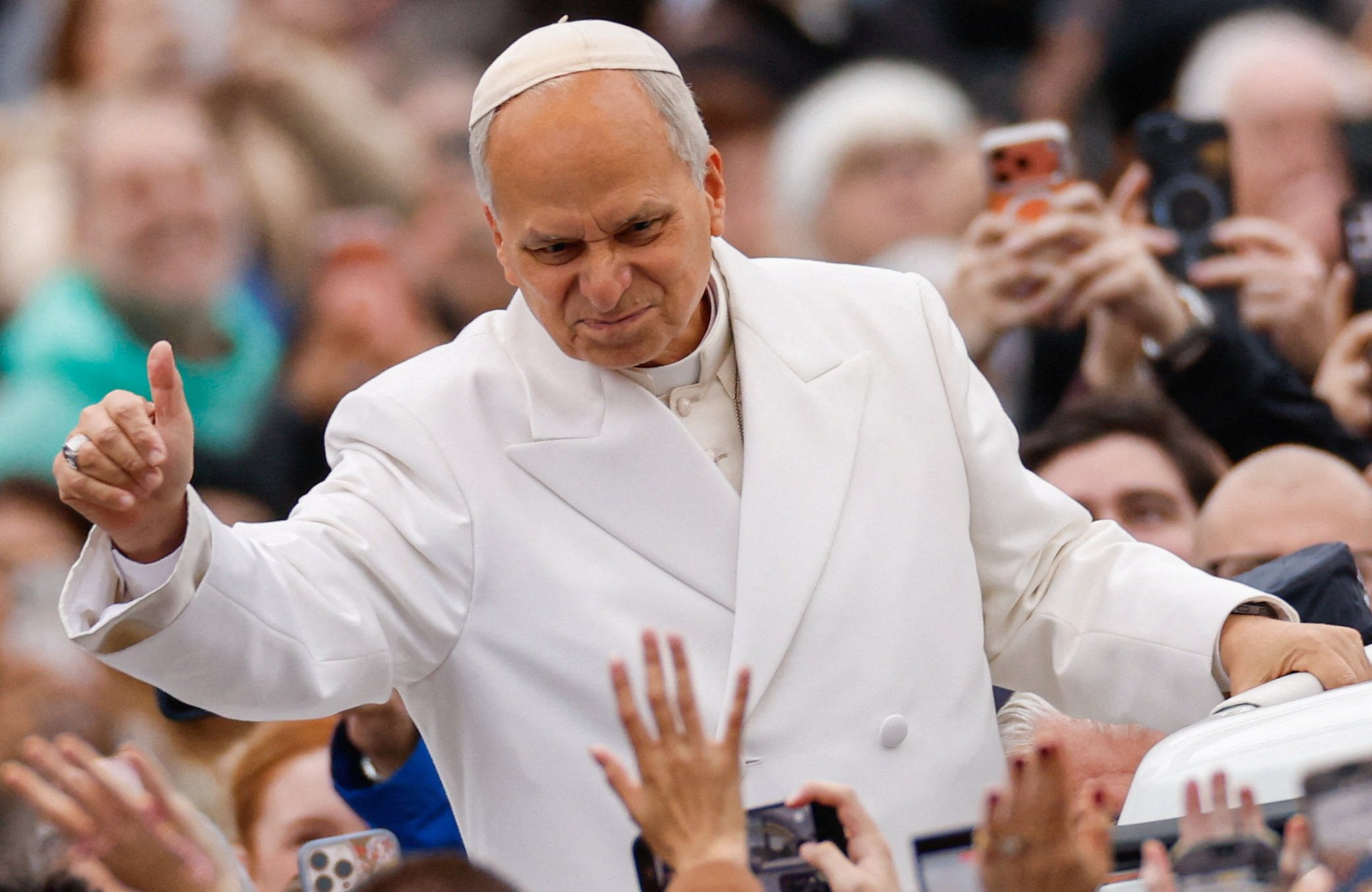
Pope Leo gestures from the popemobile during the weekly general audience in St. Peter's Square at the Vatican, November 25, 2026.
Remo Casilli/Reuters
'This situation calls for a renewed sense of shared responsibility, new forms of solidarity among nations and fundamental changes in behaviors, socio-economic systems, and the governance of our societies,' says the Pope
VATICAN CITY – Pope Leo XIV on Wednesday, November 25, sharply criticized the failure of UN climate talks over the weekend, calling the outcome “troubling” and urging world leaders to step up efforts to combat climate change.
“In the face of the growing frequency of extreme environmental events linked to the climate crisis, it is troubling that COP31 ended without the international community adopting clear commitments to address it seriously and responsibly,” the pope told pilgrims at his weekly audience in St. Peter’s Square.
“This situation calls for a renewed sense of shared responsibility, new forms of solidarity among nations and fundamental changes in behaviors, socio-economic systems, and the governance of our societies,” said the Pope.
The COP31 talks collapsed on Sunday, November 22, as the European Union and others rejected a final deal put forward by COP31 presidents Turkey and Australia, saying it was too weak to advance the fight against global warming.
The last time UN climate talks failed to get a deal adopted was after a summit in Copenhagen in 2009.
Leo is known for speaking carefully in public and makes appeals to the international community in his weekly audiences on a less frequent basis than his predecessor, Pope Francis.
Leo, the first US-born pope, has urged the world’s 1.4 billion Catholics to protect the Earth. Last year, he approved a new Catholic rite of Mass that exhorts people to care for creation, in a first for the global Church. – Rappler.com
KioskNews shows a cleaned-up reading view extracted from the publisher’s page — the original always lives on their site, not ours.