‘American Covid’ strain sees resurgence in England as hospitalisations rise
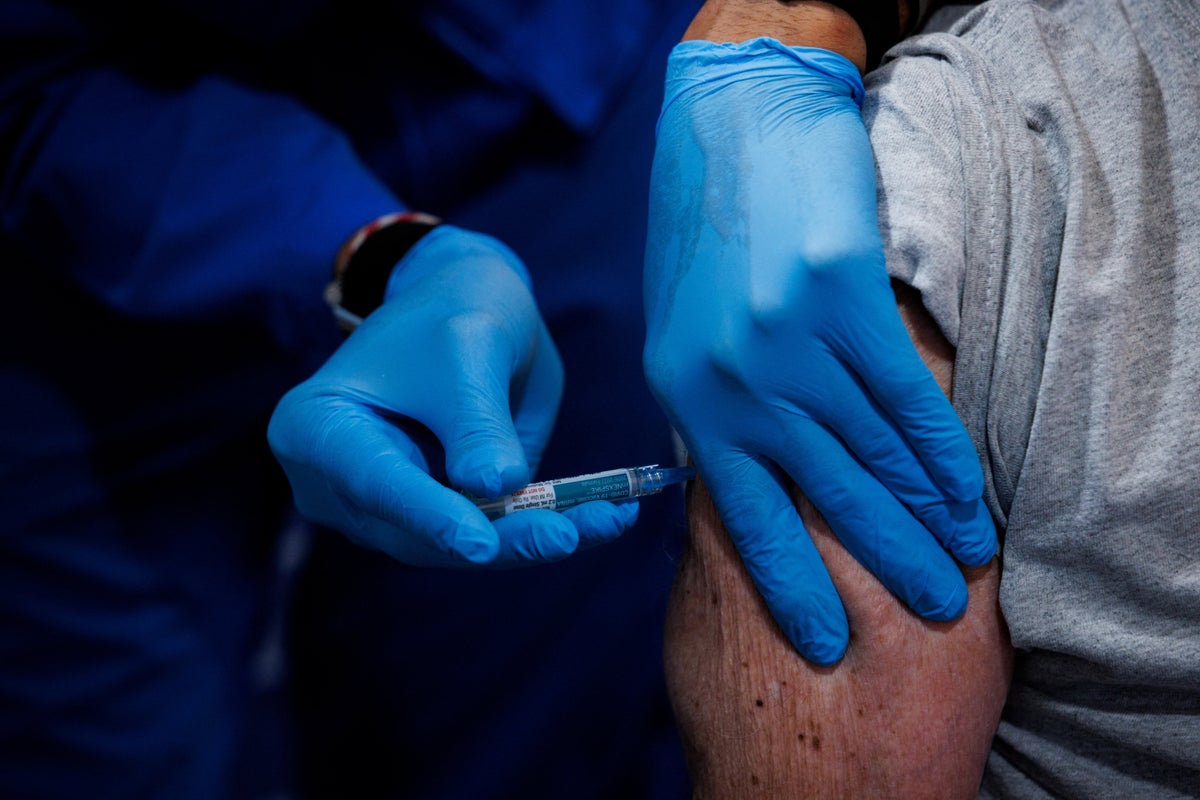
Cases of the “American Covid” strain are on the rise in England with an increase in positive tests and hospital admissions.
The UK Health Security Agency (UKHSA) revealed the rate of positive Covid-19 tests in hospitals had increased from 5.9 per cent to 7.0 per cent, according to the latest figures in September. Meanwhile, the hospital admission rate has surged by almost 50 per cent.
Hospital admission rates for Covid-19 were highest in the London region, increasing by 79 per cent.
More than half of the positive tests were found to be a variant of XFG, also known as the Stratus or “American Covid” strain, which was first identified last January and has since spread around the world. The World Health Organisation identified it as a mix of earlier variants LF.7 and LP.8.1.2.
Covid-19 hospitalisations peaked in January 2021, according to the UKHSA’s data dashboard, with more than 30,000 in hospital at one point. Vaccination campaigns have continued each autumn since then to try to prevent hospitalisations and deaths.
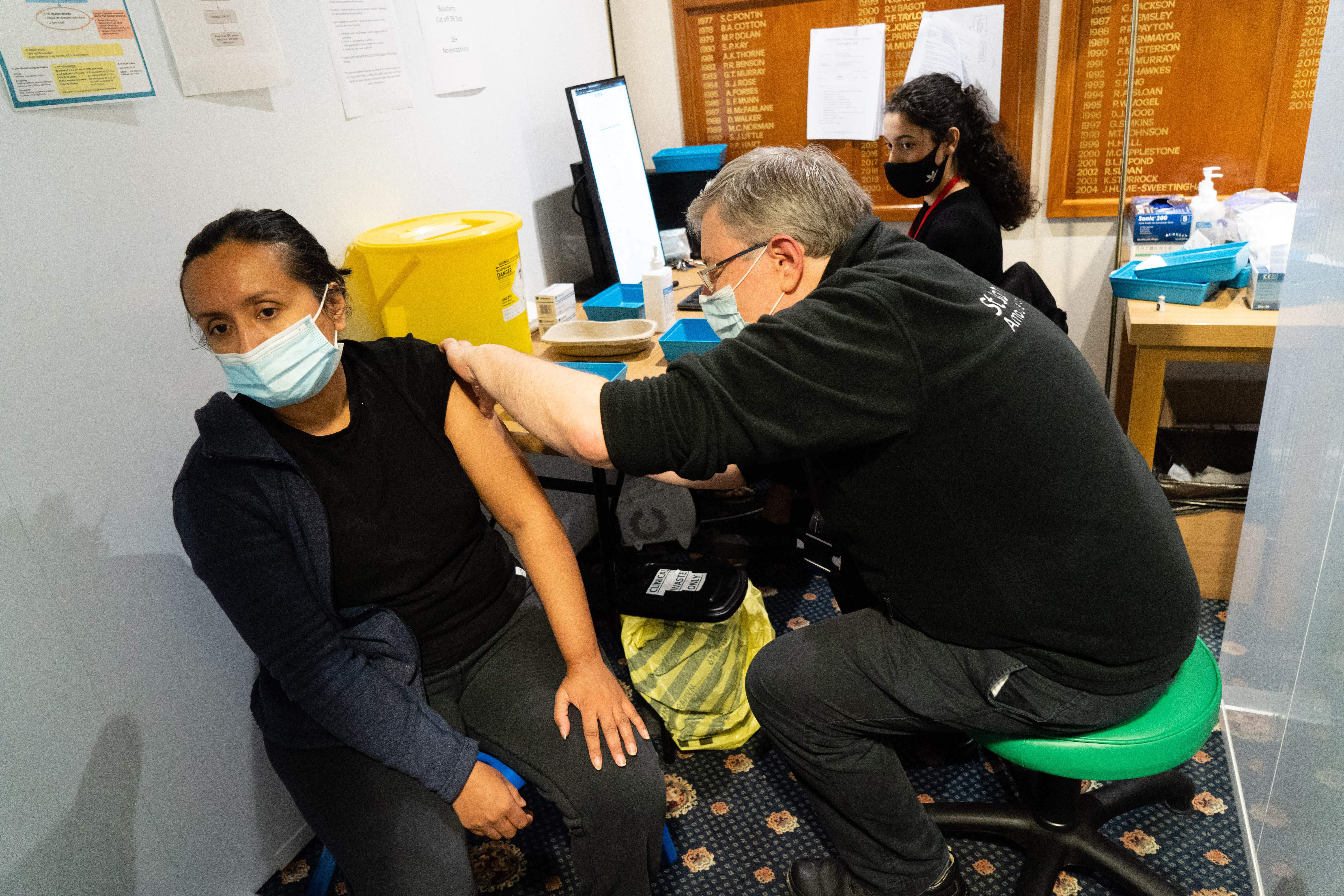
Health experts have advised those eligible for the autumn Covid-19 vaccination to get the jab, including people aged 75, residents in care homes for older adults, and immunosuppressed individuals.
Alex Allen, consultant epidemiologist at the UKHSA, said: “While Covid-19 activity has shown some recent increases, cases remain at low levels in the UK.
“UKHSA is monitoring all the data relating to Covid-19 variants in the UK and abroad, and we continue to publish our findings in our regular surveillance reports.”
The UKHSA added as the Stratus strain has been in circulation for a year, this winter’s vaccine is specifically designed to protect against it and its variants.
Dr Matthew Siggins, lecturer in immunity and infection biology at the University of Surrey, said that the rise was not a “reason for alarm” as many people remained immune from previous infection and vaccination.
“There is no evidence that variants currently circulating in the UK are causing more severe disease,” he told The Independent. “However, Covid can still cause serious illness in those at greatest risk.”
Those over 85 were most likely to be hospitalised according to the latest Covid-19 figures, with rates rising to 12.43 per 100,000, compared with 7.08 in the previous week.
Most people no longer need to take lateral flow tests for Covid-19, the NHS said, but advised those with positive tests to stay at home as much as possible and avoid contact with other people for five days, or three days for those under 18.
Everyone who tests positive should avoid meeting people with weakened immune systems for 10 days after the day they took the test.
Dr Siggins added: “Covid is increasing, which is not unexpected for this time of year, but remains at a low level. Waning immunity, changes in circulating variants, as well as increased indoor mixing can all contribute to increasing rates of infection.”
Paul Hunter, a professor of medicine at the University of East Anglia, said: “Reported infections and hospitalisation are still quite a lot lower than this time last year.”
While symptoms can vary, the reaction associated with the XFG strain remains similar to other recent Covid-19 variants, including sore throat, cough, fatigue, and fever.
Dr Bruno Silvester Lopes, lecturer in microbiology at Teesside University, added Stratus was “linked to hoarseness and fatigue”.
KioskNews shows a cleaned-up reading view extracted from the publisher’s page — the original always lives on their site, not ours.