‘I wanted a different life for my children’: What poverty in WA looks like when you are trying to rebuild
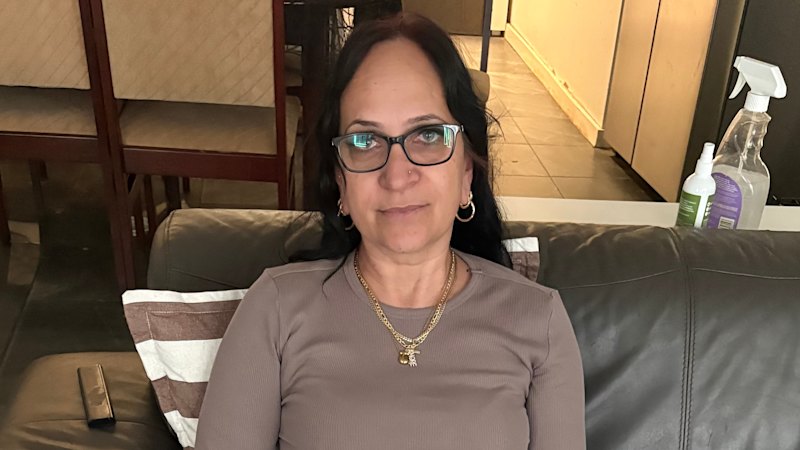
Almost 10 years ago, I fled regional Western Australia and an abusive relationship, taking my children with me and carrying little more than a bag of clothes each.
I had no savings, no car and no certainty about our future. But I knew one thing: I wanted a different life for my children.
When I arrived in Perth, I was scared. I didn’t know how I would survive, but I knew I had to keep going. I just kept hoping and praying that our life would be better than what it was.
When you’re starting again with very little, having the basics in place can make all the difference.
Poverty isn’t just about not having money. It’s about not having the foundations that allow you to feel safe, recover and build a future.
For me, one of the biggest foundations was a safe home. I first found a private rental and eventually accessed social housing, close to shops and my children’s school. Having somewhere stable gave us the security we needed to start again.
Practical support also made a difference. A church helped furnish my home, while other organisations helped with food, clothing and essentials. People helped me with appointments, transport and emotional support.
But just as important was the kindness of people who saw me as a person, not just someone who needed help. They reminded me that I mattered.
That support gave me the chance to start rebuilding my life.
Too often, people assume those receiving income support aren’t trying, or don’t want to work. That was not my experience.
Being on Centrelink is really hard. There isn’t enough money to cover rent, bills, power and water without sacrificing a lot just to put food on the table.
When you’re struggling financially, you’re not thinking about luxuries. You’re thinking about keeping your family safe, fed and looked after.
My children were the reason I kept going. I wanted them to have a life where they felt safe, and I knew leaving was the first step towards giving them that.
But starting again wasn’t something that happened overnight. Rebuilding my life after years of abuse took time.
When I first left my relationship, I wasn’t ready to walk straight into a job. I had no self-confidence and low self-esteem. I needed time to build myself back up and find myself again. It took me six years to really feel like myself and understand what I wanted in life and what I deserved.
Eventually, I was ready to take the next step. Getting a job was a huge moment because it represented more than employment.
It meant confidence, independence and believing in myself again. It felt so good to get that job myself. It was something for me. And the more I achieved, the more I kept going.
During COVID, the Coronavirus Supplement gave me extra breathing space. It helped me save money, get my driver’s licence and buy my first car.
That car gave me freedom. I could drive to interviews, take my children where they needed to go and attend appointments. I could start saving, setting goals and creating positive memories with my children.
One of the hardest parts of poverty is not just the financial pressure. It’s the judgement. For a long time, I felt like I was never good enough, even when applying for jobs.
I thought, “They’re not going to want me.”
You don’t always know what someone has had to overcome to get where they are.
My message is that we need more compassion. Being on Centrelink doesn’t define someone’s worth.
It doesn’t make you any better than me because I’m on Centrelink. We’re just all humans.
My story is my own, but many women know what it means to leave an unsafe situation and try to rebuild their lives.
I want women living in unsafe situations to know that taking that first step can lead to a different life. I’m proof that change is possible.
But women and children leaving violence should not have to rebuild alone.
Safe housing, sufficient income support, practical help and time to heal can make the difference between simply surviving and being able to move forward.
People experiencing poverty should not be defined by the hardest moments of their lives. We all have hopes, skills, families and dreams.
I know what can happen when you have a safe home, enough income, support and people around you who believe in you. You can start to rebuild.
I know, because I’ve done it.
Anti-Poverty Week runs until October 17. For information on supporting action to reduce poverty, visit www.noplaceforpoverty.org.au.
KioskNews shows a cleaned-up reading view extracted from the publisher’s page — the original always lives on their site, not ours.