The mud kitchen in Kangra breathes with the seasons
In my Kangra village, I found a contradiction. Our concrete rooms trapped summer heat and became damp iceboxes in winter. Yet our traditional kitchen, with thick mud walls, local stone and slate, stayed cool in summer and warm against the Dhauladhar winds. Cooler towns in the higher reaches had air-conditioned hotels; below, homes needed no ACs or heaters. They breathed with the seasons.
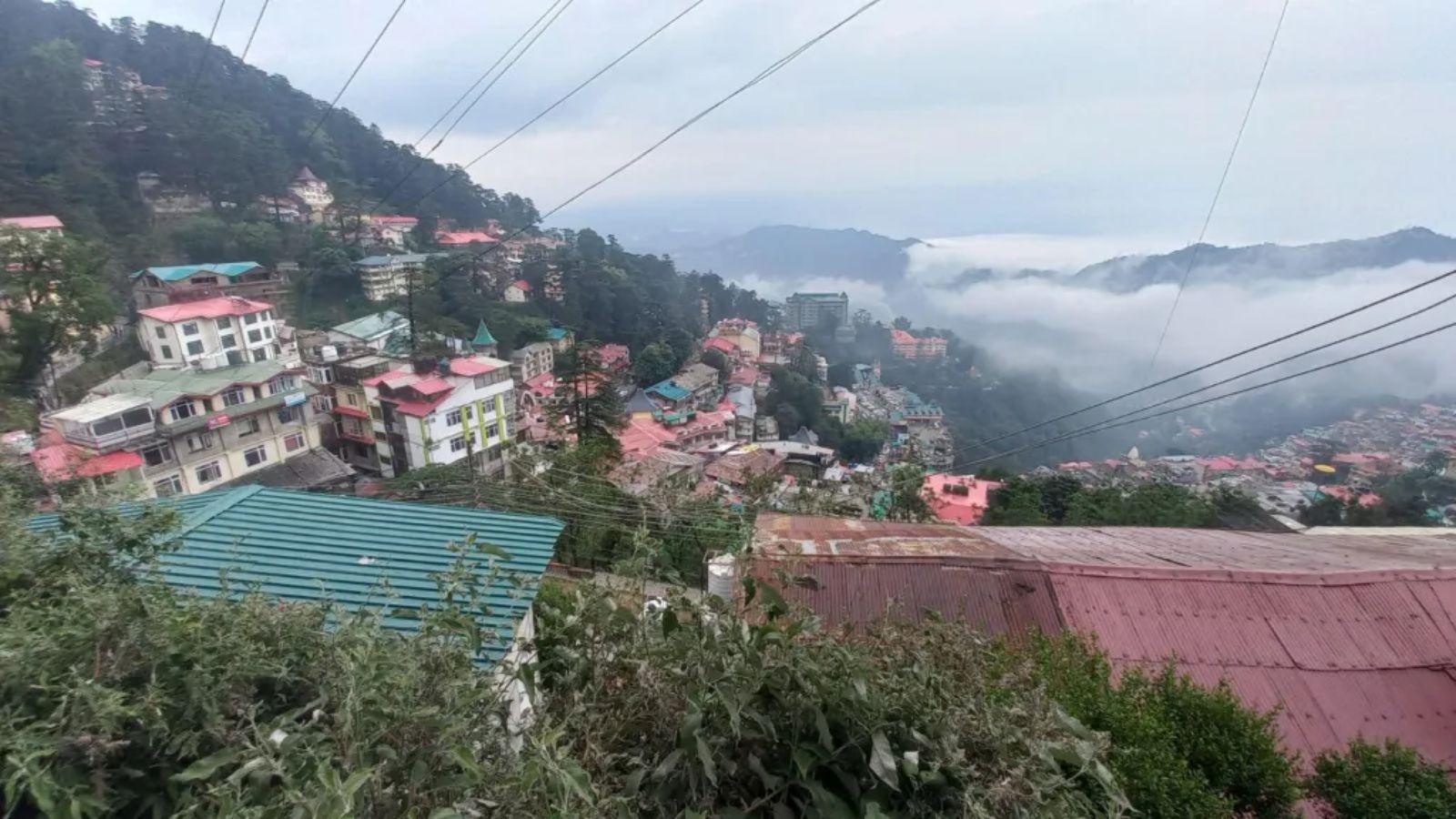
In July 2025, rejecting a builder’s plea to build a hotel on Shimla’s forested slopes, Supreme Court Justices J B Pardiwala and R Mahadevan warned ecology must come before revenue. The Central Empowered Committee (CEC) issued an interim report on concrete replacing traditional homes. CEC figures show registered hotels grew by 90 per cent and homestays by 670 per cent between 2016 and 2025. Multi-storey cement buildings spread across slopes without carrying-capacity studies. Over 1,000 hydroelectric projects are planned, accounting for 31.9 per cent of forest land diverted.
Our ancestors in Himachal developed earthquake-prone methods like kath-kuni, with interlocking deodar timber and dry stone, in Kullu and Shimla; dhajji-dewari, with timber and mud, in Kangra and Chamba; and Spiti’s rammed earth.
Traditional stone foundations drain rainwater; concrete blocks drainage and weighs down slopes. Geological Survey of India (GSI) surveys after the 2023 monsoon disasters linked landslides in Kullu, Mandi and Shimla to blocked drainage, the weight of multi-storey buildings and 90-degree hill cuts.
When I planned a natural-material home in Kangra, I found the system stacked against it. The 1980 Forest Conservation Act and 1996 tree-felling restrictions trapped villagers’ bartandari timber rights in red tape. Denied two legal Deodar trees for repairs, villagers may find buying 100 cement bags easier.
Colleges teach concrete; the National Building Code, Public Works Department (PWD) price lists and fire bylaws obstruct mud-and-stone plans. Thirty years ago, schoolbooks called brick-and-cement pucca homes dignified and mud-and-slate kutcha homes poor. The Pradhan Mantri Awas Yojana favours cement and brick; banks withhold mud-home loans and insurance.
Trying to build naturally, I could not find workers. Traditional master masons and woodcarvers, known as thawis, are disappearing. Younger helpers refused mudwork, calling kneading earth and dressing stone “dirty” and lowly, while cement work seemed clean, modern and respectable. I sought natural-building architects but found most unaffordable. If someone determined to avoid concrete must give up, what chance does an ordinary family have?
Himachal must update building codes, PWD schedules, bank rules and PMAY to recognise engineered mud, kath-kuni and dhajji-dewari as pucca, insurable and loan-eligible. ITIs should teach earth-building with mud-block presses and pay thawis to train; the unspent Rs 273 crore should fund village blueprints and community timber forests.
Concrete doesn’t bend. When monsoon clouds burst or fault lines shift, the Himalaya shakes off what doesn’t belong. Himachal’s survival isn’t inside a cement bag; it is still breathing inside that quiet mud kitchen in Kangra.
The writer is the host of the YouTube channel Mountain Trekker
KioskNews shows a cleaned-up reading view extracted from the publisher’s page — the original always lives on their site, not ours.