Meteor shower season has begun – here’s how to watch in the UK
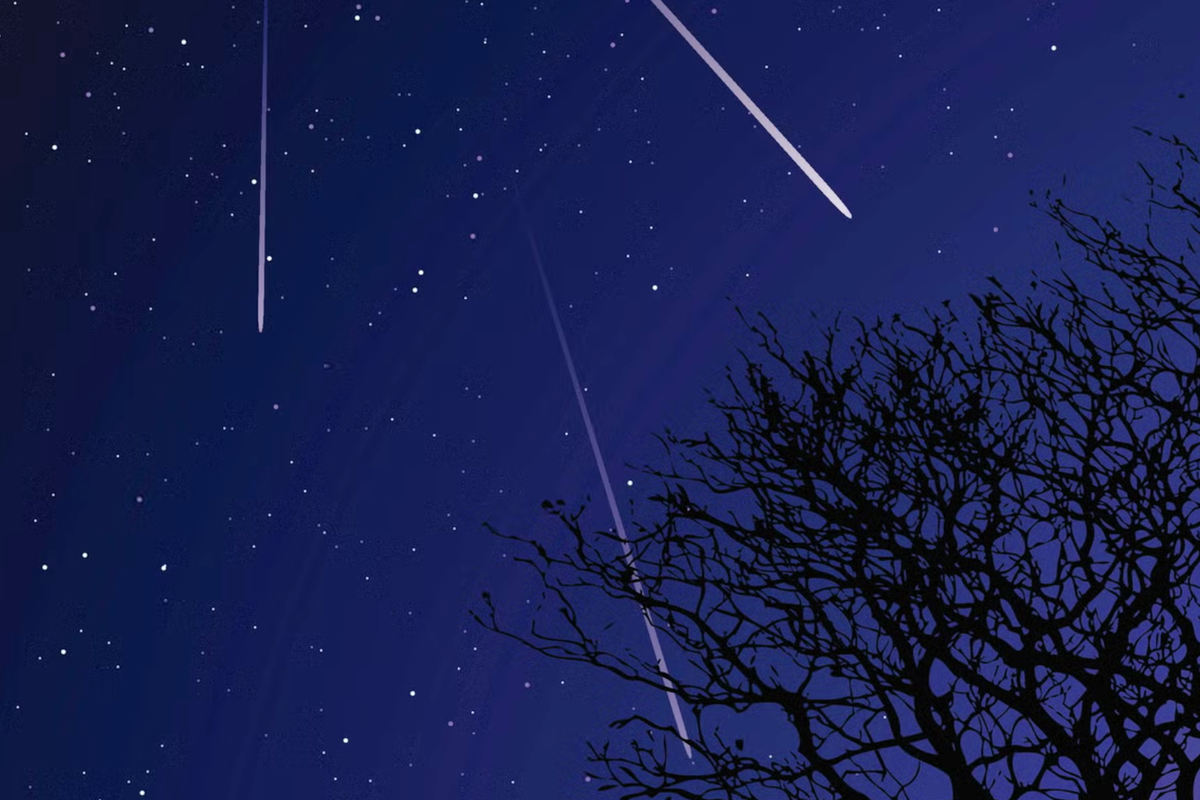
Meteor shower season is upon us, with longer, darker nights offering more opportunities to catch a glimpse of the wonders of the night sky.
In the coming months stargazers are set to be treated to an array of dazzling displays, including the Pleiades star cluster, Orionid meteor shower, a planetary parade and a supermoon this autumn.
Here, the Independent breaks down how to see these astral events and what to look out for.
The Pleiades
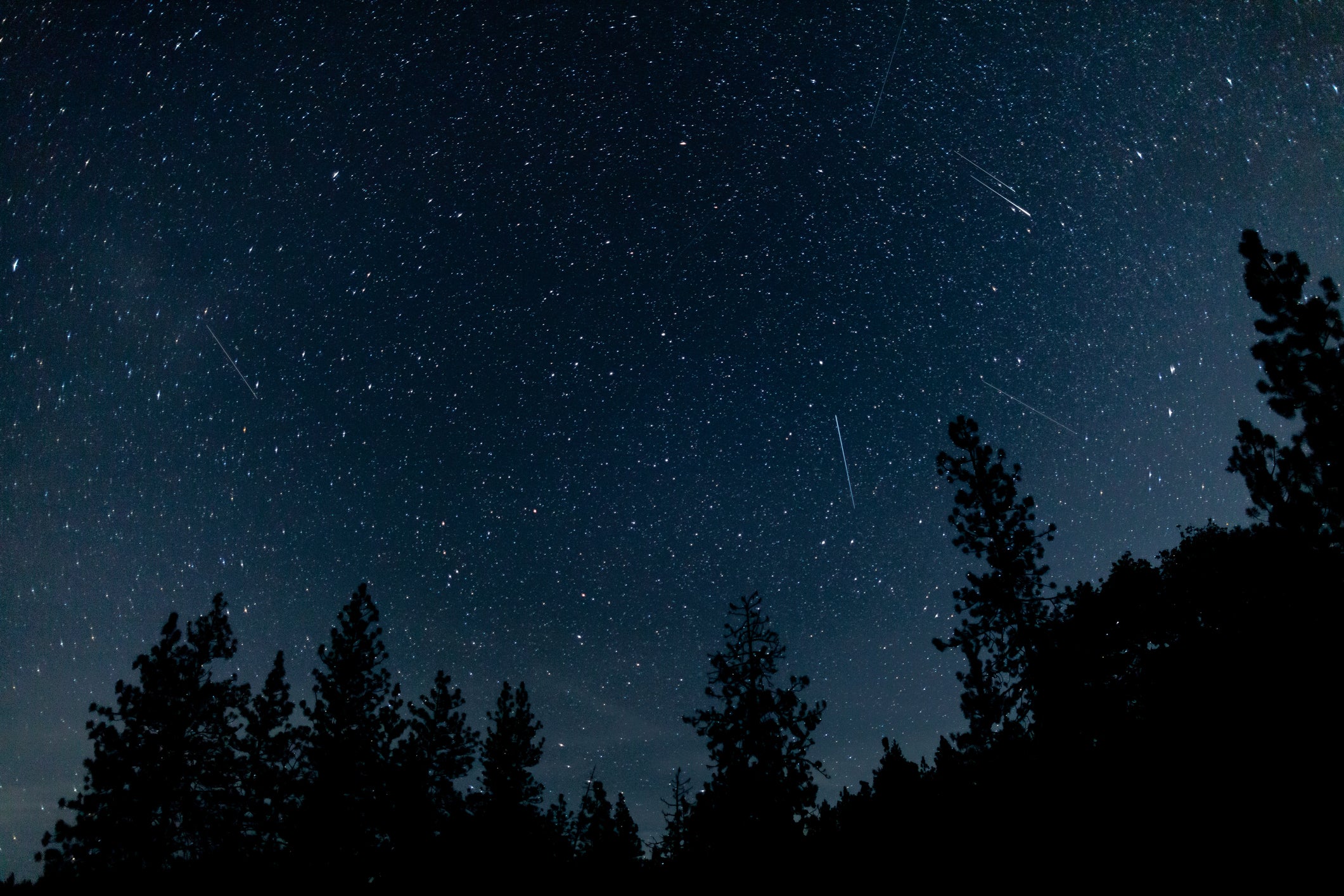
A cluster of young stars called the Pleiades or the Seven Sisters will start to become prominent throughout autumn.
The stars which are around 440 light years away from Earth can be found by looking east. The Pleiades can be found in the constellation Taurus.
While you may assume there are only seven stars in the cluster, there are actually over 1,000, but only six are usually visible with the naked eye. But more can be seen when using a telescope.
Orionid meteor shower
From early October to November the Orionid meteor shower is already active.
The meteor shower, which can only be seen twice a year, reaches its peak around October 21.
It can be seen when Earth passes through debris left behind by Halley’s comet, which appears about every 75 years.
When these bits of debris enter Earth’s atmosphere they heat up and produce streaks of light.
November planetary parade
Mercury, Venus, Mars and Jupiter will all be aligned in the early morning sky on 14 November.
The four planets will be visible above the horizon before sunrise, but some will be easier to spot than others.
Venus and Jupiter are some of the brightest in the night’s sky and will be easier to see than Mercury which will stay low in the sky.
Leonid meteor shower
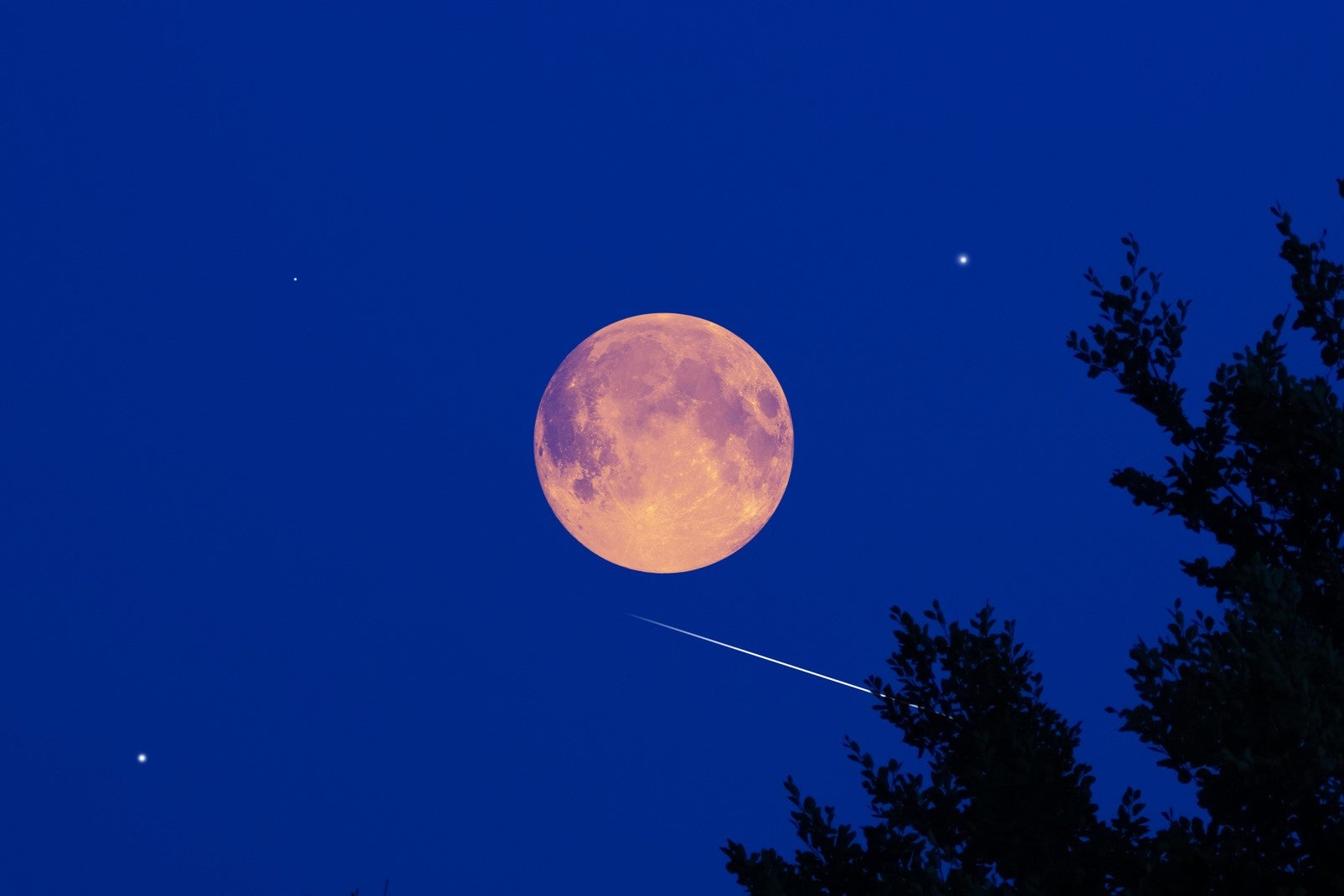
The Leonid meteor shower, which is one of the fastest meteors visible from Earth, is expected to peak by 17 November.
At the showers peak around 10 to 15 Leonids an hour can be visible, depending on weather, light pollution and the brightness of the Moon.
It’s named after the constellation Leo, where the meteors appear to radiate.
The Beaver supermoon
Another celestial treat will grace the skies in November with a supermoon.
November’s full moon is known as the Beaver Moon, which will be at its full phase on 24 November.
A supermoon occurs when the Moon is closer to Earth, making it look brighter and bigger.
KioskNews shows a cleaned-up reading view extracted from the publisher’s page — the original always lives on their site, not ours.