10 Unforgettable Songs That Make Horror Movies Even Scarier

Audrey Connelly is a writer living and working in Boston, MA. Music is and has always been one of the most important parts of her life. While rock & roll is her true love, Audrey's taste runs the gamut. Deep cuts, overplayed Billboard Hot 100 hits, trip hop, reggae, musical theater. It's all fair game. However, if she's being totally honest, she is not a huge fan of (most) country music, but she is (mostly) willing to give anything a listen or two.
She has previously contributed to Atwood Magazine and has brought her passion for writing and music – specifically classic and alternative rock – to Collider.
Sign in to your Collider account
An effective soundtrack is the most important part of a horror movie. The music needs to pull the audience into the film, to get them emotionally invested in a plot that may otherwise seem unbelievable. It has to work its way under the viewer's skin, spike their blood pressure, and jack up their heart rate. Sound is the gateway to fear.
From classic films to recent releases, iconic horror movies rely upon carefully chosen tracks to immerse viewers in a cinematic experience. While not every song on this list is inherently scary (in fact, most are not,) they become irresistibly bone-chilling in the context of these horrifying flicks. These ten songs are responsible for elevating these movies from simply creepy to downright terrifying.
10 "Come See About Me" by The Supremes in 'The Sixth Sense' (1999)

The Supremes were an incredible force in soul and R&B – the beating heart of Motown. They released “Come See About Me” in 1962 for the Motown label. The song achieved substantial commercial success, reaching number one on the Billboard Hot 100 and number three on the soul charts. Fun fact: this track is one of the first to use the fade-in technique at the beginning, which emphasizes the innovation taking place in soul music at the time. The song is beautiful, happy, and doo-wop infused – a perfect choice for dancing with a sweetheart.
In the 1999 horror/mystery film The Sixth Sense, the song is used strategically to mark a moment of intense emotion and realization. Malcolm, a child psychologist played by Bruce Willis, walks into his house to find his wife has dozed off in front of the TV while watching their wedding tape. It appears she has been crying.“Come See About Me” is playing in the background of the video, highlighting the beauty and purity of their love. He watches as a ring slips out of her hand and rolls across the floor and, suddenly, the pieces of a mystery fit together in his mind. His eyes widen, his jaw drops, and – well, we’ll leave it at that. No spoilers, even though you’ve had over 25 years to watch it.
9 "Both Sides Now" by Joni Mitchell (Judy Collins Version) in 'Hereditary' (2018)
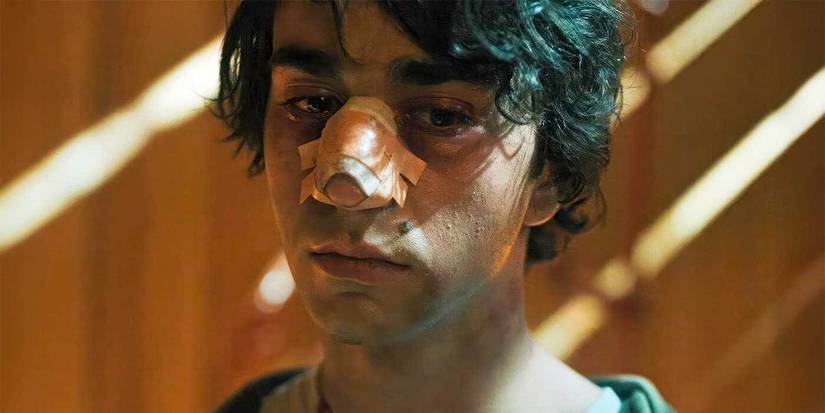
Hereditary, written and directed by the absurdly talented Ari Aster, is one of the more disturbing movies out there – but crafted with such artistry that it's worth watching over and over again. The film explores generational trauma, motherhood, guilt, and tragedy through a terrifying supernatural lens. The plot gets progressively darker and more twisted, culminating in a chaotic frenzy of demonic possession and naked cult activity. The violence and horror grows and grows, becoming almost unbearably intense, until – abruptly – the credits start rolling. The crystal-clear voice of Judy Collins rings out as she sings “Both Sides Now.”
“Both Sides Now” was written by Joni Mitchell and recorded and released by grammy-nominated Judy Collins in 1968. The song was a top ten hit, putting the already prolific Collins on the map in a way she had not been before. A year later, Joni Mitchell released her own version of the song on her album Clouds – it became one of her most well-known tracks. Whimsical, metaphorical, and introspective, the lyrics are a work of art. Mitchell’s iteration is vulnerable and intimate, imperfect in a way that adds depth and character. Collins’ version is polished, radio-friendly, and uplifting. Using this song at the end of a movie as terrifying as Hereditary is an interesting and comedic choice. The switch from darkness and violence to light and hope is lightning-fast – if you’re not careful, it’ll give you whiplash.
8 "Ramblin' Man" by The Allman Brothers Band in 'The Exorcist' (1973)

The Exorcist is one of the most iconic horror movies in existence. It was the first film to be nominated for the Academy Award for Best Picture – and nine other awards. To say it was culturally significant would be a gross understatement. It was absolutely massive, changing the way viewers thought about movies, demons, and the Catholic Church. Notably, there were an unusually high number of random tragedies afflicting the cast and crew during filming. There were injuries, delays, and even deaths throughout production. Many believe the movie is cursed.
Towards the beginning of the film, the main character, priest and psychologist Father Karras, meets with a fellow clergyman in a bar. Playing softly on the jukebox is The Allman Brothers Band’s “Ramblin’ Man.” Both the film and the song were released in 1973, giving the scene a modern-day, mundane feeling – connecting the supernatural to daily life for added impact on the audience. The inclusion of the song provided a familiar ambiance to viewers, drawing them into the plot. Perhaps this push for authenticity explains why, after the release of The Exorcist, belief in the paranormal spiked markedly.
7 "Tiptoe Through the Tulips" by Tiny Tim in 'Insidious' (2010)

Hands down, this is the most unsettling song on the list. It doesn’t even need the context of being prominently featured in a horror movie – the heebie-jeebies are activated instantly upon listening. “Tiptoe Through the Tulips” was written in 1929 and recorded by Tiny Tim in 1968, and it may ery well be the creepiest song known to man. The lyrics themselves, assumedly aiming for romantic and wholesome, take on a uniquely bone-chilling quality in the Tiny hands of Tim. His vocal range, though impressive, allows him to sing in a haunting falsetto – inexplicably, he decides to stay at the very top end of his Mickey Mouse range for the entire song, trilling away like some demonic bird. Pair that with the queasy tropical joy of a lone ukulele, and you’ve got yourself a nightmare.
This track shows up repeatedly throughout the 2010 horror film Insidious, sound tracking the most disturbing scenes of the film. A Victorian ghost child is dancing in the living room? Boom. Tiny Tim is singing “Tiptoe Through the Tulips.” A paranormal figure emerges from a closet? There it is again, grating quietly in the background and unsettling your stomach. A father travels into a demonic alternate dimension to save his son, who traveled away from his body into “The Further” while he was sleeping? You guessed it. Tiny Tim. The song is objectively terrible, but used perfectly in the film. Let’s move on now. Please!
6 "Time of the Season" by The Zombies in 'The Conjuring' (2013)
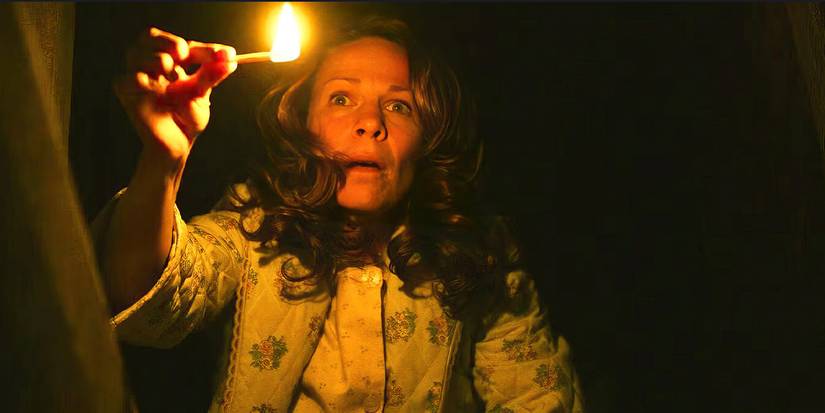
Picture this: a happy family starting a new chapter in their lives, moving into their giant, beautiful, rural home that is suspiciously within their limited budget. A classic start to a horror movie where everything is about to go to Hell – quite literally. This is how The Conjuring begins: The Perron family, a middle-aged couple and their five young daughters, are laughing and teasing each other on a sunny afternoon, picking out their rooms and joyfully sweeping the dust from the corners. There was never a happier family.
All this wholesome fun is bolstered by The Zombies’ “Time of the Season,” which emphasizes the light-hearted essence of the scene. Written during the Summer of Love and released in 1968, the song embodies the feeling of the ‘60s, the decade in which the movie is set. This dreamy, psychedelic track strongly implies that Everything is Going to Be Okay, which, of course, is far from the truth. Unbeknownst to the Perrons and The Zombies, there’s something deeply wrong about this wildly underpriced mansion.
5 "Sussudio" by Phil Collins in 'American Psycho' (2000)

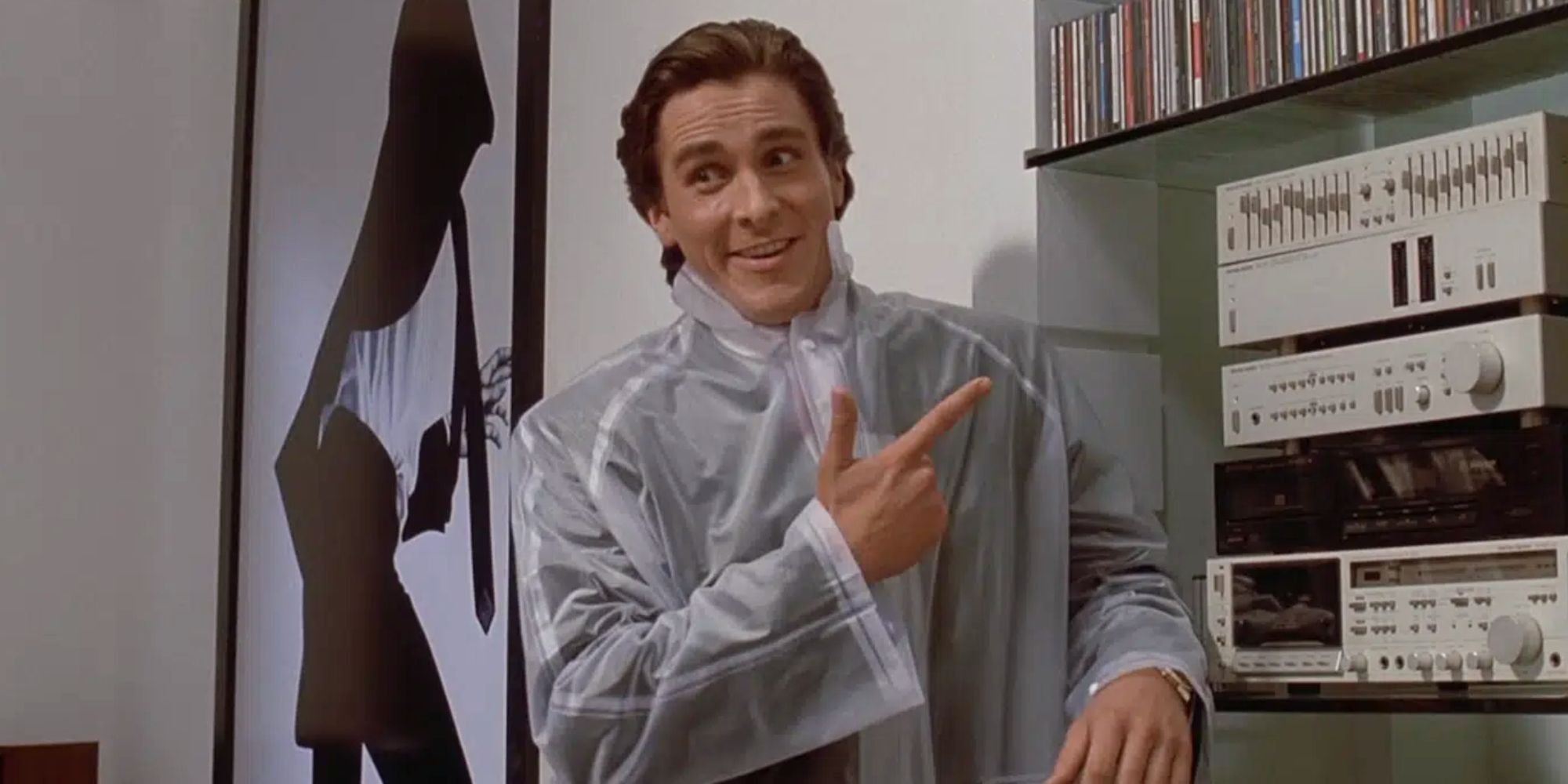
The iconic horror/comedy American Psycho is a cutting satire on consumerism and yuppie culture in the ‘80s. Every choice made in this film is intentional, structured to emphasize the superficiality and materialism of investment banker/ serial killer Patrick Bateman, played by Christian Bale. Using Phil Collins’ “Sussudio” in a scene where Bateman has two women over to his apartment works on multiple levels. It gives Bateman the opportunity to mansplain Phil Collins and Genesis to these women (who remain silent throughout the scene) as he orders them around and sets up for the violence that is to come. The track is upbeat, lighthearted, and distinctly ‘80s, loaded with synth and electronic beats.
“Sussudio” was an extremely popular track when it was released in 1985, reaching number one on the Billboard Hot 100 and frequently featured on MTV. It is the perfect choice for someone like Bateman (who calls the song a “personal favorite”) to emphasize his belief in his god-given superiority, despite being just another cog in the corporate machine. According to Phil Collins, the lyrics of “Sussudio” are about a schoolboy’s crush on a classmate, which makes the song’s inclusion all the more creepy as it plays over Bateman’s superfluous violence and misogyny.
4 "American Girl" by Tom Petty and the Heartbreakers in 'The Silence of the Lambs' (1991)

“American Girl” by Tom Petty and the Heartbreakers was not initially successful upon its release in 1977. By the time The Silence of the Lambs came out in 1991, the song had become a huge hit and a rock classic – fast-paced, upbeat, and steeped in Americana. It makes perfect sense for a young woman to be blasting this track on the drive home from work, which is exactly what the character Catherine Martin does – right before the plot takes a very dark turn.
The song, familiar to so many, creates a false sense of security as Catherine drives. Little does she know, serial killer Buffalo Bill has been following her the whole time, waiting for the perfect moment to strike. When she pulls into the lot at her apartment, Bill is there waiting. He quickly lures Catherine into his van and abducts her, setting the plot of the film into motion. Suddenly, the happy country rock hit takes on a much more sinister vibe. Decades later, it would be the last song Tom Petty performed before his tragic and unexpected passing.
3 "Violet" by Hole in 'Jennifer's Body' (2009)

“Violet” is the lead track on Hole’s 1994 album Live Through This – it sets the passionate, fervently feminist tone of the record. Frontwoman Courtney Love wrote the song about her toxic and tumultuous relationship with Billy Corgan of Smashing Pumpkins, and some critics think a few of the lyrics allude to her late husband Kurt Cobain. The song has strong themes of rage, revenge, and redemption, as well as violence against women’s bodies, which aligns very closely with the plot of horror/comedy cult classic Jennifer’s Body. Including a Hole song in this film is pretty much obligatory – the title is directly lifted from another song off the same album. Screenwriter Diablo Cody is a huge fan of the band, and their music has a heavy influence on the movie.
“Violet” begins playing as a lightly possessed Needy, the main character of the film, busts through a chain-link fence and escapes from prison. The credits begin to roll, but the film isn’t over quite yet. Home video-style clips play behind the credits, depicting fictional satanic indie band Low Shoulder partying in a hotel room. Suddenly, the videos become bloody and violent – Needy has arrived to take her revenge, both for herself and her late best friend. “Violet,” in all of its frantic and chaotic beauty, makes this scene exponentially more interesting. It also contrasts perfectly against Low Shoulder’s intentionally boring and unoriginal song, “Through the Trees,” that plays recurrently throughout the film. This song and this movie are a match made in heaven… or, more appropriately, a match made in Hell.
2 "Beware of Darkness" by George Harrison in 'Weapons' (2025)

The opening scene of the 2025 horror film Weapons is one of the best of all time. When the clock strikes 2:17 AM, (nearly) an entire class of third-graders inexplicably rise from their beds. All across town, these children walk out their front doors and begin to run through the darkness, arms held straight out from their bodies. It is a chilling and mysterious scene, immediately pulling the viewer deep into the world of the movie. As these kids dart through the night, George Harrison’s “Beware of Darkness” begins to play.
“Beware of Darkness” is from Harrison’s 1970 triple album All Things Must Pass, his first record post-Beatles. The album is strongly influenced by his spirituality and involvement with Radna Krishna Temple, a Hindu religious society. “Beware of Darkness” is rooted in his spiritual beliefs – the lyrics warn against the allure of material things, negative thoughts, and political manipulation and corruption. It is a reminder to remember your true purpose in life, whatever that may be. The track fits the chilling departure of the children impeccably due to its ominously on-the-nose lyrics and lullaby-esque tone – one of many flawless choices made by talented director Zach Cregger in the making of Weapons.
1 "I Got 5 On It" by Luniz ft. Michael Marshall in 'Us' (2019)

“I Got 5 On It” is the most creative horror movie song choice of all time – for a plethora of reasons. The song is used many times throughout Jordan Peele’s Us, employed as a technique known as a “leitmotif,” which means short recurring musical phrase used in a narrative work to emphasize a theme. There are three versions of the song used in the film: the original version, which plays on the radio as the Wilson family drives to their vacation home, the “Tethered Version,” a skittery, slowed-down iteration that can be heard when the doppelgänger family shows up in the middle of the night, and “Pas de Deux,” a ballet-infused remix that plays in the background during the fight scene between Adelaide Wilson and her doppelgänger, Red (both played by Lupita Nyong'o.) Each version is tailored to fit the scene and emphasize the terror this movie evokes.
“I Got 5 On It” is a ‘90s Bay Area stoner anthem, which makes sense for the Northern California-set film. The track is laid back and groovy, perfect for chilling out and letting the good times roll – a great track for a beach vacation. But beneath its sunshiny facade, Jordan Peele sensed something else. In an interview with Entertainment Weekly, Peele shared: “I feel like the beat in that song has this inherent cryptic energy, almost reminiscent of the ‘Nightmare on Elm Street’ soundtrack.” This “cryptic energy” is enhanced in the two remixed versions of the song, creating a deliciously unsettling vibe. Along with the energy of the track, the lyrics also align with the movie’s plot. The song describes two dudes going halfsies on a dime bag of weed – two halves coming together to make a whole… like how each character and their tethered doppelgänger share a single soul. Is that not the coolest thing ever? Kudos, Jordan Peele.
KioskNews shows a cleaned-up reading view extracted from the publisher’s page — the original always lives on their site, not ours.