PIL says Vimal promotes pan masala in guise of elaichi ads, Madras High Court dismisses it
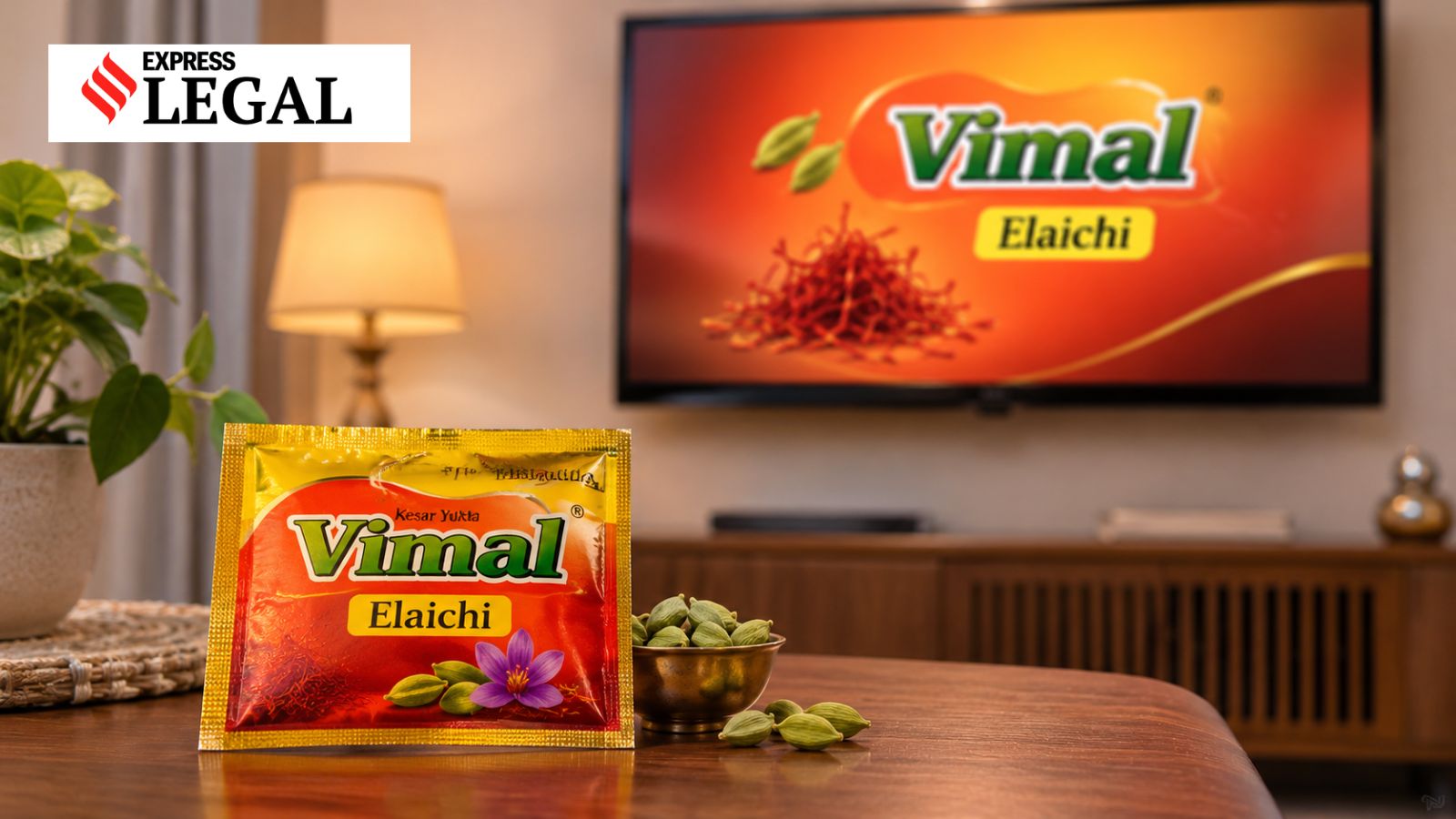
The Madras High Court has dismissed a Public Interest Litigation (PIL) seeking action against the makers of the “Vimal” brand for allegedly airing surrogate advertisements for pan masala under the guise of promoting its cardamom product, Vimal Elaichi.
The man who filed the PIL argued that the advertising campaign, featuring three well-known film actors across television, print, social media and hoardings, was allegedly a front to promote Vimal Pan Masala and violated several food and relevant laws.
However, Chief Justice Sushrut Arvind Dharmadhikari and Justice G Arul Murugan declined to intervene, observing that whether an advertisement is surrogate depends on facts such as the product’s sale, packaging, marketing and the advertiser’s intent. “The allegation that the advertisement is surrogate is a question of fact. The answer depends on whether the advertised product is genuinely sold, how it is packaged and marketed, what the advertisement says and shows, and what the advertiser intended,” the order said.
The high court was hearing the plea filed by a man who claimed that the advertisements for Vimal Elaichi are a “disguised way” of promoting Vimal Pan Masala.
What Is Surrogate Advertising?
Promoting a product that cannot be advertised openly - without ever naming it
Surrogate advertising is the strategy of advertising a product that cannot be advertised openly, by building the brand through other means.
HOW IT WORKS
STEP 1 - THE RESTRICTION
The actual product cannot be advertised openly, so advertisers look for an indirect route
STEP 2 - BRAND BUILDING
Advertisers create ads that help build the brand - rather than promote the restricted product itself
STEP 3 - CELEBRITY APPEAL
These ads often feature popular celebrities - all without naming the actual product being indirectly advertised
The product is never named. The brand is never forgotten.
‘Hard to believe company spends so much to sell cardamom’
The man claimed that the manufacturer advertised Vimal Elaichi on television, in print, on social media and through hoardings, featuring three well-known film actors. He argued that the Vimal brand was primarily associated with Pan Masala and that it was difficult to believe a company would spend so much on advertising cardamom.
He alleged that the campaign was a surrogate advertisement and violated the Food Safety and Standards Act, 2006, the Consumer Protection Act, 2019, the Cigarettes and Other Tobacco Products Act, 2003, and other relevant laws. He sought directions for an inquiry and action against the manufacturer, as well as an order asking it to stop the advertisements.
 Chief Justice Sushrut Arvind Dharmadhikari and Justice G Arul Murugan noted that the petitioner’s PIL largely relied on claims he had been “advised” of or had “learnt through social media”.
The man was represented by senior advocate Santhosh Paul, who relied on media reports. He submitted that the Maharashtra Food and Drug Administration had issued show-cause notices to the three actors in August 2026 over advertisements that allegedly linked Vimal Elaichi with Vimal Pan Masala, which was prohibited in Maharashtra.
Story continues below this ad
‘No guesswork in PIL’
The Madras High Court noted that a Public Interest Litigation is an “extraordinary legal remedy” designed to help those unable to approach the court themselves. It added that the PIL demands rigorous and credible material rather than “mere guesswork”.
It added that action cannot be taken based on “speculation, internet rumours, or unverified news reports lacking proper foundational research”.
The court pointed out that the Food Safety and Standards Act, the Consumer Protection Act and other laws cited already empower the competent authorities to examine such matters, hear the advertiser and take a decision. “We cannot declare the campaign surrogate on the basis of the affidavit filed by the petitioner, without any concrete substantiating material,” it added.
The court noted that the petitioner had acknowledged that Elaichi (cardamom) is a recognised food product registered with the FSSAI and that no law prohibits its advertisement. He also admitted that he found no gutka or tobacco product sold by the manufacturer under the Vimal brand.
Story continues below this ad
However, the court observed that the petitioner sought an inquiry merely on the ground that the possibility of such a product being sold “cannot be ruled out”. “On that footing, he wants this court to order an inquiry under the tobacco law as well. A writ court does not order inquiries on the chance that something may turn up,” it added.
The court held that it could not declare the campaign a surrogate advertisement solely on the petitioner’s affidavit without concrete supporting material.
KioskNews shows a cleaned-up reading view extracted from the publisher’s page — the original always lives on their site, not ours.