Safer chemotherapy for penile cancer: Tata Memorial trial finds new treatment
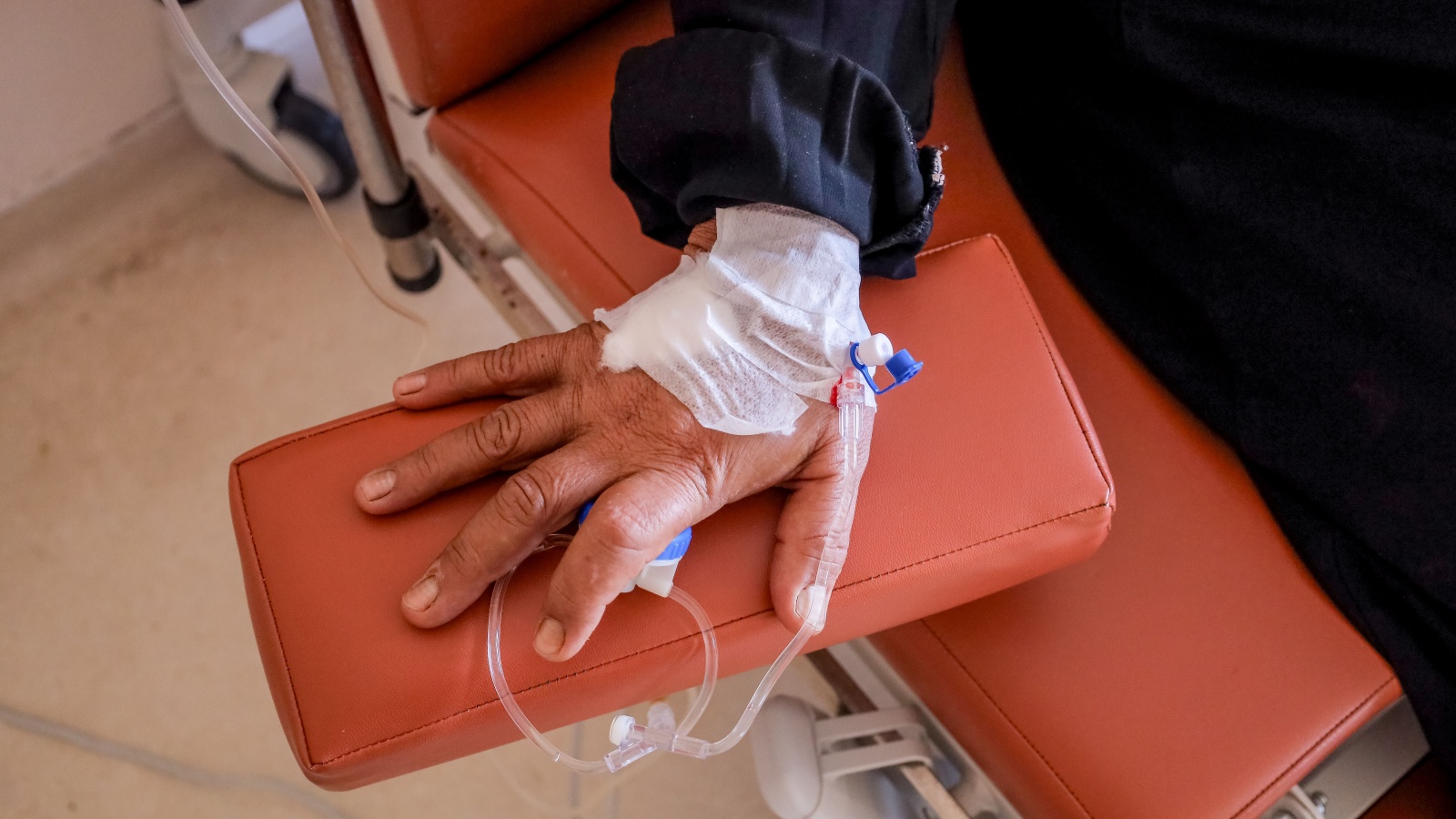
A small clinical trial by doctors at Mumbai’s Tata Memorial Centre has found that a chemotherapy drug combination was easier for patients with high-risk penile cancer to tolerate than commonly used chemotherapy treatments.
Chemotherapy uses medicines to kill cancer cells or stop them from growing and penile cancer needs early treatment lest it spreads to lymph nodes in the groin.
The trial compared paclitaxel against 5-FU (fluorouracil), both of which were given with a platinum drug. Patients who received paclitaxel had fewer serious side effects, fewer treatment-related hospitalisations and were more likely to complete all four planned rounds of chemotherapy. However, the study was too small to establish whether paclitaxel was better at preventing the cancer from returning or helping patients live longer. The findings from the BACuP trial have been published in the Journal of the National Cancer Institute.
“Penile cancer is a rare cancer, and because of this, there is a lack of high-quality evidence to guide treatment,” said Dr Vanita Noronha, lead author of the paper and professor and medical oncologist at Tata Memorial Hospital, Mumbai. “There have not been any randomized studies evaluating chemotherapy regimens in penile cancer to date,” she said.
Why was the study needed?
Most earlier research on chemotherapy for penile cancer has looked back at patients who had already received different treatments. Doctors had not randomly assigned patients to different treatments, making such studies more vulnerable to bias.
“Treatment of patients was based on retrospective and observational studies which are low-quality evidence and prone to multiple biases,” Dr Noronha said. “Hence, we decided to attempt to conduct a randomised study to help understand the optimal chemotherapy regimen in men with penile cancer who had undergone surgery and were at high risk of the disease recurring,” she added.
What makes penile cancer high-risk?
Penile cancer is rare, accounting for less than one per cent of cancers in men worldwide. India reported 16,677 new cases in 2020, the highest number globally that year, according to the study. The cancer usually begins in the skin or lining of the penis and is most often a type called squamous cell cancer (happens in the outer layer of the skin). When found early, it can often be successfully treated with surgery.
Story continues below this ad
The disease is considered particularly high-risk when the cancer has reached the pelvic lymph nodes, when it has grown outside a lymph node, or when a cancerous lymph node is at least 4 cm across. Chemotherapy given after surgery is intended to destroy cancer cells that may remain in the body but are too small to be seen on scans. This is known as adjuvant chemotherapy.
What drugs did patients receive?
The 49 men in the trial were randomly divided into two groups. One group received 5-FU plus a platinum drug. The other received paclitaxel plus a platinum drug.
While Paclitaxel interferes with the machinery cancer cells need to divide and multiply, 5-FU interferes with the way cells make and use DNA, which stops rapidly growing cancer cells from multiplying. The platinum drugs damage the DNA of cancer cells, making it difficult for them to grow and divide. Both groups were scheduled to receive four rounds of treatment, three weeks apart.
All participants were under 70 and had undergone surgery for penile cancer that had spread to lymph nodes and had at least one feature associated with a high risk of the cancer returning.
Story continues below this ad
Paclitaxel caused fewer serious side effects
The biggest difference between the treatments was in their side effects. Serious treatment-related side effects occurred in 77.3 per cent of patients receiving 5-FU and a platinum drug, compared with 40.9 per cent of those receiving paclitaxel and a platinum drug.
Serious blood-related problems occurred in 54.5 per cent of patients in the 5-FU group, compared with 4.5 per cent in the paclitaxel group. Serious digestive problems, including vomiting and diarrhoea, occurred in 40.9 per cent of patients receiving 5-FU and a platinum drug, compared with 4.5 per cent receiving paclitaxel and a platinum drug.
Nearly half, 45.5 per cent, of patients in the 5-FU group had to be admitted to hospital because of treatment-related side effects. The figure was 9.1 per cent in the paclitaxel group.
Paclitaxel was also easier to administer. 5-FU usually has to be given continuously through a vein over several days, sometimes using a pump. Paclitaxel can generally be given as an intravenous infusion in a day-care or outpatient setting.
Story continues below this ad
More patients completed treatment
About 83 per cent of patients receiving paclitaxel and a platinum drug completed all four planned rounds of treatment, compared with 48 per cent of those receiving 5-FU and a platinum drug. Patients in the 5-FU group also needed more medicines to increase their white blood cell counts and more reductions in their chemotherapy doses.
The researchers also looked at how long patients remained free of cancer and how long they survived. Patients receiving paclitaxel and a platinum drug remained free of cancer for a middle period of 19.6 months, compared with 12.4 months in the 5-FU group. The middle survival time was 36.7 months and 21.3 months, respectively.
But these figures cannot establish that paclitaxel improves survival. The study was small and was not designed to give a definite answer on which treatment controls the cancer better.
“The interpretation from the study should be that paclitaxel-platinum is safer and leads to fewer side-effects than 5FU-platinum; leads to fewer severe toxicities that require hospitalization for management, and higher treatment completion rates,” Dr Noronha said.
Story continues below this ad
Earlier diagnosis remains important
Dr Noronha said the findings should encourage earlier recognition of penile cancer in India. Men with penile sores or other changes that do not go away, a tight foreskin, bleeding, discharge, or a wound or lump that does not heal should have an early medical examination rather than being repeatedly treated for a presumed infection, she said.
Cancer can spread to the groin lymph nodes even when they do not appear enlarged during an examination. “Nodal involvement is the strongest determinant of survival and delayed treatment is associated with substantially worse outcomes,” Dr Noronha said.
KioskNews shows a cleaned-up reading view extracted from the publisher’s page — the original always lives on their site, not ours.