India amongst lowest scoring nations in integrating health into NDCs, analysis finds
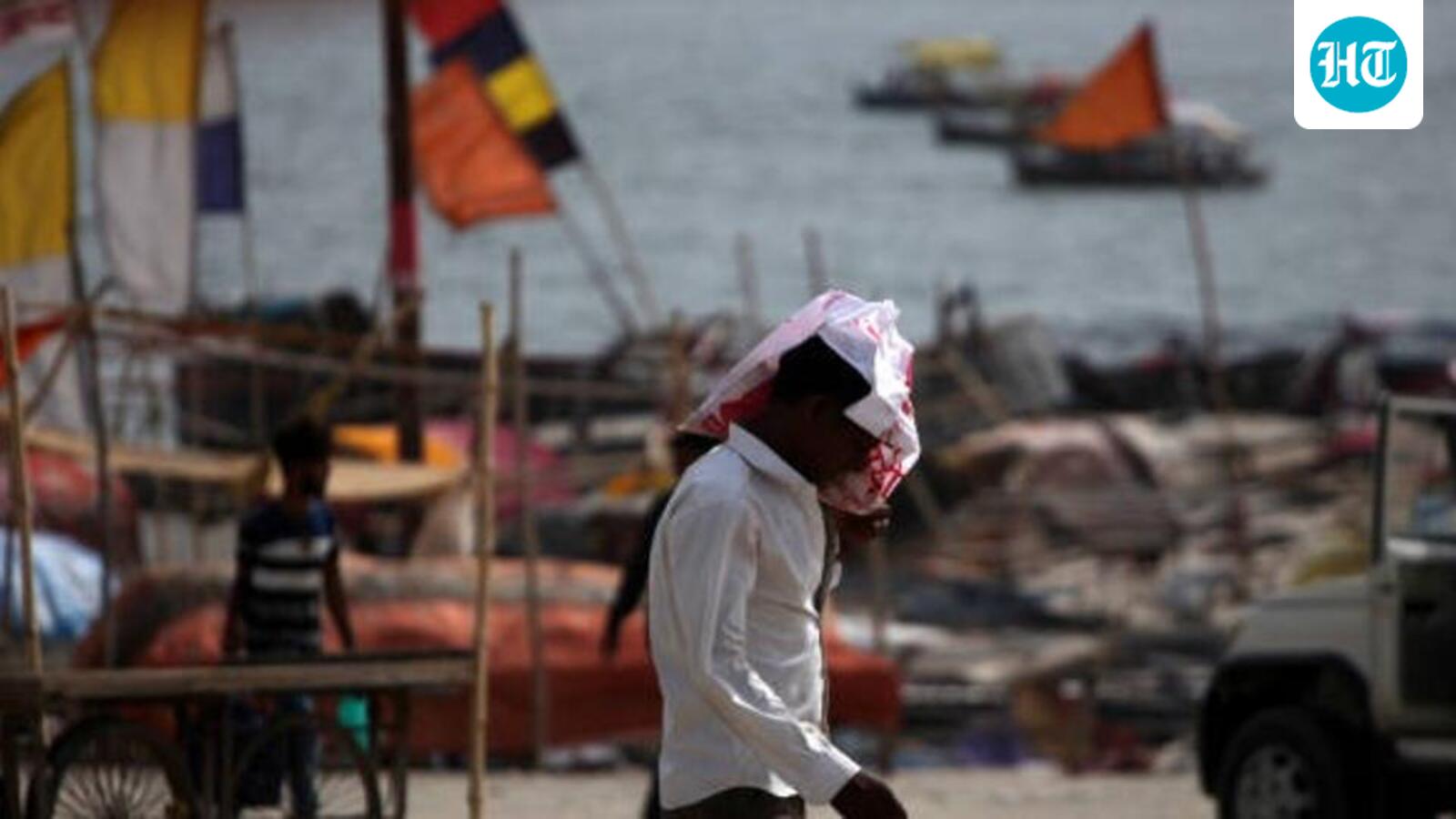
Ahead of COP31 next month, a new global assessment of how countries integrate health into their Nationally Determined Contribution (NDC) has ranked India and Japan among the lowest performers, with both scoring just two out of 32 points. The 2026 Healthy NDC Scorecard by the Global Climate and Health Alliance, released on Wednesday, evaluated 117 national climate plans covering 132 countries, finding that India’s climate commitment does not meaningfully address health impacts and health co-benefits, or mention air pollutants despite the country’s high air-pollution death rate.
Scorecard Rankings and Assessment
The scorecard covers eight categories, including health impacts, air pollution, health-sector action and climate finance. Colombia topped the ranking with 29 of 32 points, followed by Nigeria (25) and Cambodia (24). Nineteen of the top 20 scores were secured by low- and middle-income countries, it found.
Also Read: Ahead of COP31 next month, what has India committed to and what does it expect?
India’s Climate Commitment and Health Impacts
The assessment said India’s national climate commitment recognises health as a vulnerable sector but does not meaningfully address health impacts or the health benefits of climate action. It also noted that India’s NDC does not mention air pollutants, despite the country’s high air-pollution death rate. Climate Action Tracker assesses India’s NDC as being consistent with a pathway to less than 3°C of warming, it said. “India’s limited discussion on health is reflected in its emissions reduction ambition, which is insufficient to protect health. The NDC does not mention air pollutants, which is notable given the high air pollution death rate,” it said.
India’s latest climate commitment has come through its updated NDCs (3.0) for 2031-35, which were approved by the cabinet in March this year. Under it, the country has committed to reducing the emissions intensity of its GDP by 47% by 2035 from 2005 levels, increasing cumulative installed electricity capacity from non-fossil fuel sources to 60%, and creating an additional carbon sink of 3.5-4 billion tonnes of CO2 equivalent through forest and tree cover, compared with the 2005 baseline.
Also Read: At COP31, climate finance must deliver
Black Carbon and Global Climate Action
The analysis also flagged limited action globally on black carbon, a pollutant that contributes to both global heating and air pollution. Only five countries – Cambodia, Chile, Colombia, Costa Rica and Paraguay – have set targets to reduce it, the assessment found.
“The highest present and historical emitters must mitigate fastest to maximise health co-benefits domestically and prevent escalating health impacts of climate change globally. Developed countries must also provide finance in line with the Paris Agreement to enable developing countries to fully implement their national climate plans to protect their people,” said the assessment.
KioskNews shows a cleaned-up reading view extracted from the publisher’s page — the original always lives on their site, not ours.