India’s Rahul Gandhi takes on Modi, but can grass-roots defiance win votes?
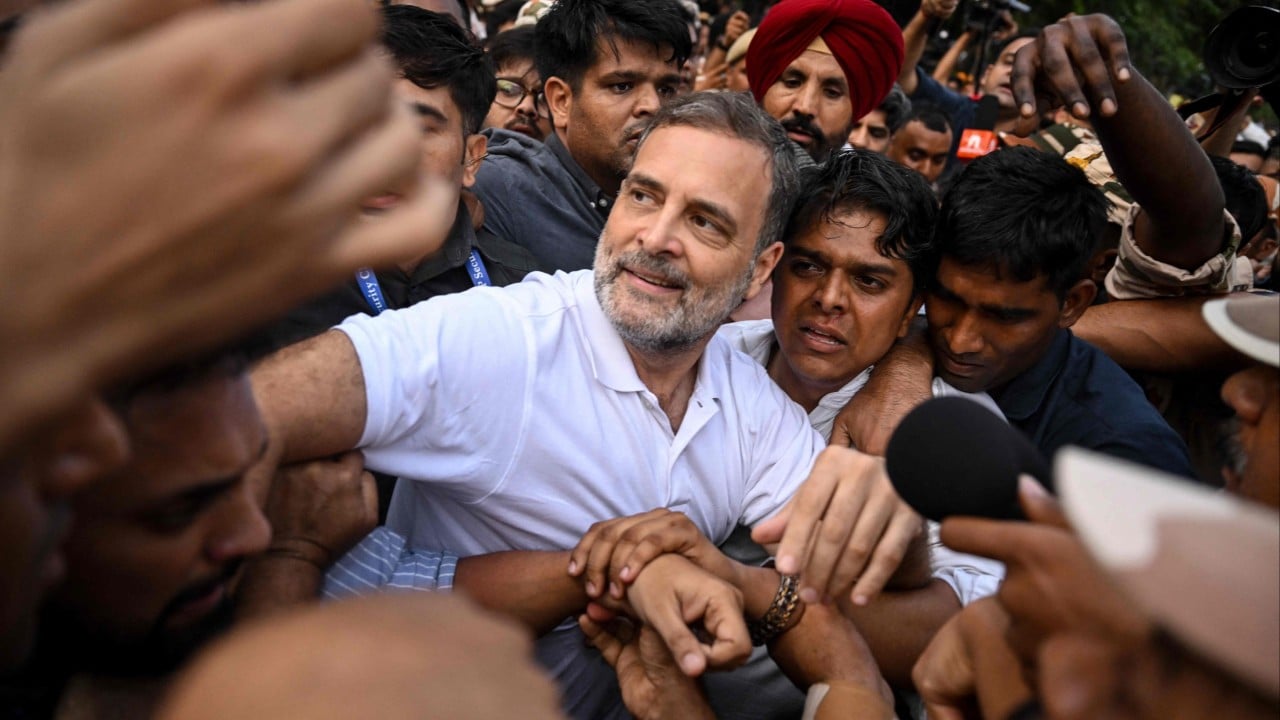
In recent weeks, Indian opposition leader Rahul Gandhi has frequently taken to the streets – joining protest marches, staging sit-ins at police stations and confronting authorities over alleged abuses of power and corruption.
Often trading the formal attire traditionally worn by India’s political elite for a T-shirt and jeans, Gandhi’s high-visibility participation in grass-roots demonstrations has drawn wide attention as he seeks to place himself at the forefront of a growing movement of opposition parties and young activists.
His Congress party is preparing to lead a major opposition rally on Sunday against alleged arbitrary deletions from electoral rolls, supported by the youth activist movement Cockroach Janata Party.
But more than two decades after he first entered parliament, the 56-year-old scion of the storied Nehru-Gandhi dynasty – which produced three prime ministers in his great-grandfather Jawaharlal Nehru, grandmother Indira Gandhi and father Rajiv Gandhi – has yet to reach the country’s highest office.
The question analysts and voters are asking is whether his street-level activism can translate into the broad electoral support needed to mount a viable challenge against Prime Minister Narendra Modi.
According to a late-August “Mood of the Nation” survey conducted by India Today and C-Voter, Modi remains the clear first choice for prime minister with 48.7 per cent support, while Gandhi trails at 27.1 per cent.
Modi’s approval on the question dropped nearly six percentage points from 54.7 per cent in January, but analysts say Gandhi faces a steep uphill climb in turning street mobilisations into electoral gains against Modi’s ruling Bharatiya Janata Party (BJP), now in its third straight term.
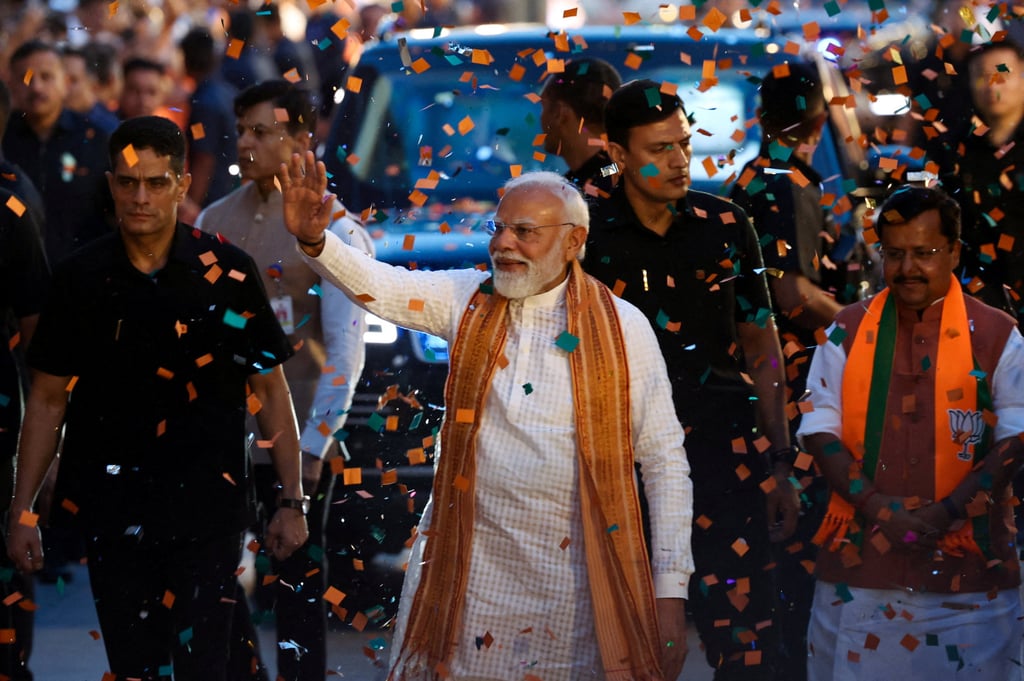
Yashwant Deshmukh, founder of polling agency C-Voter, said Gandhi’s ground-level campaigning had helped re-establish his standing as India’s pre-eminent opposition figure after a series of bruising state election defeats in areas such as Delhi, Bihar, Maharashtra and West Bengal.
“His mission was to regain the halo of main opposition leader. He was losing that,” Deshmukh said.
But dislodging Modi remains a distant prospect.
“For that, he has to succeed in bringing BJP voters into the Congress fold. That is not yet happening,” Deshmukh said, adding that the opposition must focus on bread-and-butter economic concerns such as youth unemployment and inflation rather than voter roll revisions, which fail to resonate because large sections of the public support initiatives to filter out illegal immigrants.
“What the Congress party needs to do is remain in full-time agitation mode, which is what Rahul Gandhi is now trying to do. It has to be picking economic issues that count with people 24/7,” he said.
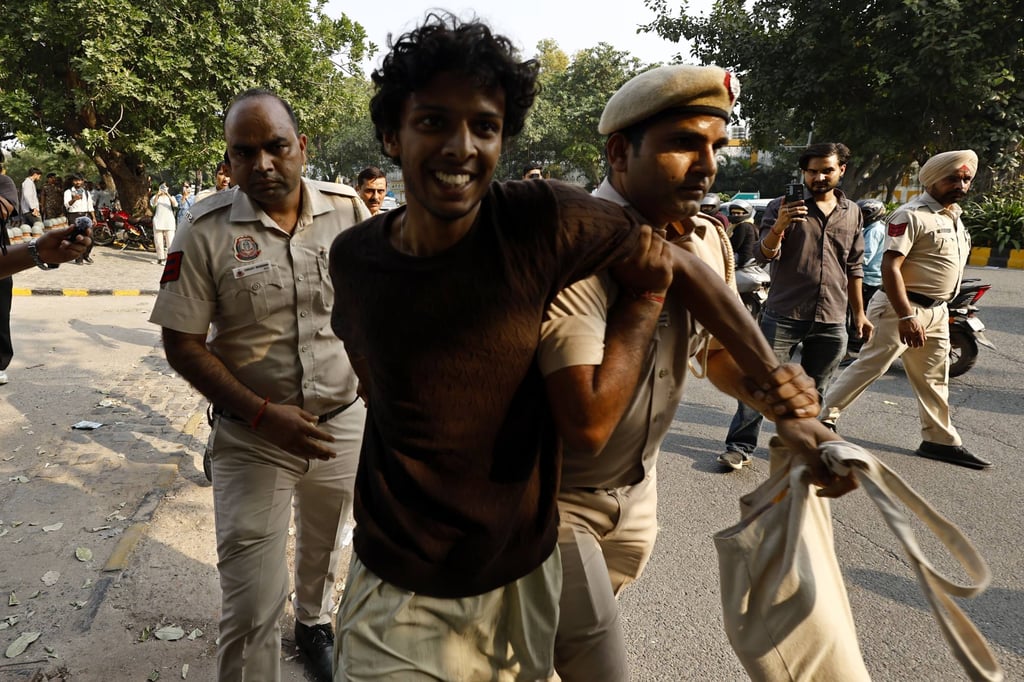
Earlier this week, Gandhi accused the government of “criminally destroying” the revered Tata Group amid an executive leadership dispute, alleging that Indian businesses outside a select circle of favoured cronies harbour deep distrust towards the administration.
The charge provoked a sharp response from Finance Minister Nirmala Sitharaman, who accused him of politicising routine corporate affairs and “seeing ghosts everywhere”.
Harsh Ramaswamy, an independent political commentator, noted that Gandhi’s willingness to confront the government head-on had helped strip away a previously damaging image – pushed by BJP supporters – that dismissed him as “Pappu”, a derogatory Hindi term implying political naivety.
“One thing people are saying is that Gandhi speaks with facts and is unlike other politicians,” Ramaswamy said.
The Congress leader has found support with voters who feel India’s democratic institutions are under threat.
“However, this is not yet translating into votes,” Ramaswamy said.
Ramaswamy pointed to elections held earlier this month for 28 seats across the upper legislative councils of Uttar Pradesh, Maharashtra, Bihar and Karnataka, in which the BJP-led alliance won 16 seats – though these state-level polls rarely reflect national voting trends.
A better gauge of national sentiment will arrive with state assembly elections over the coming year in Uttar Pradesh, Gujarat and Punjab.
During the general elections, Congress achieved an unexpectedly strong showing in states like Uttar Pradesh by stitching together tactical regional alliances. Analysts say Gandhi will need to consolidate those regional pacts effectively to curb the BJP’s electoral machinery ahead of the 2029 national election.
Ramaswamy added that Gandhi’s casual, populist image presented a double-edged sword against a legacy where his family was renowned for an erudite, elite bearing.
“The Nehru-Gandhi family have been respected for their presentation. They have always been well-dressed and had a certain appeal that conveyed that they are elites,” Ramaswamy said.
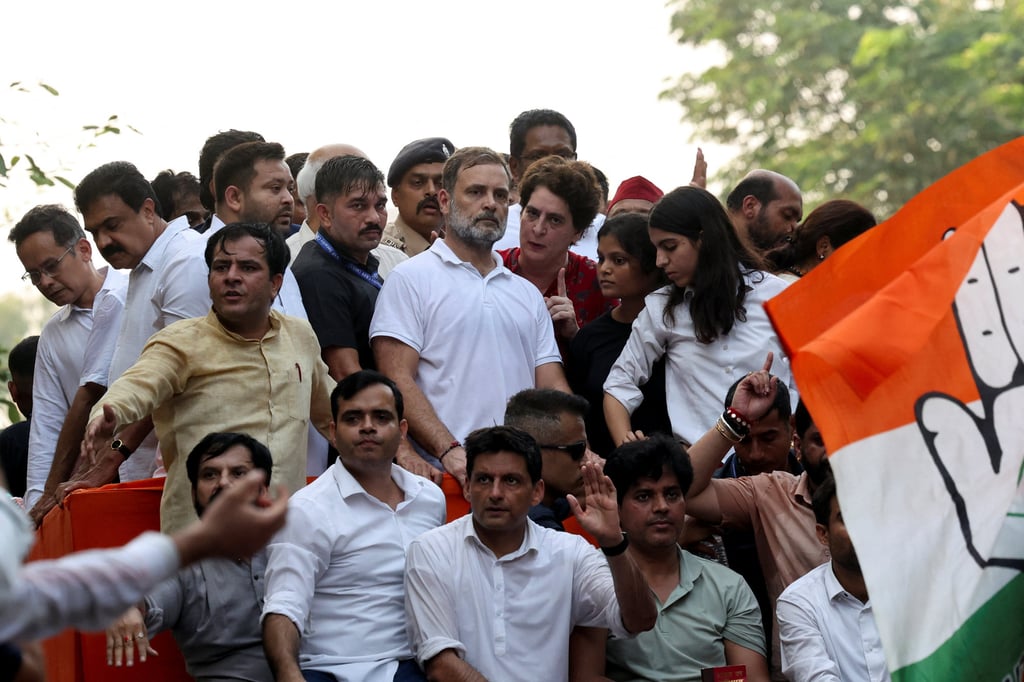
Supporters counter that Gandhi – who holds a master’s degree in development studies from Trinity College, Cambridge – combines intellectual credentials with sound physical health, presenting a modern alternative for national leadership.
Kingshuk Nag, author and independent political commentator, said that while Gandhi’s forthright style was an asset, organisational deficiencies continued to weigh him down.
“The main problem for Gandhi is that he does not seem politically strong because his own Congress party is not strong,” he said.
While the Indian National Congress nearly doubled its parliamentary presence to 99 seats from 52 in the lower house (Lok Sabha), the BJP continues to command a dominant lead with 241 seats in the 543-member chamber.
KioskNews shows a cleaned-up reading view extracted from the publisher’s page — the original always lives on their site, not ours.