Brain is two separate organs? Stanford scientists track two cell lineages in new study
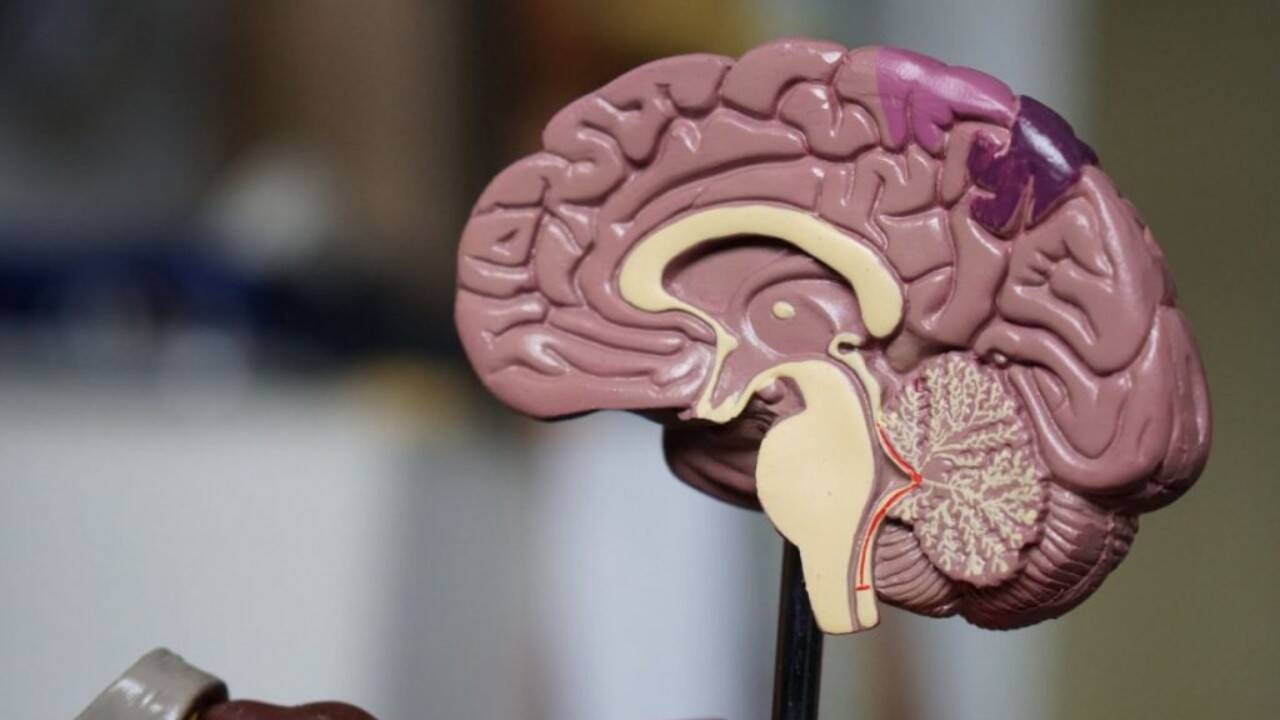
Not one, but two? Stanford University scientists find the brain is two separate organs
For centuries, we’ve pictured the brain as one big, complicated control center: the place where everything from breathing and memory to creativity and consciousness gets wired together.
But new research out of Stanford School of Medicine suggests the story is a lot weirder and older than we thought. Their scientists discovered the human brain isn’t the product of one single cluster of cells. Instead, it develops from two separate groups, each charting an independent course early in the embryo’s life. In other words, when it comes to origins, your brain’s a patchwork, not a monolith.That’s a big shift in understanding, and it does more than rewrite textbooks.
In fact, the study, published recently in Nature Neuroscience in September 2026, could have implications far beyond understanding human evolution. It might help scientists grow more specific brain cells in the lab and finally create accurate models for tough neurological diseases like amyotrophic lateral sclerosis (ALS) or spinal muscular atrophy (SMA).
A tale of two brain beginnings
Let’s break it down. The brain’s three broad regions (the forebrain, midbrain, and hindbrain) handle different things.
The forebrain is your high-level stuff: thought, language, reasoning. The hindbrain is much more primal, taking care of things you don’t think about, like your heartbeat or swallowing.Scientists used to think all these zones came from a single soup of neural cells. But the Stanford team, working with mouse embryos, found something else. They identified two distinct sets of early cells: one group destined to become the forebrain and midbrain (marked by a gene called Otx2), and another set (marked by Gbx2) that was headed for the hindbrain.What’s wild is, those groups don’t mix. DNA inside each set of cells “locks in” their destiny early on. Instead of starting out as one community that splinters into a dozen directions, the two brain tracks run in parallel from the start.
Forget two hemispheres; this is ancient biology
Now, before you imagine two mini-brains fighting for space in your skull, the headline needs context. This doesn’t mean your brain is split into two organs in adulthood; it’s still the singular, tightly connected command post we all know.
What’s really going on is, long before you or I were born, evolution combined two ancient nervous systems side by side. Over millions of years, they fused into the brain we recognize.And this has nothing to do with the “left brain, right brain” debate. Those refer to the two cerebral hemispheres, which work together for most things. This Stanford research is about the developmental front-vs-back of the brain, not left-vs-right.
A biological story stretching back 550 million years
Here’s the real mind-bender: this split pattern isn’t just a mouse thing. The researchers found the same dual-origin theme in chickens, zebrafish, and macaques. Digging deeper, they even spotted it in acorn worms, distant cousins to us but sharing a long-ago evolutionary ancestor. The best guess is that evolution started with two primitive neural systems and merged them, rather than inventing the modern brain out of thin air.
A ripple effect in medical research
So why does all this matter? Well, doctors and biologists have long struggled to grow certain hindbrain-specific nerve cells from human stem cells, which is a necessary step to study (or someday cure) diseases like ALS, which wipes out motor neurons controlling swallowing and breathing. The Stanford team tweaked their lab conditions based on this two-part recipe and finally coaxed stem cells into becoming working hindbrain neurons.
These cells fired off normal electric signals and produced the right proteins, making them as close as possible to the real thing found in a living brain.That opens new hope to study nerve disorders, test drugs, or understand what exactly goes wrong in diseases like SMA, which often leads to fatal motor neuron failure in babies, or ALS, which slowly robs people of movement and even life itself.
What the discovery proves (and doesn’t)
It’s tempting to think, “Great, we’ve discovered people actually have two brains.”
Reality is more nuanced. The adult brain is still one unit that works together. But evolution built it from two very distinct roots. The research focuses on embryonic development, such as what happens in the earliest stages, and relies mostly on animal models, though they’ve taken early steps in human stem cells too.The main takeaway: what looks like a single, seamless supercomputer in your head is actually a biological mash-up, born out of two ancient, separate systems that only later teamed up. If history had gone a little differently, who knows… maybe we’d have ended up with two brains, side by side. Instead, those two tales became one, and understanding that could change how we unlock the brain’s mysteries in labs and clinics for years to come.
KioskNews shows a cleaned-up reading view extracted from the publisher’s page — the original always lives on their site, not ours.