Fahmi: RM5b Jendela revamp to use Starlink, small cells to close Malaysia’s final 1pc Internet coverage gap
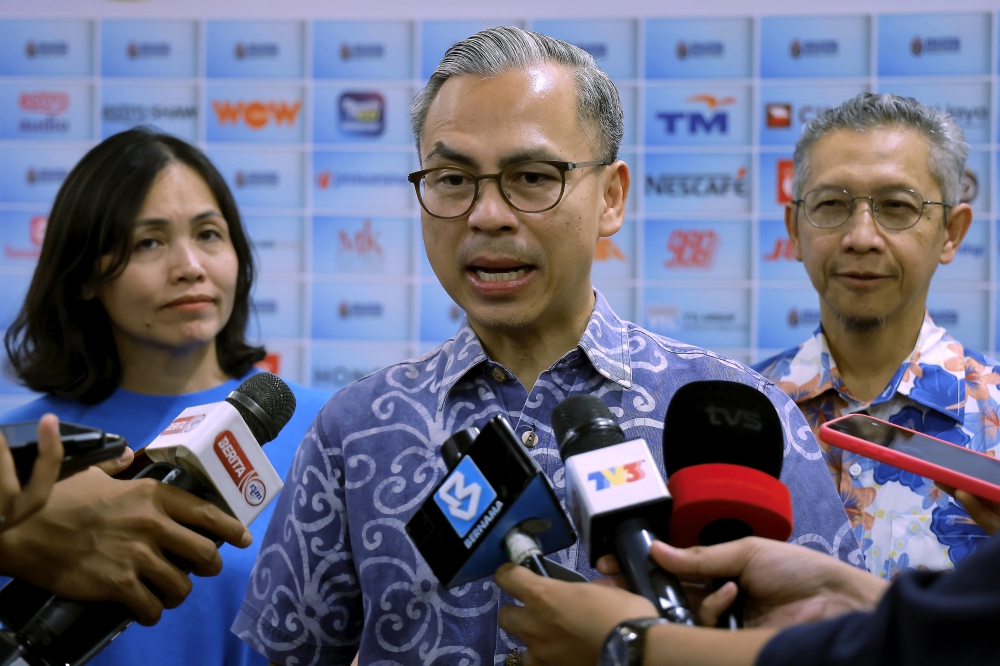

Communications Minister Datuk Seri Fahmi Fadzi said the strategic shift is backed by an allocation of RM5 billion over several years to ensure hard-to-reach rural areas are not left behind. — Bernama pic
First Published: Tuesday, 27 Oct 2026 8:50 AM MYT
KUALA LUMPUR, Oct 27 — The National Digital Network (Jendela) initiative is being modified to use alternative technologies such as Starlink and small cells to achieve 100 per cent Internet coverage in populated areas, says Communications Minister Datuk Seri Fahmi Fadzi.
He said the strategic shift is backed by an allocation of RM5 billion over several years to ensure hard-to-reach rural areas are not left behind.
“We might not build telecommunication towers everywhere. In some places, we will install Starlink, in others, small cells sufficient for the 40 to 50 people living there. The goal is to ensure 100 per cent coverage in populated areas, including the most remote locations.
“Building a tower is costly, so we will deploy solutions better suited to the community. As the community grows, we can upgrade the technology later,” he said when appearing as a guest on the Agenda AWANI talk show titled ‘Belanjawan 2027: Rapatkan Jurang Digital, Pacu Ekonomi Kreatif’ last night.
He said Internet coverage in populated areas has currently reached 99 per cent, and the remaining one per cent requires more practical solutions tailored to the size of local communities.
“We also noticed another issue. In many Felda settlements, the coverage is good, but once you get onto the trunk roads connecting these settlements to towns, there is often no signal.
“This poses a danger, so Jendela will focus on equipping such areas with coverage,” he said.
Apart from remote settlements, Fahmi said the restructuring of the Jendela initiative also marked a paradigm shift from solely focusing on Coverage of Populated Areas (COPA) to Economic Area Coverage.
He added that comprehensive connectivity would be bolstered by an RM142 million allocation to empower 1,099 National Information Dissemination Centres (NADI) nationwide.
However, he stressed that the high-speed Internet infrastructure provided by the government must go hand-in-hand with high digital literacy and security awareness among the public to curb cybercrime and online scams.
Meanwhile, Fahmi said the creative sector, also known as the orange economy, has tremendous potential to emerge as a key driver of the country’s economic growth.
He said the sector’s reported 6.8 per cent contribution to the Gross Domestic Product (GDP) proves its massive capability as a highly viable economic asset, particularly in animation, online gaming, and film.
“With this budget, the formation of the Orange Economy Council, and the growth rate of specific segments within the creative economy, the future of this sector is very bright.
“It forms a huge part of the national economy. The sectors showing the most vibrant growth and are easiest to export include animated films, online gaming, and e-sports,” he said.
He noted that Malaysia is among the most active countries in the animation sector and has become a hub for producing animation for foreign markets.
Fahmi also highlighted the success of five Malaysian animation studios that recently participated in the prestigious Annecy International Animation Film Festival in France, bringing home over RM250 million in investments with the support of the National Film Development Corporation Malaysia (FINAS). — Bernama
KioskNews shows a cleaned-up reading view extracted from the publisher’s page — the original always lives on their site, not ours.