Deaths, Defence, Inflation: What Drove Israel's Poll Highest Turnout Since 1999
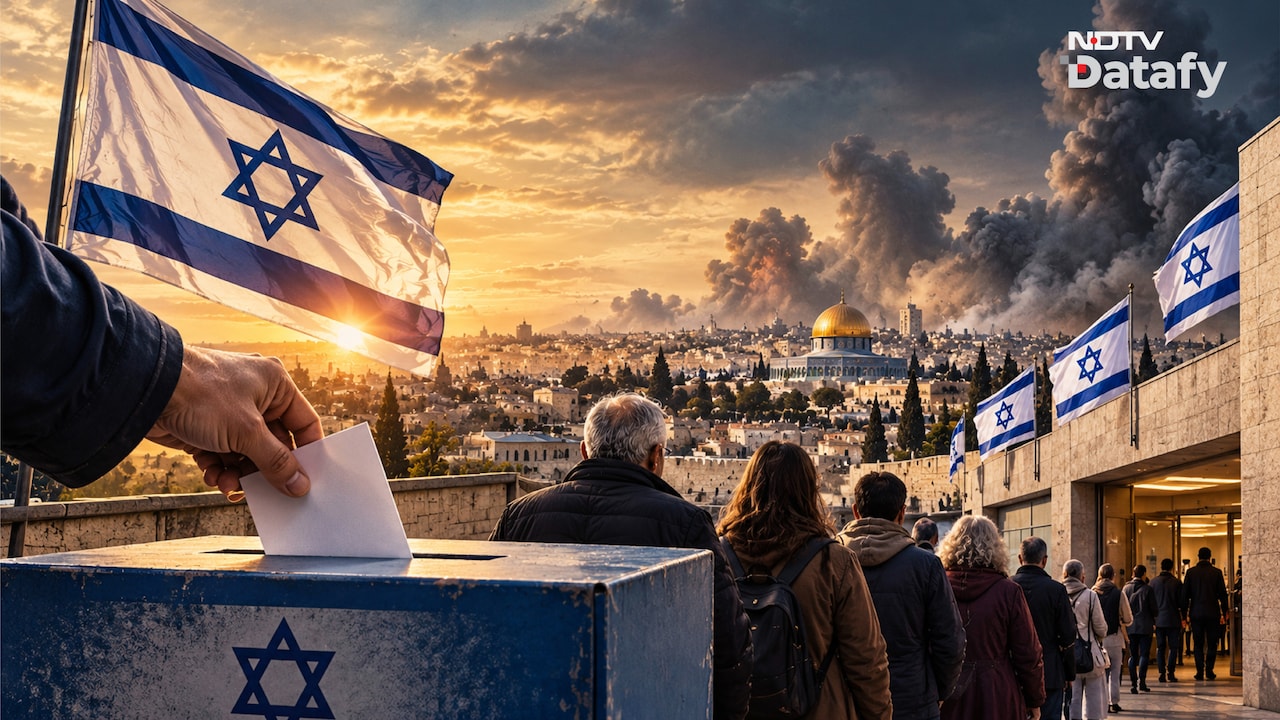
Israelis voted in huge numbers in their first general election since the Hamas attack of October 7 2023, pushing turnout to its highest level in nearly three decades. The vote took place against a backdrop of prolonged war, rising military spending and mounting cost-of-living pressures.
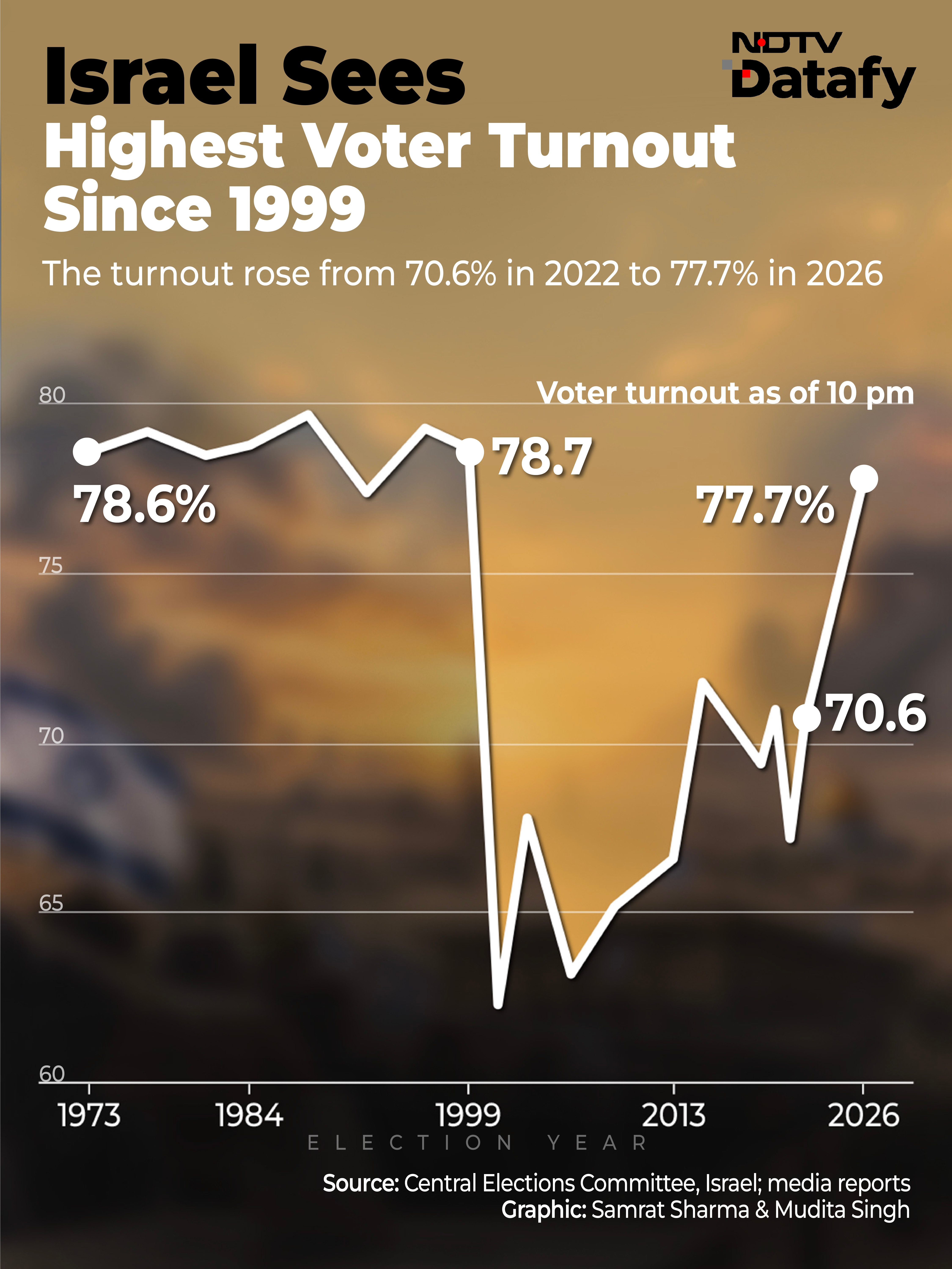
Highest Turnout In Decades
Turnout in the election for the 26th Knesset reached 77.7 per cent at 10 pm, the highest since 1999, when participation was 78.7 per cent. It was well above the 70.6 per cent recorded at the previous election in 2022, according to Israel's Central Elections Committee.
Lives Lost Since October 7
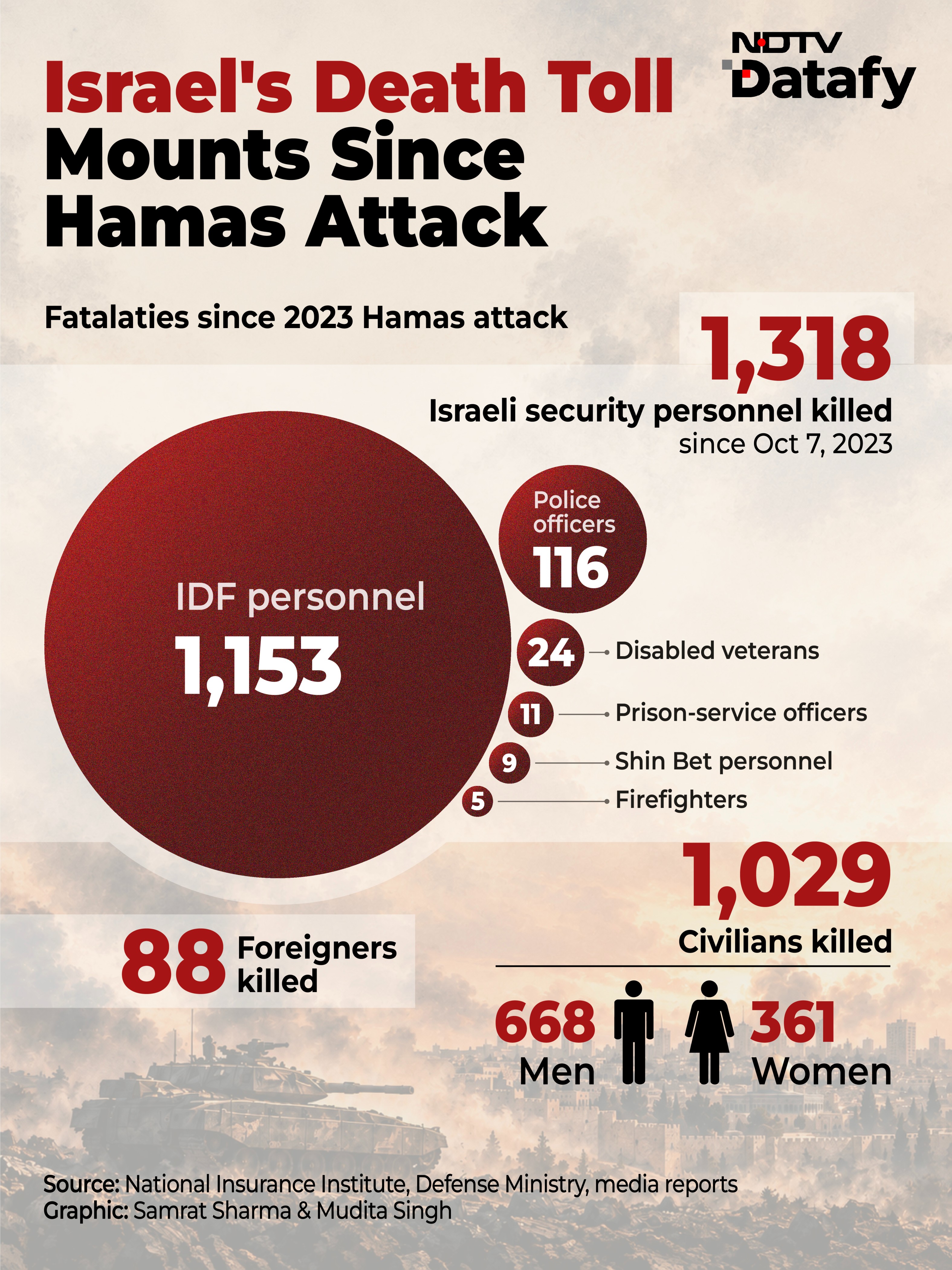
The Hamas attack of October 7, 2023 and the conflicts that followed have taken a heavy toll on Israel. Since then, 1,318 members of the security forces have died. They include 1,153 Israel Defence Forces personnel, 116 police officers, 11 prison service officers, nine Shin Bet personnel, five firefighters and 24 disabled veterans who later died from war-related injuries.
The conflict has also claimed the lives of 1,029 civilians, including 668 men and 361 women. Of the total, 88 were foreign nationals.
Steep Rise In Military Spending
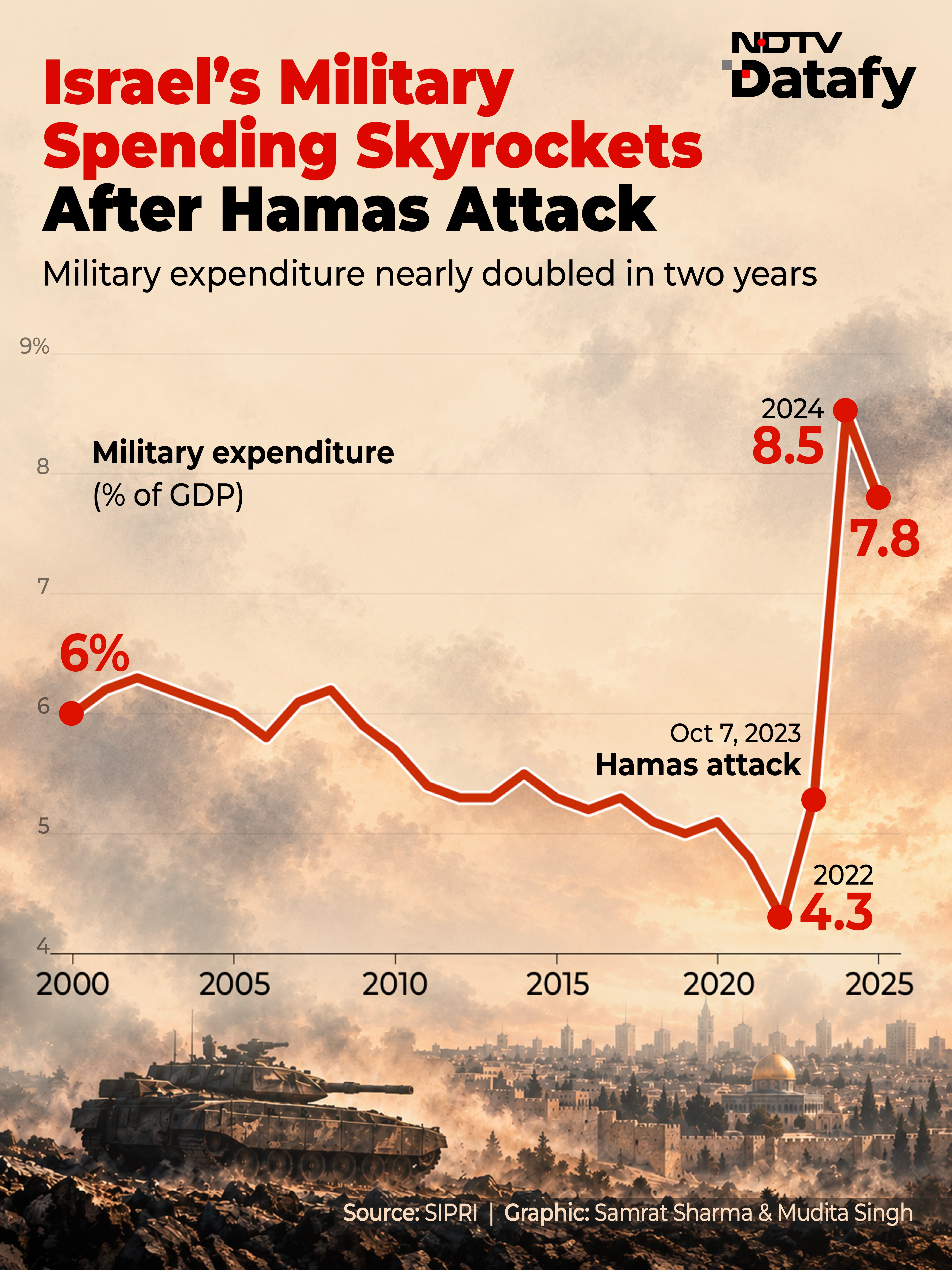
Israel's military spending rose sharply after the Hamas attack as the country expanded operations in Gaza and faced growing tensions with Iran and its regional proxies.
According to the Stockholm International Peace Research Institute, military spending rose from 4.3 per cent of gross domestic product (GDP) in 2022 to 5.3 per cent in 2023, before jumping to 8.5 per cent in 2024. The increase effectively doubled the defence burden on the economy within two years.
Rising Grocery Prices
The war's economic fallout, coupled with supply-chain disruption, has added to Israelis' cost-of-living concerns.
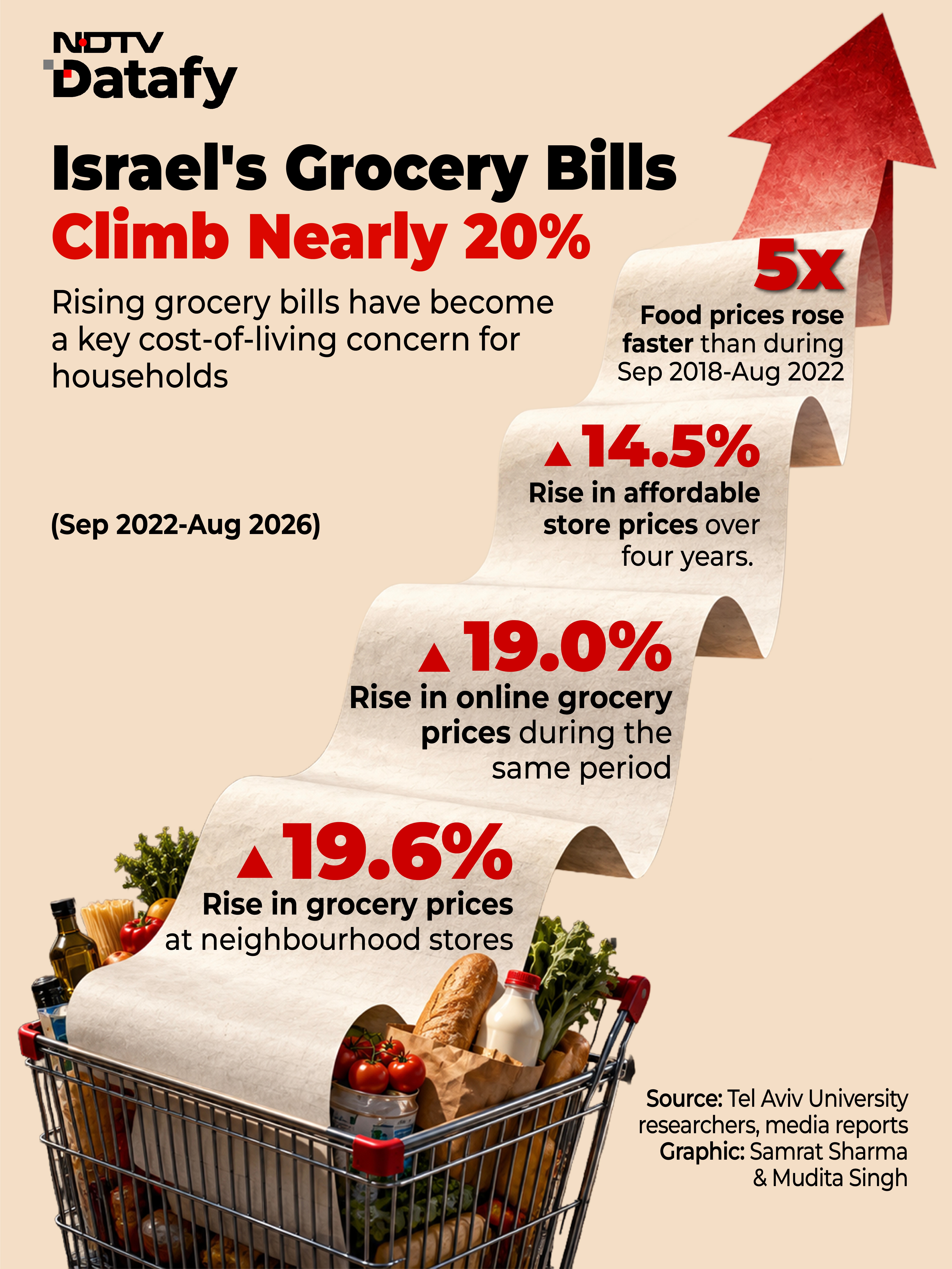
A study by Tel Aviv University researchers, tracking 80 products across nearly 700 stores using Pricez supermarket data, found that grocery prices have risen almost five times faster since September 2022 than in the preceding four years.
Between September 2022 and August 2026, grocery prices rose by 19.6 per cent at neighbourhood stores, 19 per cent at online retailers and 14.5 per cent at discount chains.
The unusually high turnout suggests many Israelis saw the election as a pivotal moment after three years marked by war, security fears and economic strain. With voters weighing the cost of conflict against domestic concerns such as rising living costs, the outcome is likely to shape Israel's political and economic path for years to come.
KioskNews shows a cleaned-up reading view extracted from the publisher’s page — the original always lives on their site, not ours.