Famous UK wildlife island on verge of being evacuated due to water shortages
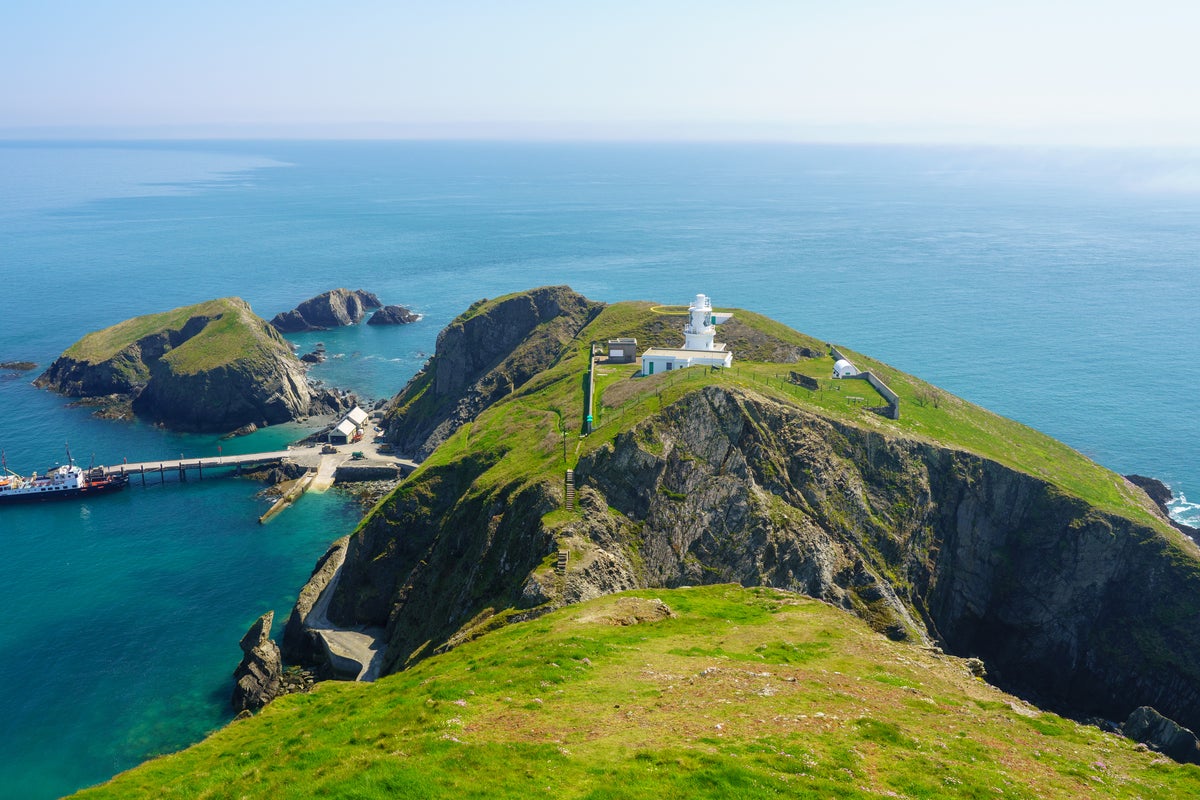
A famous wildlife island in the UK is said to be on the verge of being evacuated after water levels dropped to the lowest levels ever.
Residents of the self-sufficient Lundy Island in the Bristol Channel have had to take drastic measures to preserve supply, including the removal of plugs to stop tourists from taking baths.
The island has been importing emergency shipments of water from the mainland since August and pumping pond water to treatment plants as a last resort.
But pond levels are dropping quickly, and the seasonal passenger ferry bringing water is set to stop operating later this month, meaning the island may soon be forced to close.
Lundy managing director Derek Green, who has worked on the island for more than two decades, said they had barely seen 20 per cent of the average 1.5m of rain it expects at this time of year.
He said pumping water from ponds used by wildlife wasn’t something they had done before, telling BBC: “It's really our last chance saloon here.
“If we didn't do this, we would be facing the reality of closing Lundy... it would be devastating for us.”
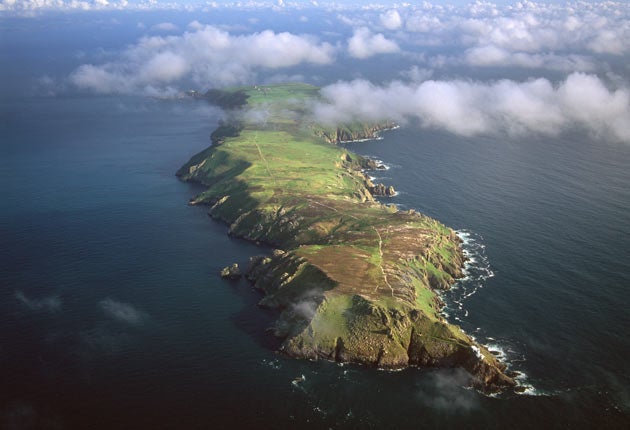
The island is home to 28 people, but has around 18,000 visitors each year, with strict restrictions now in place for both residents and tourists.
“Hopefully the reserve in the pond will last until it rains but because it hasn't rained in so long, this is desperate measures," Mr Green told the broadcaster.
“We've got a working farm here and the animals need water every day... so to evacuate those animals, those people and to cancel all those holidays is something that has never happened in the history of Lundy before.
“It would be hugely significant... we're on the cusp of having to make that decision.”
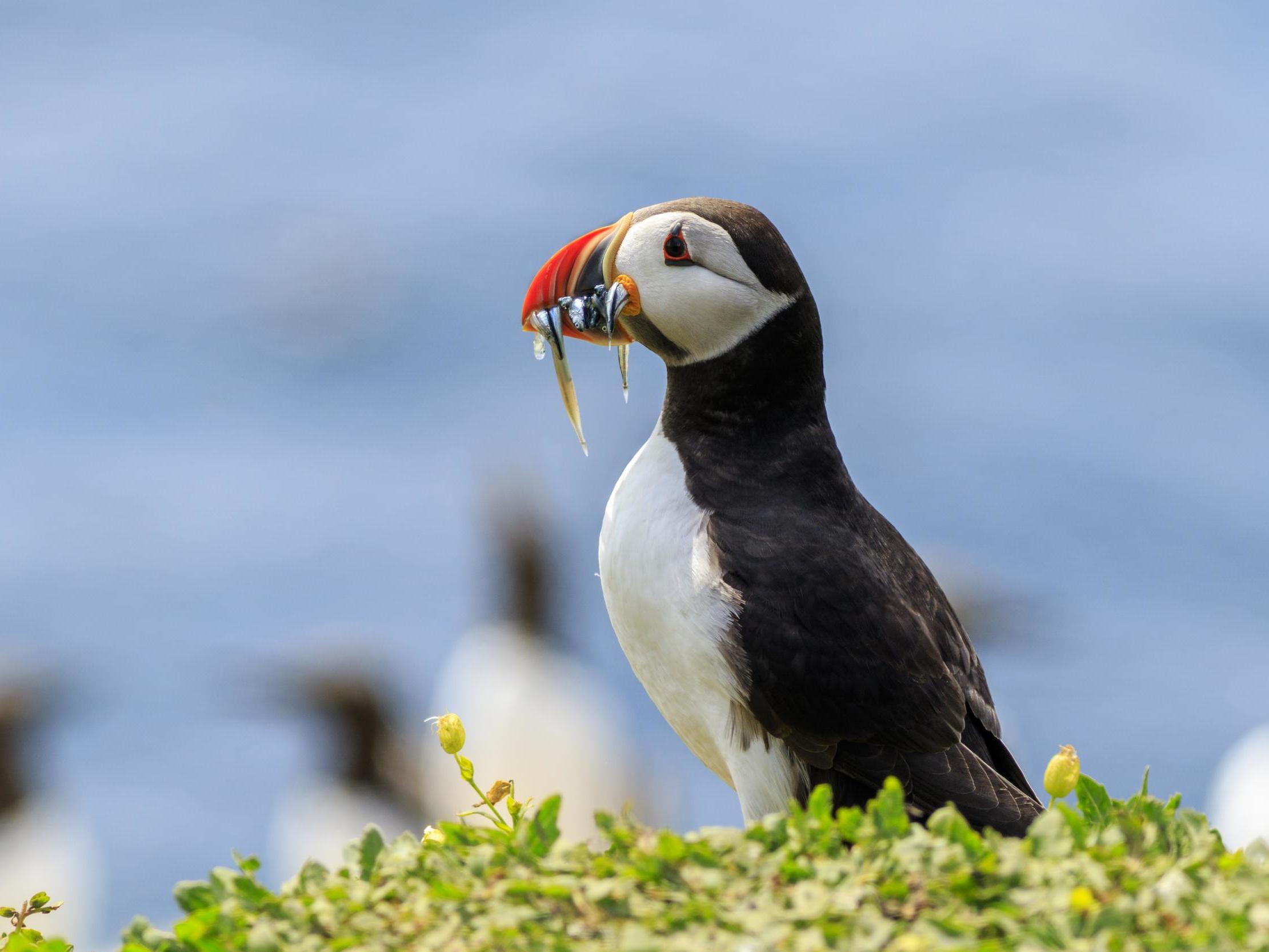
The National Trust-owned island has the largest seabird colony in the south west, which includes puffins, guillemots, razorbills and Manx shearwaters.
Mr Green said the effects of climate change were more "pronounced on Lundy" and residents would have to adapt.
Water shortages are becoming more frequent and the island also faced closure last year when reservoir levels hit 33 per cent.
“Forecasters are predicting it will be even warmer next year,” he said.
“We've got to learn from this and be better prepared next year in terms of increasing the reservoir here.
“People need to learn to use a little less water over the winter... It's a sharp learning curve for us and the wider region.”
KioskNews shows a cleaned-up reading view extracted from the publisher’s page — the original always lives on their site, not ours.