10 Movies From 1996 That Still Feel Untouchable 30 Years Later

Senior Music Editor at Screen Rant, Sarah's love of sound and story drive the beat. A globetrotting brand whisperer and award-winning journalist, she’s built cross-cultural narratives around the world—but music has always been her true north. She launched DJ Mag North America, successfully introducing the iconic UK brand to the U.S. market. Previously, she carved a space for EDM inside the pages of VIBE, blending electronic and hip-hop culture long before it was trendy.
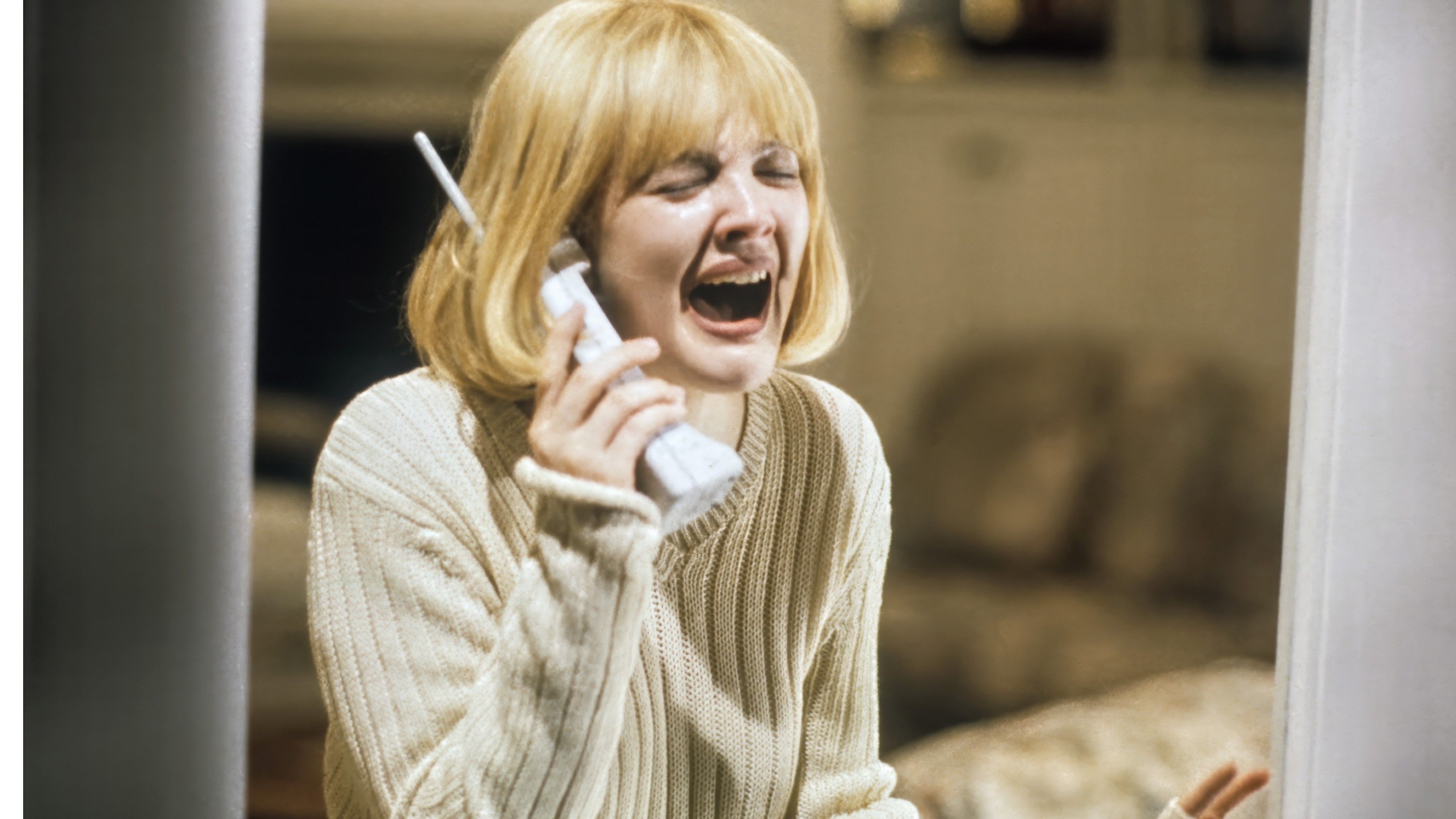
In 1996, aliens destroyed the White House, Tom Cruise dangled from a ceiling, and a masked killer asked Drew Barrymore if she liked scary movies. 30 years later, those scenes remain instantly recognizable. Hollywood delivered an extraordinary lineup that year, and while plenty of movies from the decade have aged badly, these 10 remain remarkably difficult to beat.
It was a particularly spectacular year for blockbusters. Independence Day became a worldwide phenomenon, Twister turned tornadoes into box-office gold, and Mission: Impossible launched one of Hollywood's most enduring action franchises. Meanwhile, filmmakers like the Coen brothers and Danny Boyle were producing movies that would influence an entirely different generation of directors.
Looking back, 1996 also represents an era when studios could confidently release original, star-driven movies without the security of an established franchise. Several of the decade's most essential adventure movies emerged from that environment, with filmmakers given the freedom to take considerable creative risks.
Audiences were spoiled for choice, from uproarious comedies and unconventional romances to near-perfect '90s thrillers that could genuinely keep viewers guessing. The films rarely resembled one another, yet many became defining cultural touchstones almost immediately.
Of course, nostalgia can make an average movie seem better than it was. Revisiting these 10 films three decades later produces a different reaction: genuine admiration for what their creators accomplished. Some have inspired sequels or remakes, while others remain completely singular. All of them help explain why 1996 deserves another look.
The Birdcage

Mike Nichols' The Birdcage brought together Robin Williams and Nathan Lane as a gay couple desperately attempting to impress their son's prospective conservative in-laws. Gene Hackman plays the self-righteous Republican senator whose visit triggers an increasingly elaborate charade. Williams' comparatively restrained performance creates the perfect counterbalance to Lane's glorious theatricality, while the supporting cast makes every escalating misunderstanding more entertaining.
The film's greatest strength is how effortlessly it finds humanity beneath the farce. Its political satire remains sharp, and Williams' chemistry with Lane gives the central relationship genuine warmth. Their friendship extended beyond the screen, with Williams famously protecting Lane during a difficult moment in his personal life. Three decades later, few Hollywood comedies can match this combination of wit and affection.
Fargo
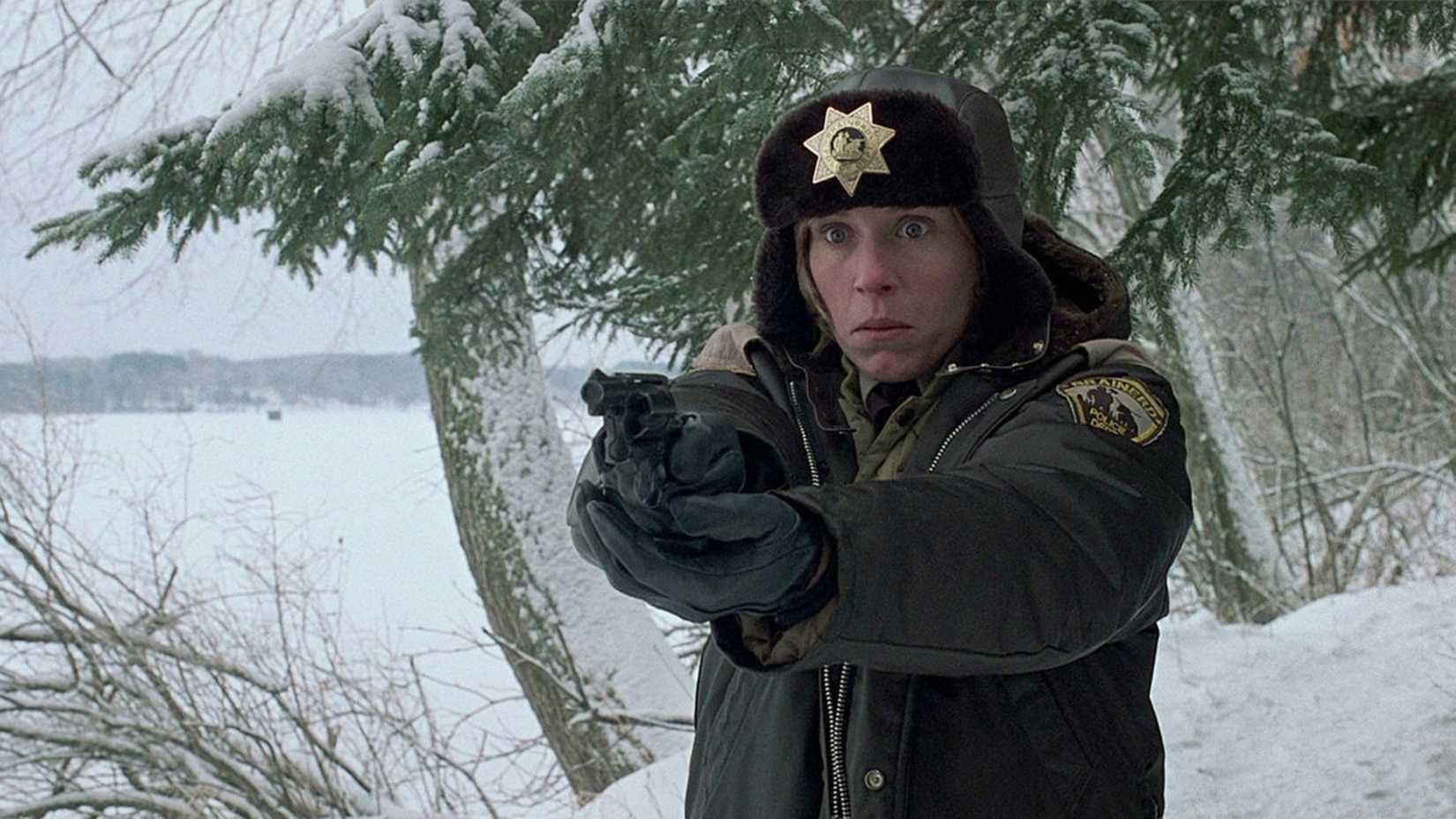
The Coen brothers delivered one of the greatest crime movies of the 1990s with Fargo, starring William H. Macy as a financially desperate car salesman whose kidnapping scheme spirals into disaster. Frances McDormand's pregnant police chief, Marge Gunderson, investigates the resulting violence with an almost disarming sense of decency. Beneath the snow-covered landscapes lies an exceptionally dark comedy about greed and human stupidity.
What makes Fargo extraordinary is its refusal to behave like a conventional crime thriller. The criminals are frequently incompetent, the violence is startlingly abrupt, and Marge remains a genuinely good person surrounded by increasingly terrible decisions. Even the film's claim to be based on a true story is part of the Coens' elaborate misdirection. McDormand won a deserved Academy Award for her performance, but the entire movie is a near-perfect exercise in controlled absurdity.
Twister

Before disaster movies became exercises in digital destruction, Twister made audiences feel as though they were driving directly into a tornado. Helen Hunt and Bill Paxton play estranged storm chasers whose professional obsession repeatedly places them in the path of catastrophic weather. Director Jan de Bont transforms their dangerous pursuit into a breathless adventure, complete with airborne debris, collapsing buildings, and one particularly memorable cow.
Some of the meteorological science is questionable, but the film's excitement remains completely infectious. Its enormous storms are impressive, although the human relationships give the spectacle much-needed personality. The 2024 release of Twisters naturally encouraged comparisons between the two disaster movies, but the original retains a distinctive charm. Hunt and Paxton are terrific together, and the relentless momentum makes Twister an easy film to revisit.
Mission: Impossible
Tom Cruise's Ethan Hunt has since become synonymous with death-defying stunts, but Brian De Palma's original Mission: Impossible was an altogether different proposition. The director approached the television adaptation as an intricate espionage thriller, following Hunt after a disastrous mission leaves him suspected of betraying his own team. The plot demands attention, with shifting loyalties and revelations that continually alter the audience's understanding.
The now-legendary CIA vault sequence demonstrates why this first installment remains exceptional. De Palma creates almost unbearable suspense using little more than a suspended Cruise and the possibility of one tiny mistake. Later entries would pursue increasingly spectacular action sequences, but the original understands the considerable entertainment value of paranoia. Even rewatching the first Mission: Impossible after the franchise's evolution reveals just how distinctive De Palma's approach was.
Question 1 of 3
Which kind of 1996 movie are you most excited to revisit after reading this article?
Big spectacle blockbusters (Independence Day, Twister, The Rock)
Big spectacle blockbusters (Independence Day, Twister, The Rock) 0%The Rock

Michael Bay was only directing his second feature when he unleashed The Rock, an explosive action thriller starring Nicolas Cage, Sean Connery, and Ed Harris. When a rogue military unit seizes Alcatraz and threatens San Francisco with chemical weapons, an unlikely partnership emerges between an FBI chemical-weapons specialist and a former British operative. The premise is gloriously excessive, but the execution is remarkably assured.
Cage's nervous intelligence plays beautifully against Connery's seasoned authority, while Harris gives the antagonist enough conviction to elevate the entire conflict. Among the unofficial action movie trilogies worth watching together, The Rock also occupies a special place alongside Cage's Con Air and Face/Off. Bay would eventually become associated with spectacular excess, but this remains one of his most satisfying films because the action never overwhelms the characters.
Independence Day
Roland Emmerich's Independence Day arrived with one of the most effective marketing campaigns of the decade, promising audiences the spectacular destruction of familiar American landmarks. The film delivered on that promise, becoming 1996's highest-grossing worldwide release. Will Smith, Jeff Goldblum, and Bill Pullman anchor an enormous ensemble confronting an alien invasion that threatens humanity's survival.
The White House explosion remains an iconic cinematic image, but the film's appeal extends beyond its visual spectacle. Smith's wisecracking fighter pilot, Goldblum's eccentric scientist, and Pullman's unexpectedly inspiring president give audiences characters worth rooting for. Although the disappointing sequel struggled to recapture the original's appeal, Independence Day remains a spectacular example of the crowd-pleasing blockbuster Hollywood once specialized in making.
Trainspotting
Danny Boyle's Trainspotting introduced international audiences to a group of heroin addicts living in Edinburgh, with Ewan McGregor delivering a career-defining performance as Mark Renton. Adapted from Irvine Welsh's novel, the film combines outrageous humor with some of the most disturbing depictions of addiction ever committed to the screen. Its frantic editing, surreal imagery, and magnificent soundtrack helped establish a distinctive new voice in British cinema.
Few movies from the 1990s captured the rebellious energy of their generation quite like Trainspotting. Boyle refuses to romanticize addiction, even as his characters embrace the apparent freedom of their self-destructive lifestyles. The film's unforgettable opening sequence, set to Iggy Pop's "Lust for Life," remains a cultural touchstone, while McGregor's performance gives the story an emotional depth that its outrageous moments might otherwise obscure.
Romeo + Juliet

Baz Luhrmann took one of William Shakespeare's most familiar tragedies and transformed it into an electrifying piece of 1990s pop culture. Leonardo DiCaprio and Claire Danes play the doomed young lovers in a contemporary Verona Beach, where rival families exchange gunfire instead of swordplay. Luhrmann preserves Shakespeare's original dialogue while surrounding his actors with elaborate costumes, outrageous production design, and an unforgettable alternative-rock soundtrack.
The result could easily have become an exhausting exercise in visual excess, but DiCaprio and Danes make the central romance extraordinarily affecting. Luhrmann's audacious approach also introduced Shakespeare to a generation that might otherwise have encountered the play only in a classroom. As explored in the film's distinctive soundtrack and musical choices, music plays an enormous role in establishing its identity. 30 years later, few literary adaptations feel nearly as alive.
Jerry Maguire

Cameron Crowe's Jerry Maguire gave Tom Cruise one of his finest roles as a successful sports agent whose crisis of conscience costs him his career and forces him to reconsider his priorities. Renée Zellweger delivers a star-making performance as Dorothy Boyd, while Cuba Gooding Jr. nearly steals the film as outspoken football player Rod Tidwell. The screenplay moves effortlessly between romantic comedy, workplace satire, and an unexpectedly affecting story about personal integrity.
Crowe also created some of the most recognizable movie dialogue of the decade. "Show me the money" and "You had me at hello" became cultural phenomena, although the film's emotional power extends well beyond those famous lines. Its enduring popularity even inspired a 30th-anniversary theatrical rerelease in 2026. Cruise is particularly effective as a man discovering that professional success means very little without meaningful relationships.
Scream
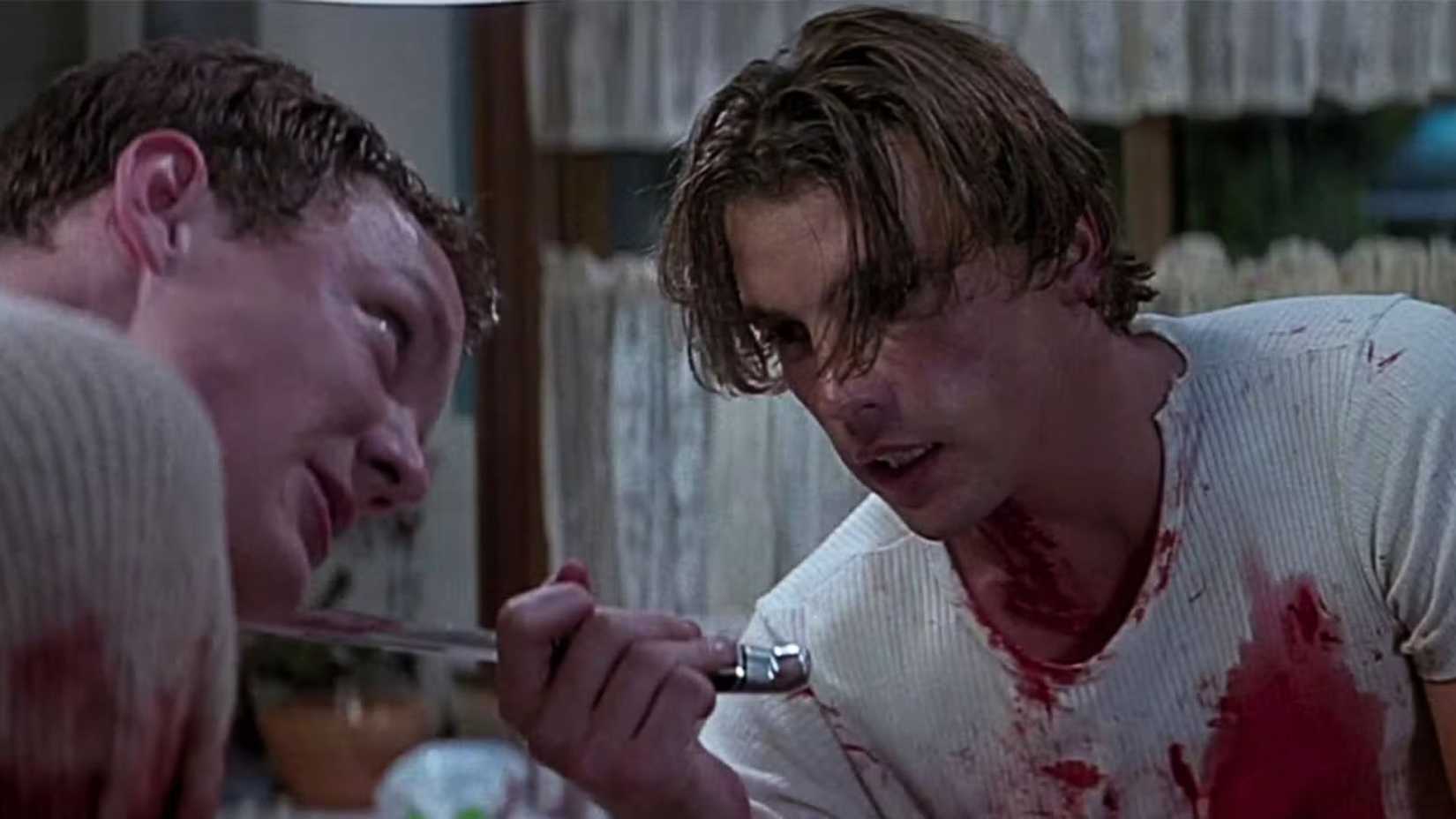
Wes Craven's Scream arrived in December 1996 and permanently altered the direction of horror cinema. Drew Barrymore's terrifying opening sequence immediately established that audiences could no longer rely on the genre's familiar conventions. Neve Campbell stars as Sidney Prescott, a teenager targeted by a masked killer whose victims understand horror movies almost as well as the audience watching them.
Screenwriter Kevin Williamson's clever dialogue allowed Scream to satirize slasher movies while delivering genuine suspense and memorable characters. The film's extraordinary success revived mainstream interest in the genre and inspired countless imitators, although few matched its intelligence or wicked sense of humor. Its influence remains enormous, as demonstrated by the franchise's continuing popularity and the ways the original Scream changed horror forever. Thirty years later, Ghostface remains as terrifyingly recognizable as ever.
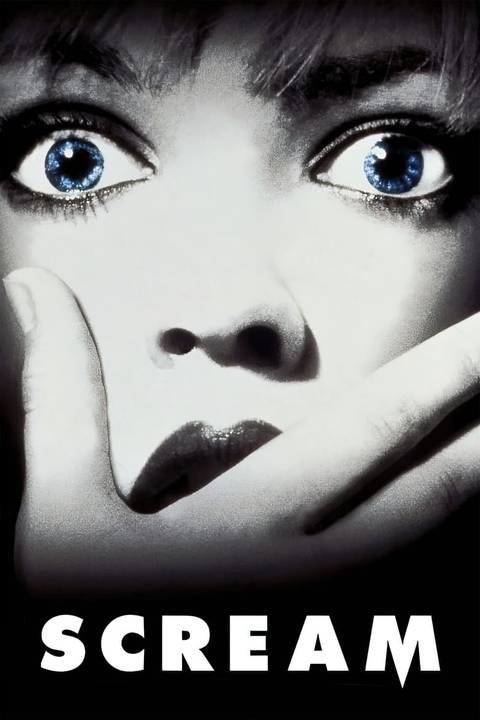
- Release Date
- December 20, 1996
- Runtime
- 112 minutes
- Director
- Wes Craven
- Writers
- Kevin Williamson
- Producers
- Bob Weinstein, Cary Woods, Cathy Konrad, Harvey Weinstein
KioskNews shows a cleaned-up reading view extracted from the publisher’s page — the original always lives on their site, not ours.