UK energy bills are forecast to rise by another £276 a year from January. Here’s why

Household energy bills are set to surge by £276 a year from January, according to stark new predictions.
More than four million homes who remain on a standard energy tariff are to see their bills rise from Thursday when Ofgem’s price cap increases by around £60 a year to £1,723, despite the Government removing VAT from household electricity bills.
The cap is then forecast to increase dramatically in January, with analysts from Cornwall Insight predicting the typical annual bill could rise by 16 per cent to £1,999. The increase is well above the previous prediction of a 9 per cent rise and would take the cap to its highest level for four years.
The warning comes as the impact of the Middle East war continues through winter and as cooler temperatures see many switching on their central heating.
In an interview with the BBC, PM Andy Burnham acknowledged the pressure on household finances, with energy bills forecast to increase dramatically over the coming months and diesel prices hitting record highs.
But ahead of Chancellor John Healey’s first Budget in October, Mr Burnham warned the state of the public finances meant there was not “huge room for manoeuvre” to ease the burden.
Asked if he would scrap January’s planned increase in fuel duty, he said: “I’m considering everything that might help people in very difficult times and I will be honest and say every possible measure is being looked at.
“The question I’ve got is, ‘how many can I afford?’
“‘What can we do given the state of the public finances?’
“And people wouldn’t thank me for making unfunded payments that then cause pressure on mortgages – and we’ve seen that in the past and we’re not going back there.”
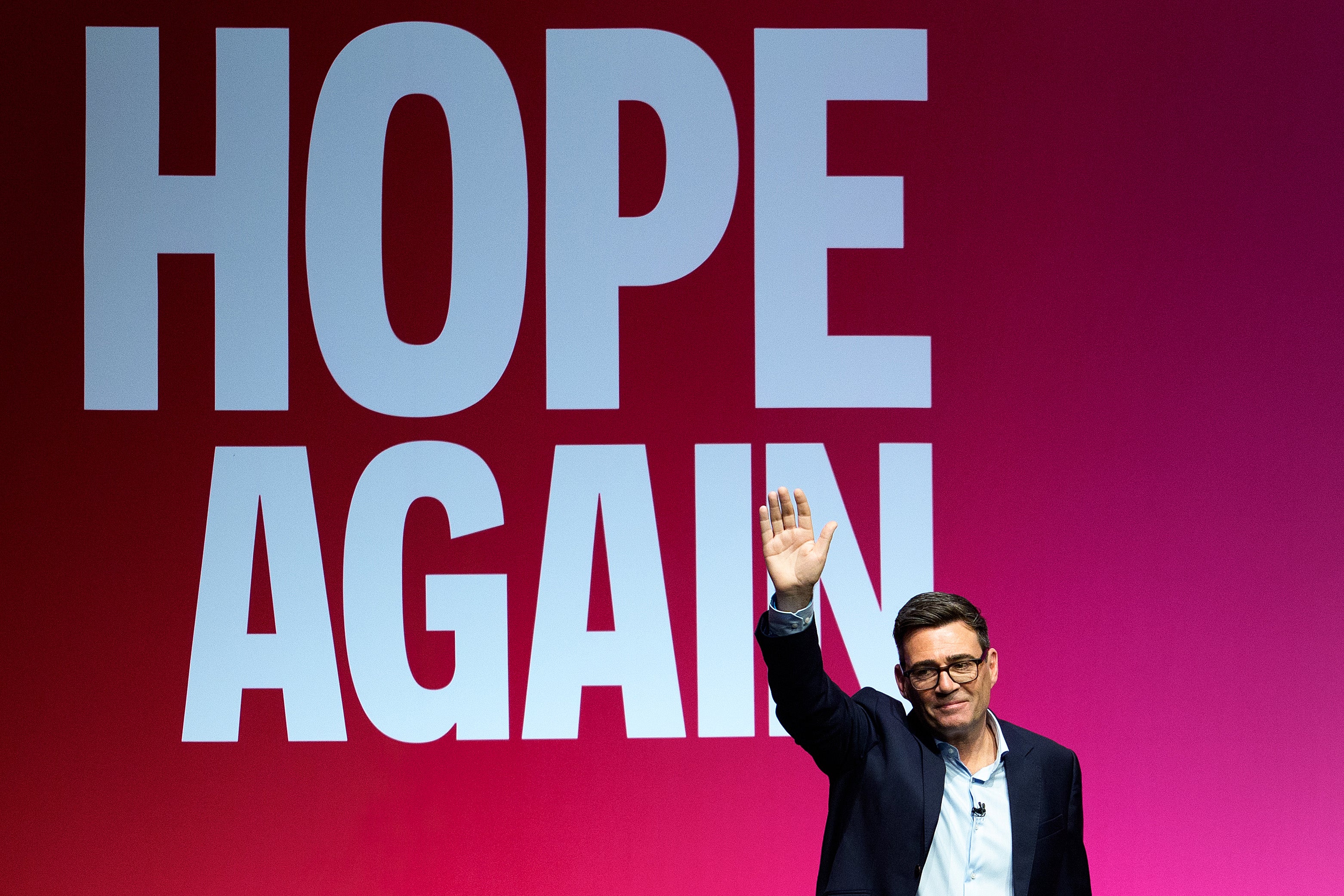
One of the main announcements from Mr Burnham’s speech was confirmation of a plan to scrap the pension triple lock in its current form from 2030 to help fund a new national care service for England.
But the Prime Minister might have to hike taxes or slash spending to top up the budget for the care service if the changes to the way the state pension is increased do not free up enough cash.
“If there’s a shortfall, well, we’d have to be honest about that shortfall and say where that money is coming from,” he told Times Radio.
The October 1 hike to Ofgem’s price cap includes the Government’s decision to remove VAT from household electricity bills, which also takes effect from Thursday.
The removal of the 5 per cent levy until March 31 next year will save the average bill payer around £45 a year, estimates from the Government show.
The policy was one of Andy Burnham’s first moves as Prime Minister to ease household bills, announced in July on the day after he took over the post. Households will still pay 5 per cent VAT for gas.
The blocking of the Strait of Hormuz – a major oil shipping lane – has seen the price of fuel and electricity spike at a rate last seen following Russia’s invasion of Ukraine.
National Energy Action chief executive Adam Scorer said: “This latest price cap rise, just before winter, means there is simply no light at the end of the tunnel for vulnerable and low-income households.
“In fact, if forecasts for the January 2027 price cap are correct, then it’s set to get a whole lot darker in the new year.
“The headline price cap figure is already bad, but it doesn’t reflect the even worse reality for millions of fuel poor households. Our evidence shows vulnerable and low-income households already skipping food and heating even before this next price cap rise and temperatures start to drop.
“The Autumn Budget must deliver additional targeted support for households most at risk this winter, alongside action to tackle energy debt and improve the least energy efficient homes.”
Ofgem changes the price cap for households every three months, largely based on the cost of energy on wholesale markets.
KioskNews shows a cleaned-up reading view extracted from the publisher’s page — the original always lives on their site, not ours.