World’s largest bats are shrinking, with skull sizes down 6% since the 1980s; here’s why
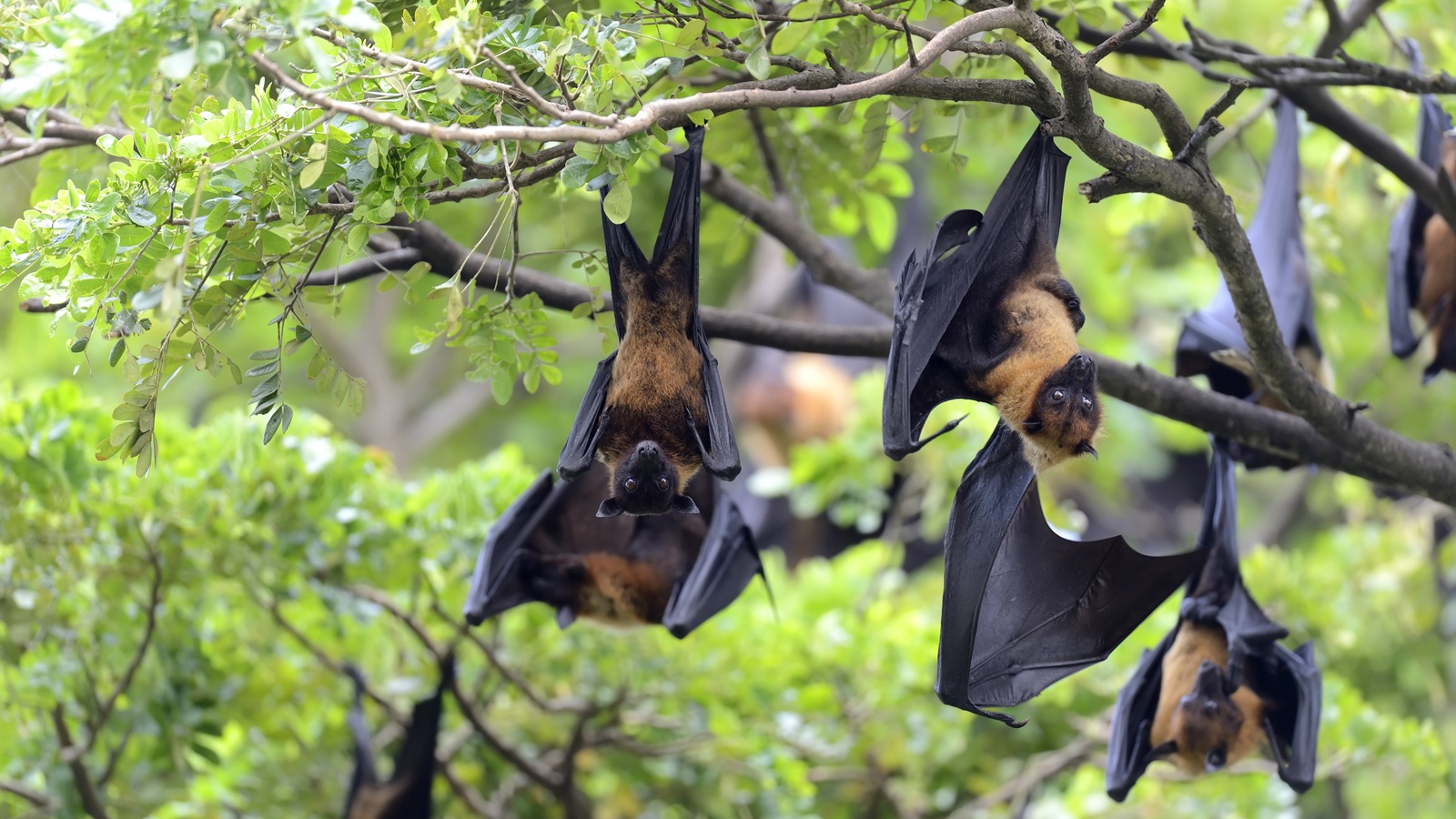
Some of the world’s largest bats are slowly shrinking, and human activity may be behind the change. Researchers studying Malagasy flying foxes in Madagascar have found that the animals’ skulls have shrunk by around 6 per cent since the 1980s, raising concerns about the impact of large-scale hunting on the species.
With wingspans reaching up to 1.5 metres, these fruit bats are among the world’s largest. But a closer look at museum specimens revealed that today’s bats are noticeably smaller than those collected decades ago.
DISCLAIMER: This article is based on information from the public domain and/or the experts we spoke to.
What is causing these bats to shrink?
The discovery began when researchers at the Field Museum in Chicago noticed a difference between older preserved specimens and bats being captured by field scientists in Madagascar.
Flying vertebrate ecologist Emily Cornelius Ruhs and conservation biologist Steven Goodman investigated whether the animals had actually become smaller over time.
The team measured 12 skull and tooth features across 121 specimens housed in nine museums. The samples spanned more than 150 years, allowing researchers to compare bats from different periods.
Their findings, published in the Journal of Mammalogy on October 29, showed that bats collected before the 1980s had skulls that were, on average, 3.6 millimetres longer than those collected afterwards. This amounts to a reduction of approximately 6 per cent.
Story continues below this ad
Researchers considered several possible explanations, including climate change and habitat loss. However, the decline also coincided with a significant change in how humans hunted these animals.
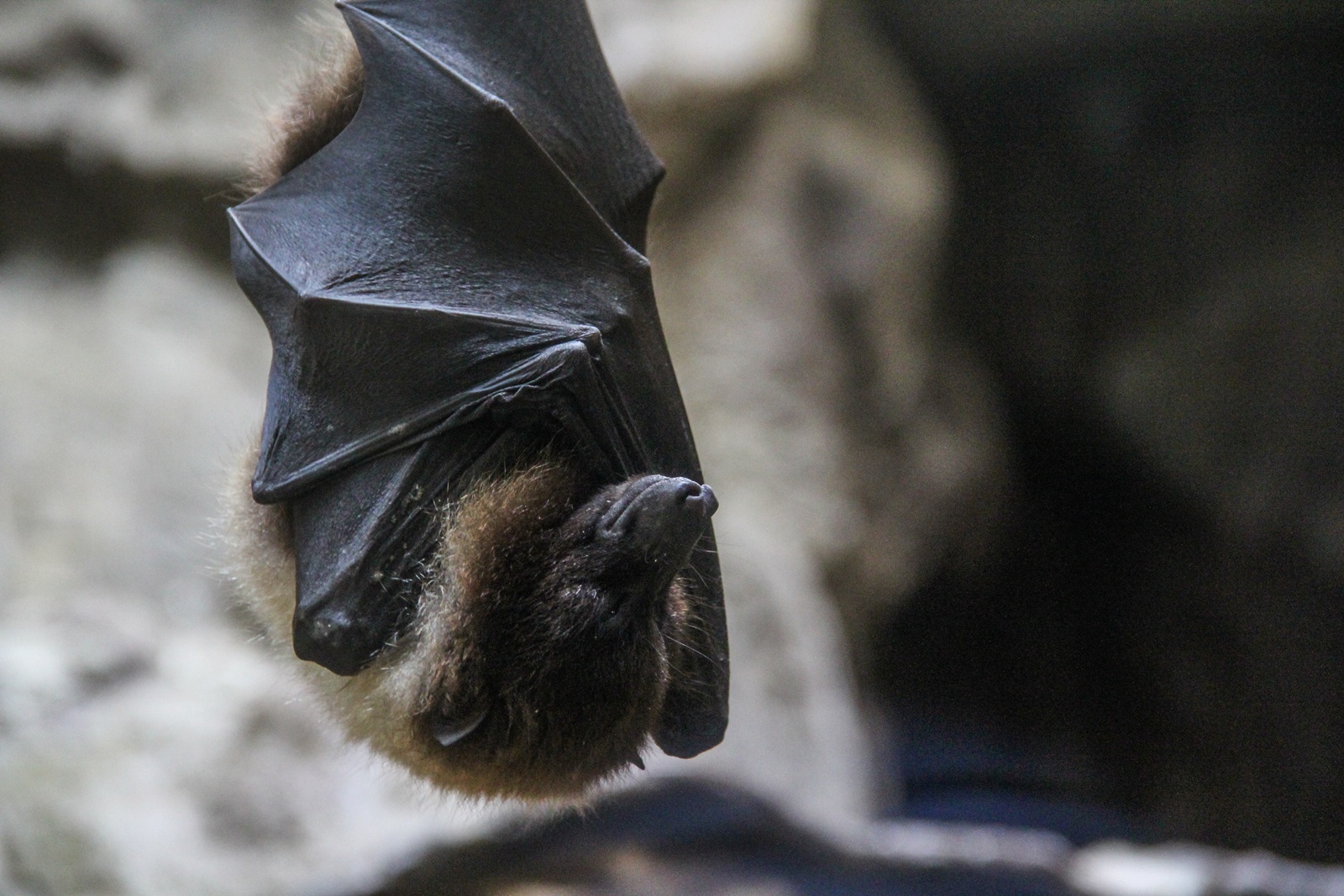 A sleeping bat wrapped in its wings. (Source: Magnific)
How has hunting affected their size?
According to Ruhs, flying foxes have traditionally been hunted for food in certain villages and communities in Madagascar. Until the 1980s, hunting was largely limited to meeting the needs of individual families or small communities.
However, this gradually changed as bats began being sold more widely in markets and restaurants.
Researchers suspect that hunters increasingly targeted larger bats because they offered more meat, leaving smaller individuals with a better chance of surviving and reproducing.
Story continues below this ad
This selective hunting could have contributed to the gradual reduction in the animals’ size.
Conservation biologist Emma Stone from the University of Bath in England cautioned that changes in physical traits can have long-term consequences.
Species evolve specific adaptations to their environments over thousands of years. Changes driven by human pressure could make animals less capable of responding to environmental changes, climate-related stresses or diseases.
Why are researchers concerned?
The shrinking skulls are not the only worrying development. The Malagasy flying fox population has also declined considerably.
Story continues below this ad
Researchers estimate that around 300,000 of these bats lived in Madagascar in the early 2000s. Their numbers have since fallen by approximately two-thirds.
The latest findings raise questions about how continued hunting could affect the species’ long-term survival. Researchers hope future genetic studies will offer a clearer picture of how the remaining populations are coping.
Ruhs also pointed out that other fruit bat species are hunted and consumed in Madagascar, making it important to investigate whether similar changes are occurring in them.
While these bats remain an important food source for some communities, researchers say they need to balance people’s dependence on them with conservation efforts.
Story continues below this ad
As Ruhs noted, the challenge is to manage harvesting without putting the species at further risk.
Explore more captivating stories about pets and animals here, and make us your daily stop for the latest from the animal kingdom.
DISCLAIMER: This article is based on information from the public domain and/or the experts we spoke to.
KioskNews shows a cleaned-up reading view extracted from the publisher’s page — the original always lives on their site, not ours.