Why Morgan Stanley sees more upside in Hong Kong offices than New York towers
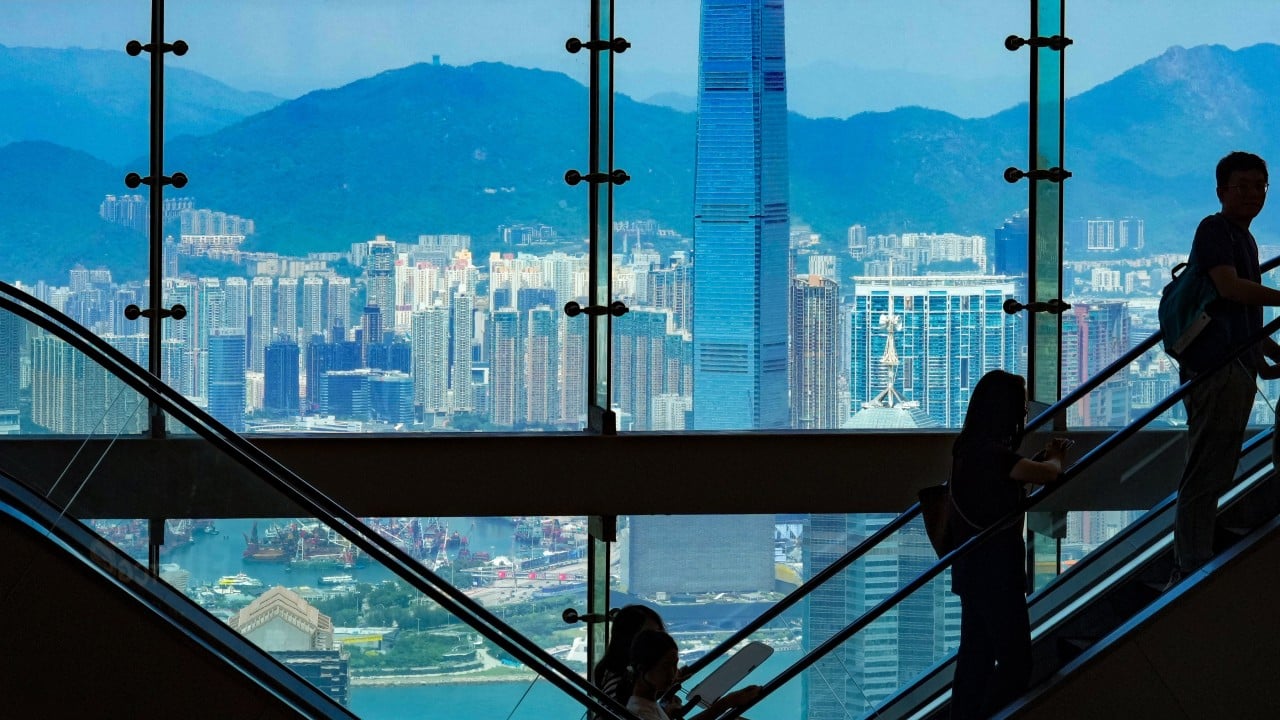
Higher interest rates have weighed on property markets in both Hong Kong and New York, but Morgan Stanley sees greater upside potential in the Asian financial hub – particularly the office segment – in the months ahead, according to its latest report.
The US investment bank highlighted the similarities between two of the world’s leading financial centres, pointing out that Hong Kong’s monetary policy moved in lockstep with the US Federal Reserve, while both cities faced limited land supply, expensive housing and office demand that was closely tied to the finance sector.
“Higher rates transmit differently into these two cities,” said a team of authors led by Praveen Choudhary, head of Hong Kong and India property research at Morgan Stanley. “Scarcity matters more than rates. We prefer Hong Kong landlords over New York City office owners or Hong Kong developers.”
The office cycle had turned in both cities after years of elevated vacancy rates following the Covid-19 pandemic, the report said. Recovery was concentrated in the best locations, it added.
KioskNews shows a cleaned-up reading view extracted from the publisher’s page — the original always lives on their site, not ours.