The 10 Greatest Fantasy Books of the 20th Century, Ranked

Luc Haasbroek is a writer and videographer from Durban, South Africa. He has been writing professionally about pop culture for eight years. Luc's areas of interest are broad: he's just as passionate about psychology and history as he is about movies and TV. He's especially drawn to the places where these topics overlap.
Luc is also an avid producer of video essays and looks forward to expanding his writing career. When not writing, he can be found hiking, playing Dungeons & Dragons, hanging out with his cats, and doing deep dives on whatever topic happens to have captured his interest that week.
Sign in to your Collider account
The 20th century forged fantasy into its modern shapes. Drawing on fairy tales and myths, a handful of influential writers laid the foundations for one of the most popular genres. Even today, pretty much all fantasy novels are either borrowing from or deliberately subverting the fantasy conventions established between the 1930s and '60s.
With that in mind, this list attempts to rank some of the finest and most important fantasy books of the previous century, from the grandeur of Lord of the Rings to the philosophical density of The Golden Compass. Each of the titles below gave us characters and places that readers are still returning to, cementing their place as the pillars upon which modern fantasy rises.
10 'A Game of Thrones' (1996)
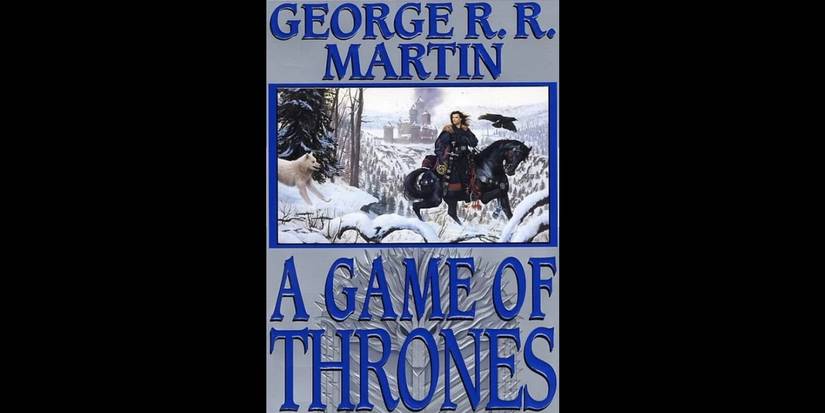
"We should start back." GRRM broke with a lot of genre conventions with A Song of Ice and Fire. From the first installment, he plunged readers into a brutal world of politics and scheming, amoral characters, and real stakes, with even the most beloved protagonists at risk of being killed off at any moment. This recipe resonated, vaulting A Game of Thrones onto the bestseller lists and eventually spawning a global phenomenon that continues to hold a solid grip on pop culture.
The first book contains all the series' most entertaining elements in microcosm: action, skulduggery, clashing nobles, old grudges, punchy writing, a layered world, a sprawling cast of compelling characters, and a looming supernatural threat. The history and backstory feel weighty, too; we really get the sense that the characters and kingdoms had lives long before we meet them. All in all, it's a solid foundation for everything that came after.
9 'Harry Potter and the Philosopher's Stone' (1997)

"Mr and Mrs Dursley, of number four, Privet Drive, were proud to say that they were perfectly normal, thank you very much." While Game of Thrones was a sensation, it hardly compares to the pop culture juggernaut of Harry Potter. Not since Beatlemania had something inspired so much devotion in young fans. The series' appeal is very much on display even in the first book, which is fun and whimsical, cramming so much plot into just over 200 pages.
In it, Harry escapes the drudgery of the Dursleys' house and into the wizarding world, a place of goblin-run banks, enchanted sweets, flying broomsticks, cheeky ghosts, and, most importantly, Hogwarts School of Witchcraft and Wizardry, a warm home not just for the boy wizard himself but the reader, too. Ron and Hermione round out a wonderfully mismatched trio, while the mystery surrounding the Philosopher's Stone gives their first school year a taut, gripping narrative structure.
8 'Watership Down' (1972)
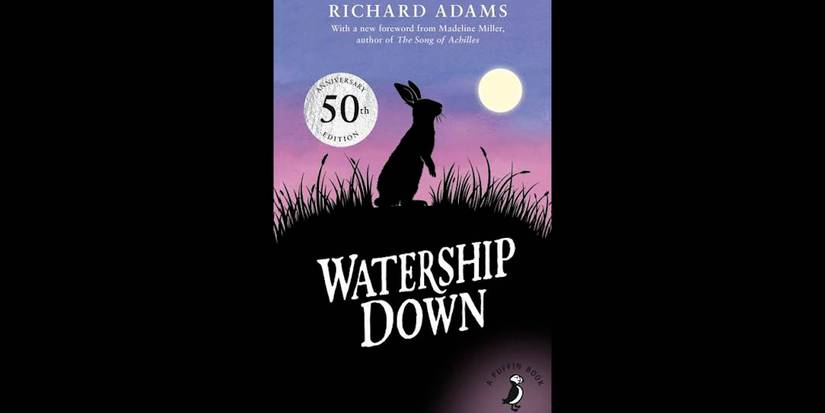
"The primroses were over." Rabbits searching for somewhere safe to live shouldn't feel like the basis for an epic, yet that's exactly what Watership Down is. The story kicks into gear when the anxious Fiver experiences a vision of destruction coming to the Sandleford warren. His brother Hazel believes him, and a small group of rabbits abandons their home shortly before humans obliterate it. What follows is simultaneously an animal adventure, survival story, political drama, and miniature heroic saga.
Indeed, Watership Down gets surprisingly poignant and tragic, at times even brutal or frightening, like with the references to the feared Shining Wire. Even more impressively, author Richard Adams makes sure that the rabbits actually feel like animals, not just humans with a fuzzy exterior. Their behavior is rooted in rabbit biology, and they have their own language, social customs, mythology, and stories about the trickster hero El-ahrairah.
7 'The Silmarillion' (1977)
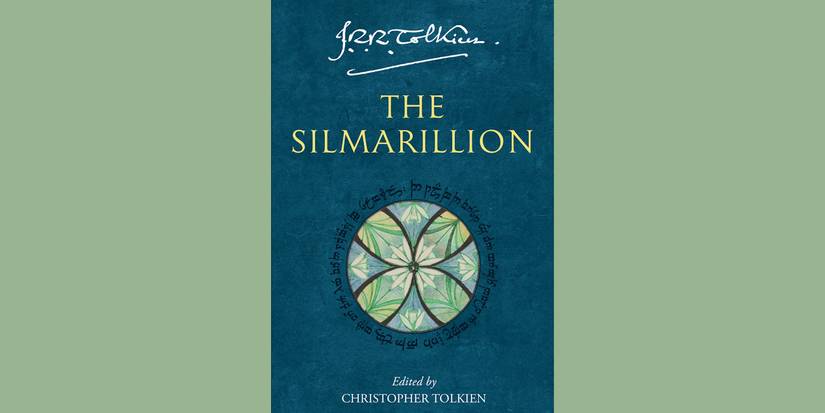
"There was Eru, the One, who in Arda is called Ilúvatar." It's the most challenging of the Lord of the Rings books, but also one of the richest. Published posthumously, The Silmarillion presents the mythology and ancient history of Middle-earth, beginning with the creation of the universe and moving through the wars, betrayals, loves, and catastrophes of the First Age. At the center of it all, the rebellious Fëanor creates the Silmarils, three jewels containing the light of the Two Trees, before the dark lord Morgoth steals them.
The resulting oath taken by Fëanor and his sons drives generations of bloodshed. Around that central tragedy emerge stories powerful enough to stand on their own: Beren and Lúthien's impossible love, Túrin Turambar's disastrous life, the fall of Gondolin, Eärendil's voyage, and the eventual destruction of Beleriand. The scale of all this is simply breathtaking, adding even more depth to an already dense world.
COLLIDER Middle-earth
Personality Quiz
Collider/ Movies/ The Lord of the Rings/ Which Character Are You
Ten Questions · One Fate Which Lord of the Rings Character Are You? The Road Goes Ever On
From the green hills of the Shire to the fires of Mount Doom, every soul in Middle-earth carries a destiny. Ten questions stand between you and the truth of who you are. Answer honestly, because the Ring has a way of revealing what we most want to hide.
The Eight Fates💍Frodo
🌿Samwise
👑Aragorn
🔥Gandalf
🏹Legolas
🪓Gimli
👁Sauron
🪨Gollum
The ShireMount Doom
Stage 1 of 10Burden
You are handed a responsibility that could destroy you. What do you do? The weight of the world falls on unlikely shoulders.
Press 1 to 4 to choose
The ShireMount Doom
Stage 2 of 10Loyalty
Your closest companion is heading into terrible danger. You: True loyalty is revealed not in comfort, but in crisis.
Press 1 to 4 to choose
The ShireMount Doom
Stage 3 of 10Power
Enormous power is within your reach. Your instinct is: Power corrupts, but only those who reach for it.
Press 1 to 4 to choose
The ShireMount Doom
Stage 4 of 10Home
What does home mean to you? Where we long to return reveals who we truly are.
Press 1 to 4 to choose
The ShireMount Doom
Stage 5 of 10Combat
When a battle is upon you, your approach is: War reveals what we are made of, whether we like it or not.
Press 1 to 4 to choose
The ShireMount Doom
Stage 6 of 10Wisdom
Someone comes to you for advice in their darkest hour. You: Wisdom is not knowing all the answers. It is knowing which questions to ask.
Press 1 to 4 to choose
The ShireMount Doom
Stage 7 of 10Identity
How do you see yourself, honestly? Self-knowledge is the most dangerous kind.
Press 1 to 4 to choose
The ShireMount Doom
Stage 8 of 10Nature
Which of these best describes your relationship with the natural world? Middle-earth speaks to those who know how to listen.
Press 1 to 4 to choose
The ShireMount Doom
Stage 9 of 10Mercy
You meet a wretched, pitiable creature who has done terrible things. You: How we treat the fallen reveals the height of our character.
Press 1 to 4 to choose
The ShireMount Doom
Stage 10 of 10Legacy
When the quest is over and the songs are sung, what do you hope they say about you? In the end, we are all just stories.
Press 1 to 4 to choose
The Fellowship Has Spoken Your Place in Middle-earth
💍 Frodo Baggins The Ring-bearer You carry it alone, even when you do not have to.
You carry something heavy, and you carry it alone even when you do not have to. You were not born for greatness, and that is precisely why greatness chose you. Your courage is not the roaring, sword-swinging kind. It is quiet, stubborn and terrifying in its refusal to quit. The Ring weighs on you more than anyone can see, and still you walk toward the fire. That is not weakness. That is the rarest kind of strength there is.
QuietStubbornBurdenedUnbreakable
🌿 Samwise Gamgee The Gardener Not the most powerful. Easily the most essential.
You are, without question, the best of them. Not the most powerful, not the most celebrated, but the most essential. Your loyalty is not a trait, it is a force of nature. You would carry the person you love up the slopes of Mount Doom if it came to that, and we both know you would do it without being asked. The world needs more people like you, and the world is lucky it has even one.
LoyalSteadyWarmDevoted
👑 Aragorn The King in Waiting The crown was always yours. The worthiness you had to earn.
You were born to lead, and you have spent years running from it. The crown is yours by right, but you know better than anyone that right means nothing without the will and the worthiness to back it up. You are tempered by loss, shaped by long roads, and defined by a code of honour you hold to even when nobody is watching. When you finally step forward, the world shifts, because it was always waiting for you.
NobleReluctantHonourableTested
🔥 Gandalf The Grey Pilgrim You do not fight the battle. You light the people who will.
You have seen more than you let on, and you say less than you know, which is exactly as it should be. You are a catalyst. You do not fight the battles yourself, you ignite the people who can. Your wisdom comes not from books but from an age of watching what happens when it is ignored. You arrive precisely when you mean to, and your presence alone changes what is possible.
WisePatientGuidingFormidable
🏹 Legolas The Elf of Mirkwood You see it coming long before anybody else looks up.
Graceful, perceptive and almost preternaturally calm under pressure, you see things others miss and act before others react. You do not need to make a scene to be remarkable, your presence speaks for itself. You are loyal to those you choose to stand beside, and that choice is not made lightly. You have lived long enough to know that the most beautiful things in this world are also the most fragile, and that is why you fight to protect them.
PreciseWatchfulGracefulUnhurried
🪓 Gimli Son of Gloin You arrived suspicious of everyone and left ready to die for an elf.
You are loud, proud and absolutely formidable, and beneath all of that is one of the most fiercely loyal hearts in Middle-earth. You do not do anything by half measures. Your friendships are forged like iron, your grudges run as deep as mines, and your courage in battle is the kind that makes legends. You came into this fellowship suspicious of everyone and ended it willing to die for an elf. That is not a small thing. That is everything.
FierceProudBluntDevoted
👁 Sauron The Dark Lord You think in centuries and act in absolutes.
You think in centuries and act in absolutes. Order, dominion, control, not because you are cruel by nature but because you have decided that the world left to itself always falls apart, and you are the only one with the vision and the will to hold it together. You were not always this. Something was lost, or taken, or betrayed, and the version of you that stands now is the answer to that wound. The tragedy is that you are not entirely wrong, just entirely too far gone to course-correct.
AbsolutePatientRelentlessConsumed
🪨 Gollum What Is Left of Smeagol Two voices, and the better one does not win often enough.
You are a study in contradiction, pitiable and dangerous, cunning and broken, capable of both cruelty and something that once resembled love. You are defined by loss: of innocence, of self, of the one thing that gave your existence meaning. Two voices war inside you constantly, and the tragedy is that the better one sometimes wins, just not often enough and never at the right moment. You are a warning, yes, but also a mirror.
DividedCunningHauntedPitiable
Your Closest Matches
1
2
3
Copied to clipboard
Quest recorded by COLLIDER Collider.com · Middle-earth
6 'The Last Unicorn' (1968)

"The unicorn lived in a lilac wood, and she lived all alone." This gem follows a unicorn who learns that she may be the last of her kind. Leaving the safety of her forest, she sets out to discover what happened to the others and eventually learns of King Haggard and the terrifying Red Bull that has driven the world's unicorns away. Along the way, the book repeatedly takes classic fantasy archetypes and gives them a treatment that's a little more complex and melancholy than usual.
The major characters are all flawed, and their stories bear their fair share of pain and loss. For example, Molly Grue has spent years waiting for something magical to enter her life, only for the unicorn to arrive after youth has already passed her by. Even more strikingly, these characters are self-aware: they know they are trapped inside a fairy tale, and this meta element is key to the book.
5 'The Golden Compass' (1995)

"Lyra and her dæmon moved through the darkening Hall..." The Golden Compass (aka Northern Lights) serves up an entertaining plot alongside genuine food for thought; it's perhaps the most philosophical children's fantasy story ever. In an alternate version of Oxford, every human possesses an animal-shaped dæmon, armored bears rule in the North, witches fly through the skies, and a mysterious substance called Dust has become the subject of a theological and scientific struggle.
At the heart of these tangled threads is Lyra Belacqua, a compulsively curious girl whose talent for lying proves surprisingly useful. The Golden Compass surrounds her with unforgettable characters, from the formidable Mrs. Coulter and explorer Lord Asriel to aeronaut Lee Scoresby and armored bear Iorek Byrnison. Finally, the book pulls no emotional punches. There is betrayal and occasionally horror here, as well as the realization that authority figures, even parents, can be dangerous.
4 'The Lion, the Witch and the Wardrobe' (1950)
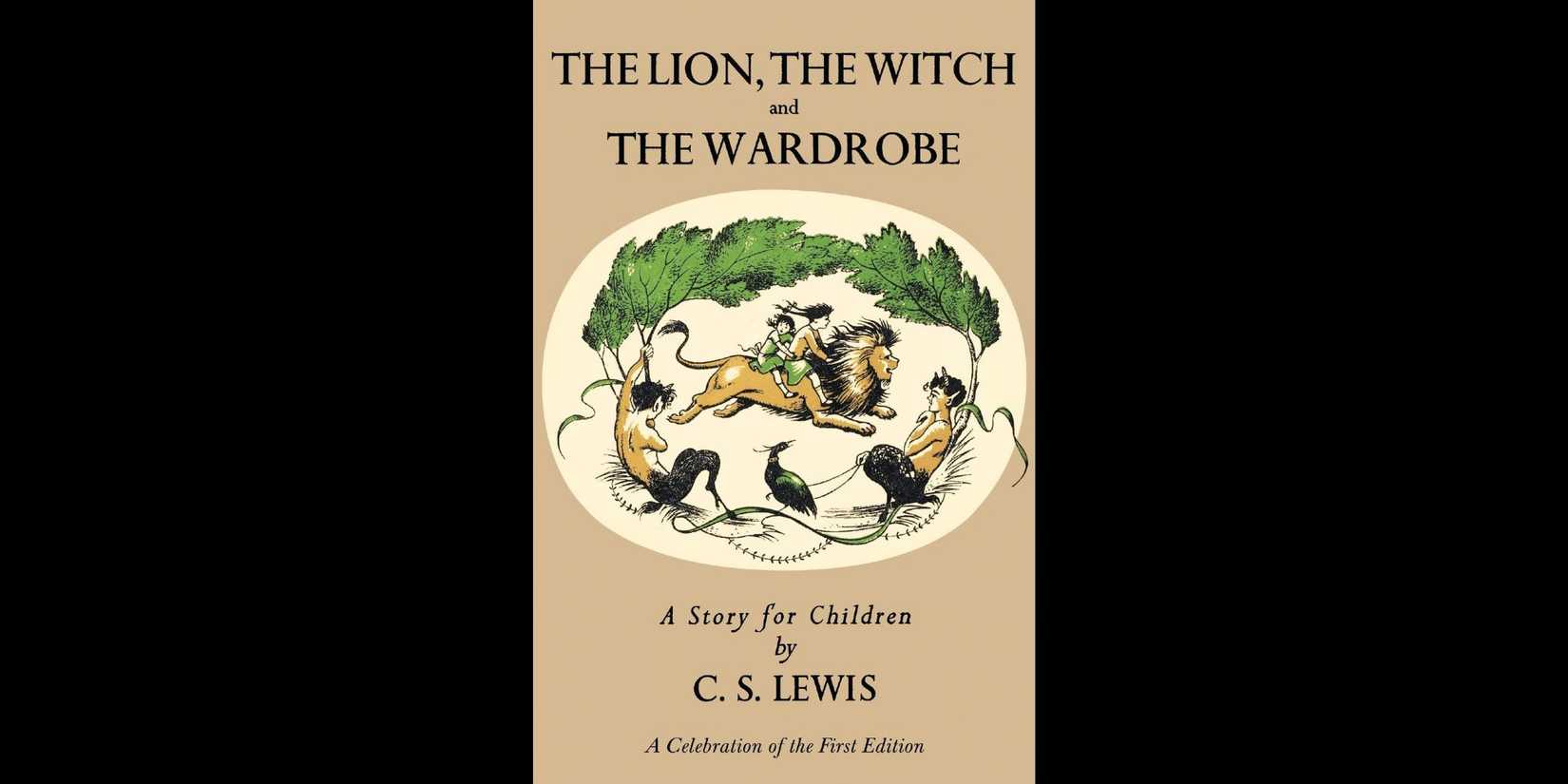
"Once there were four children whose names were Peter, Susan, Edmund and Lucy." It's one of the most enduring images in the whole genre: a character walking through a wardrobe and discovering another world. In this one, Narnia is trapped in perpetual winter under the rule of the White Witch. Lucy and her siblings Peter, Susan, and Edmund become entangled in the resistance against her, eventually joining the great lion Aslan.
Although the story that follows is relatively short (about 150 pages), C.S. Lewis fills it with ideas and creations that generations of readers have remembered: Mr. Tumnus beneath the lamppost, the Witch's sleigh, Edmund's Turkish Delight, Father Christmas distributing gifts, and the Stone Table. The Christian symbolism is hardly hidden, particularly in Aslan's sacrifice and resurrection, but Narnia's appeal extends far beyond allegory. It's the defining work of portal fantasy.
3 'The Hobbit' (1937)
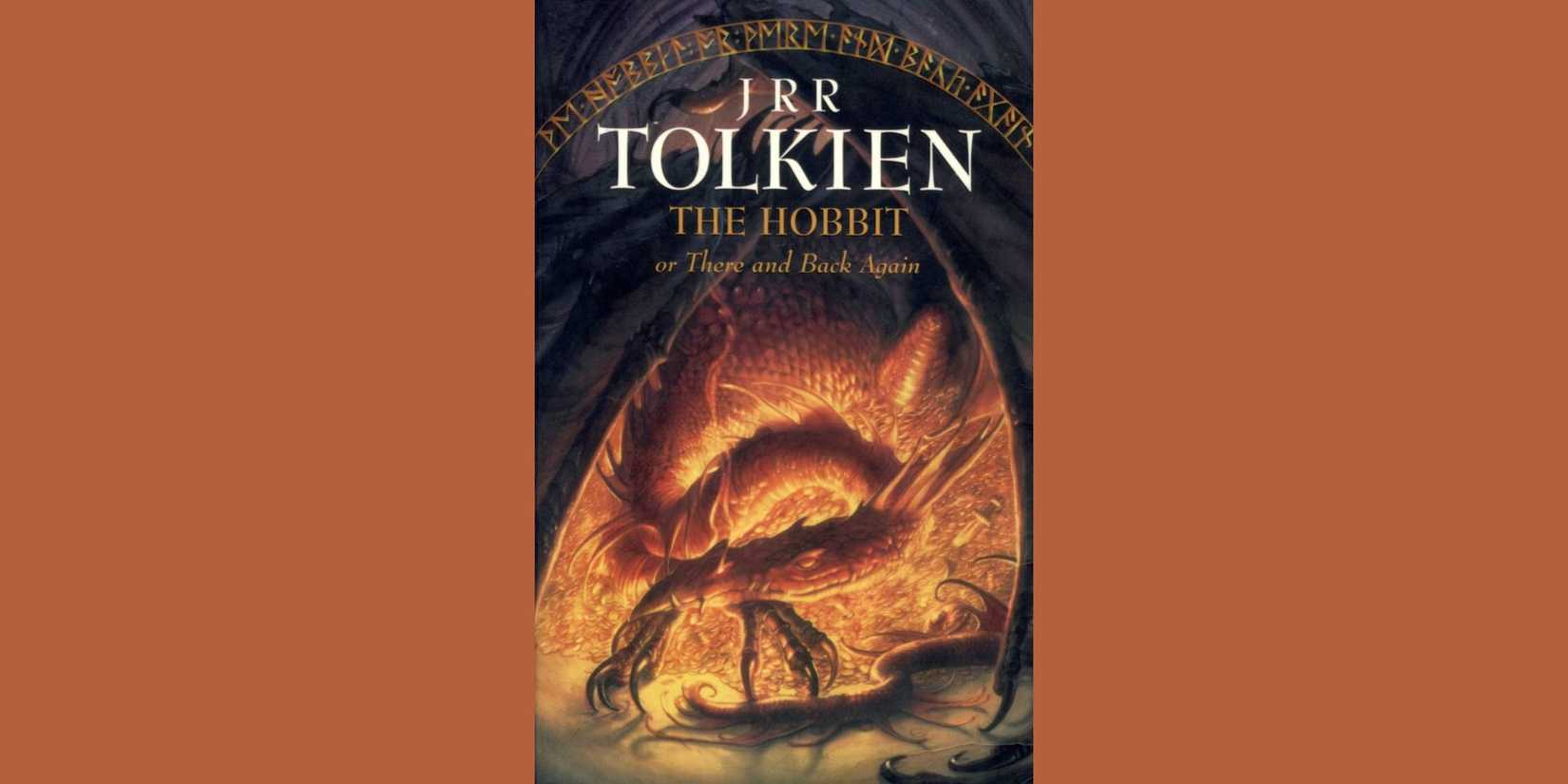
"In a hole in the ground there lived a hobbit." The Lord of the Rings is grander, but The Hobbit is unsurpassed when it comes to pure adventure. It begins with Bilbo Baggins enjoying the comforts of Bag End and having little interest in quests or journeys. Then Gandalf arrives, followed by thirteen dwarves who consume his food, sing about a lost kingdom beneath a mountain, and expect him to accompany them as their burglar.
Soon, the homebody hobbit is contending with trolls, goblins, giant spiders, elves, enchanted forests, ancient ruins, riddles in the dark, and, of course, one of literature's most famous dragons. The story is fun and economical, rarely wasting time, and Bilbo's character arc is deeply compelling. Before our eyes, he develops into someone capable of repeatedly saving his companions. His story still feels vivid and alive almost 90 years since it was published.
2 'A Wizard of Earthsea' (1968)
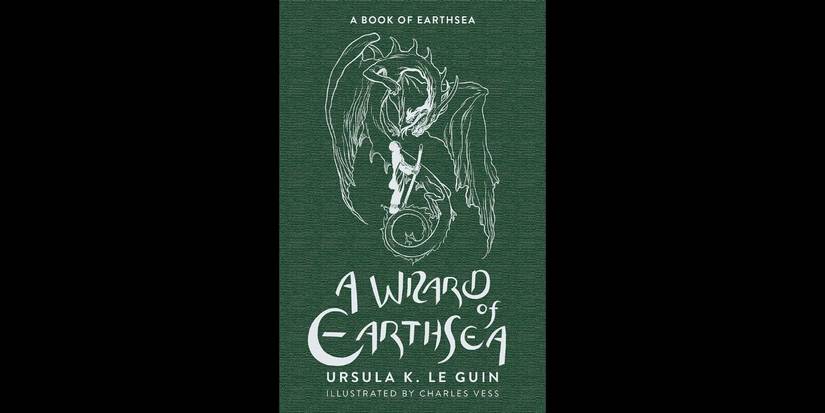
"Only in silence the word, only in dark the light, only in dying life: bright the hawk's flight on the empty sky." One of the genre's greatest coming-of-age stories. In A Wizard of Earthsea, we meet Ged, an arrogant, immensely talented boy who slowly evolves into a wizard forced to confront the consequences of his hunger for power. While studying magic on Roke, Ged recklessly summons a shadow creature that nearly kills him and then pursues him across the archipelago.
Ged initially believes becoming powerful means accumulating greater abilities. His resulting quest teaches him that wisdom may consist of understanding when power shouldn't be used at all. Most importantly, the shadow Ged fights cannot ultimately be defeated like an ordinary monster, meaning his mission must turn inward. Through that, the book says a lot about the parts of ourselves we would rather deny.
1 'The Lord of the Rings' (1954-1955)

"All that is gold does not glitter, not all those who wander are lost." This is the axis around which the whole genre rotates. Arriving in the mid-'50s and heavily shaped by World War II, The Lord of the Rings permanently divided fantasy into before and after. Drawing on folklore staples like elves, dwarves, and magic rings, Tolkien synthesized mythology, linguistics, history, and adventure and grand moral themes into a new blueprint that charmed millions of readers, many of whom would go on to write fantasy books of their own.
The central premise is straightforward: Frodo inherits the One Ring and must carry it to the one place where it can be destroyed. Around that quest, however, we get a collection of layered, lovable characters, each with their own journey, all of them unfolding against a backdrop that feels perfectly realized. Middle-earth is no flimsy set for the plot, but practically a character in its own right.
KioskNews shows a cleaned-up reading view extracted from the publisher’s page — the original always lives on their site, not ours.