How to watch Churchill’s famous polar bears live
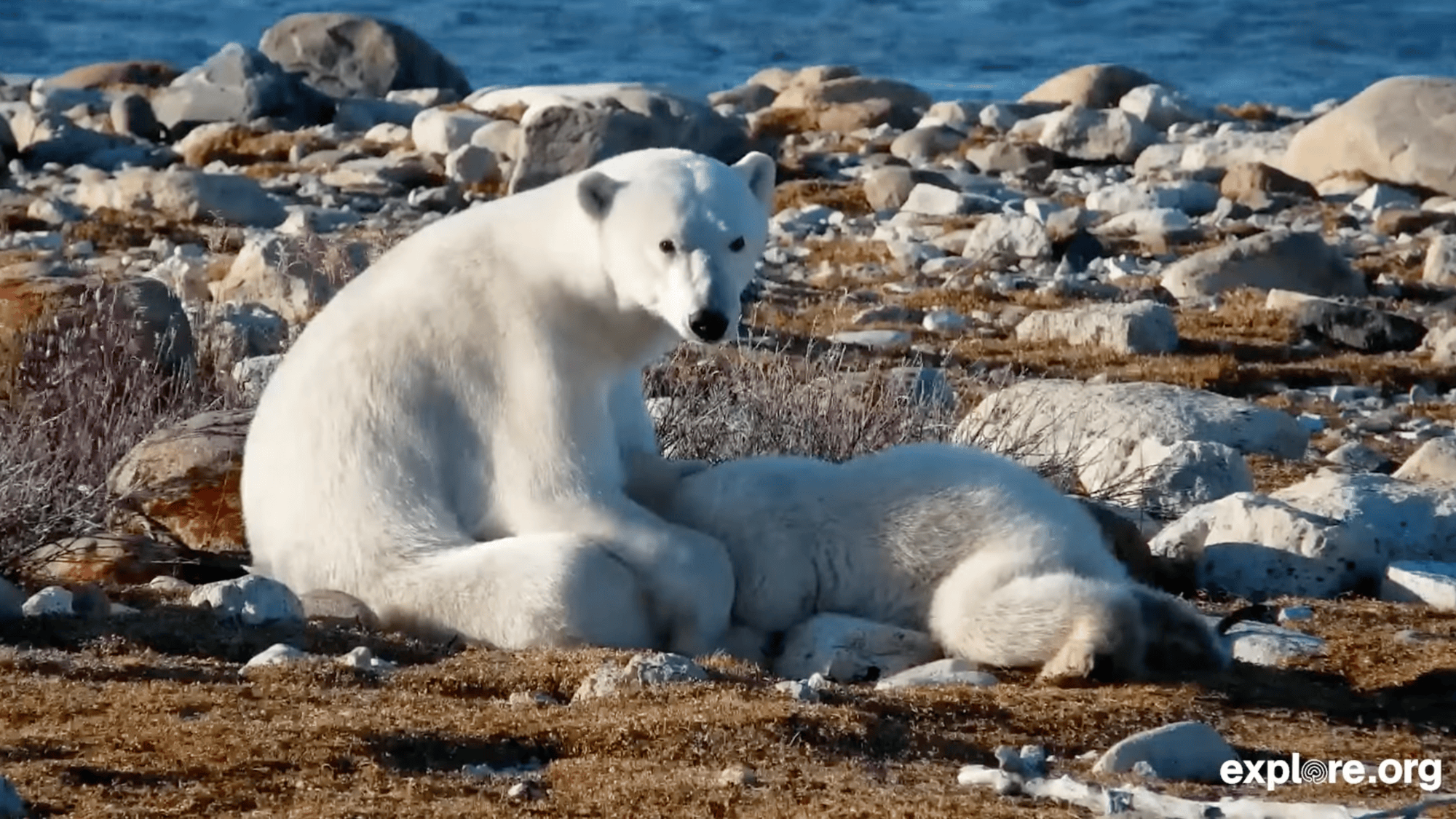
The internet’s favorite Fat Bears in Alaska are not appearing on wildlife cameras quite as much these days. The salmon has been eaten, the Fat Bear Week crown has been won, and it’s time to survive the winter ahead. However, some other bears from the great white north are getting their close-up.
Explore.org and Polar Bears International run eight different livestreams from Churchill, Manitoba, Canada. Known as the polar bear capital of the world, Churchill’s Wapusk National Park is home to one of the world’s largest concentrations of polar bear (Ursus maritimus) maternity dens. During October and November, viewers can watch bear families wait for sea ice to form.

Cape East Camera – Churchill Cam, Wapusk National Park powered by EXPLORE.org
Twenty populations of polar bears live in the Arctic. The population living along the Western Hudson Bay is one of the most comprehensively studied and best known. It is part of Canada’s “Seasonal Ice Ecoregion.” In this area of the Arctic, the sea ice completely melts in the summer, typically in July. While the bears may remain sporadically active on land, in the summer, they generally create day beds or curl up in the bush to rest. The pregnant females will often settle in or near their dens for several months to rest where it is cooler and with less mosquitoes. Many of these dens were first excavated by bears generations ago.
In the fall, all of the bears except the pregnant female will increase their activity and move closer to the coast. Here, the bears will hunt for seals once the bay freezes over again. From early October onward, they will gather on the tundra along the shores of Hudson Bay, waiting for ice to form. As soon as the first coastal ice is thick enough to support their weight, they will head out to find seals. They may continue to trek back and forth between ice and land at first, but they primarily head out onto the bay until it begins to thin and they ashore again in the summer.

LIVE Arctic Tundra: Cape South – Wapusk National Park | explore.org
These cameras are one way for scientists and the public to aid in real scientific research. In December 2025, scientists here confirmed that a wild female polar bear adopted a cub that was not her own. This rare behavior was captured on cameras during the polar bear’s annual migration along Western Hudson Bay.
The mother bear (designated as bear X33991) was first spotted in spring 2025, when she came out of her maternity den with one tagged cub. When scientists saw her again in the fall, she had two cubs. One cub had a tag and one did not, indicating that the untagged cub was not hers. The survival rate for a polar bear cub into adulthood is about 50 percent, so only time will tell how this blended family will do.
Viewers can also take a virtual ride on the Tundra Buggy Lodge from two different angles. The lodge is made of tundra buggies that are linked together like a train. This moving hotel includes staff quarters, a dining area, a supply cart, and two carts for guests.
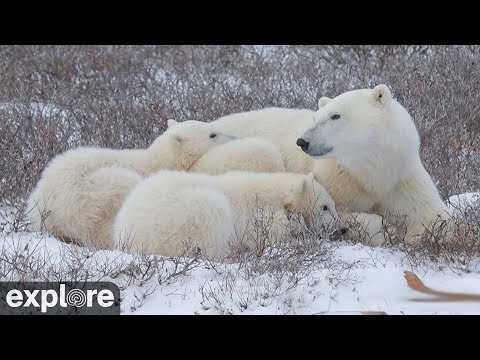
LIVE Polar Bear Cam: Tundra Buggy Lodge North – Polar Bears International | explore.org
By night, viewers can also take in another of the north’s natural wonders with the aurora borealis cam. The northern lights livecam is on top of the Churchill Northern Studies Center and located directly underneath the aurora oval. This spot is considered one of the best places to watch the aurora dance across the night sky. The aurora season is only just beginning, with late winter and early spring being the best times to tune into this camera.
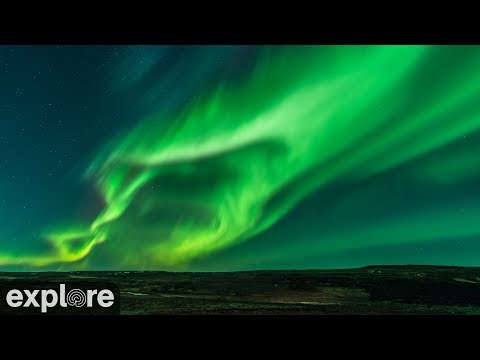
Northern Lights powered by EXPLORE.org
And if birds are more your thing, a raven cam is streaming from Cape Churchill Wapusk National Park. The resident ravens selected the topside of a radar reflector attached to the Cape Churchill observation tower for their nest. This “cabin in the sky” has also been home to numerous biologists researching the local wildlife since the 1970s. This camera will be switched off at night to preserve power.

Churchill Raven Nest Highlights 2021 – 2022
The organizations also provide highlight reels to help viewers catch up on what to watch for this winter. Happy polar bear season!
KioskNews shows a cleaned-up reading view extracted from the publisher’s page — the original always lives on their site, not ours.