Frequently labelled as communists, who are the Democratic Socialists of America?
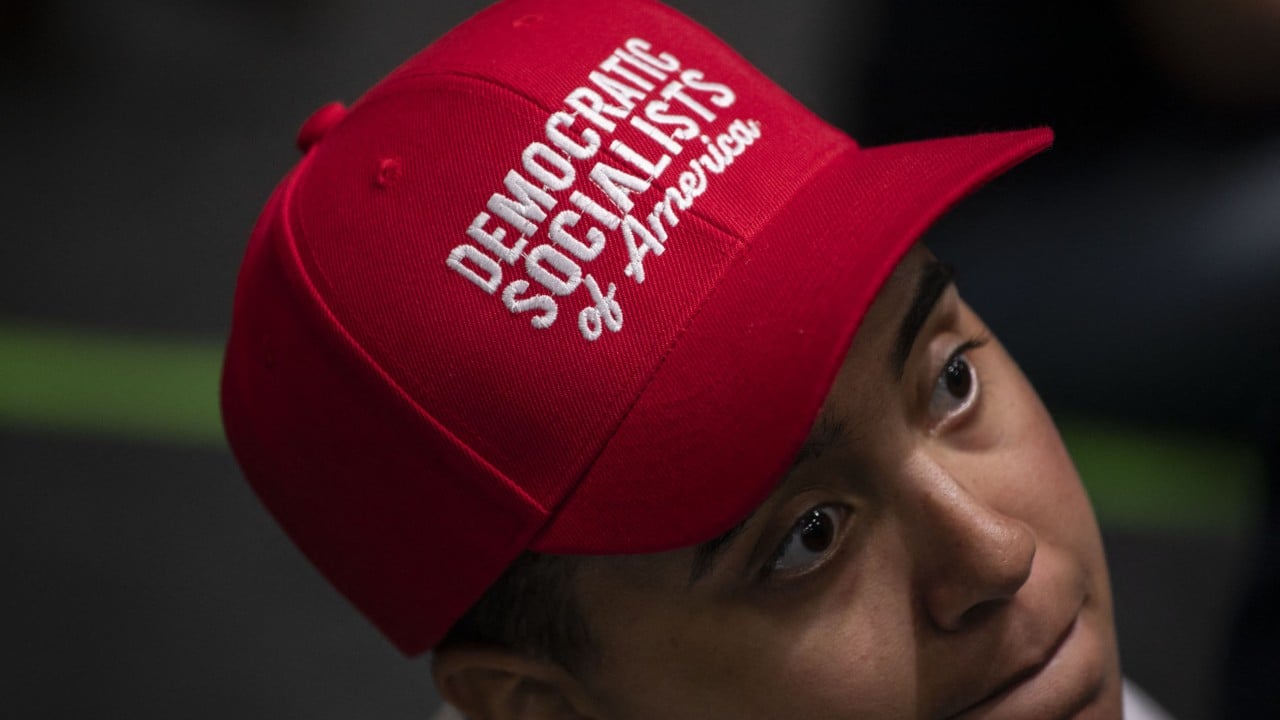
For years, the Democratic Socialists of America (DSA) had little influence over the machinery of the Democratic Party. That is beginning to change.
The organisation has more than doubled its membership since 2024, reaching roughly 120,000, while growing numbers of DSA-backed candidates are positioning to expand its presence in Congress from two members to as many as seven.
The breakthrough came in New York, where Zohran Mamdani’s victory in the 2025 mayoral race gave the movement its biggest electoral triumph yet.
Running on housing affordability, public transport and the rising cost of everyday essentials, Mamdani defeated former governor Andrew Cuomo in a high-turnout contest.
His victory showed that the DSA’s economic message could resonate well beyond its traditional political base.
00:48
New York mayor Zohran Mamdani speaks Chinese on social media, earns praise
From City Hall to Capitol Hill
The DSA is not a third party but a left-wing organisation that operates within the Democratic Party, backing candidates in its primaries.
Founded in 1982, it brought together two strands of the American left under the leadership of writer and activist Michael Harrington: an older social-democratic movement and former New Left activists of the 1960s.
The merger came during the early Reagan years, when the left was politically weakened and conservatives dominated Washington.
Harrington’s bet was that the left would have more influence working within the Democratic Party than competing against it. For decades, however, the organisation remained a relatively small presence in American politics.
Its platform calls for stronger public control over key industries, higher taxes on wealth, a Medicare for All system and a less interventionist American foreign policy.
The group’s rise has come in waves. Bernie Sanders, with his presidential campaigns in 2016 and 2020, brought democratic socialism into the national conversation. Alexandria Ocasio-Cortez’s 2018 congressional victory gave the movement a new generation of political leaders. Mamdani’s success provided another catalyst.
That momentum carried into the 2026 Democratic primaries.
In New York, Mamdani endorsed a slate of candidates that unseated incumbents and establishment favourites. Darializa Avila Chevalier and Claire Valdez are among those seeking deep-blue House seats.
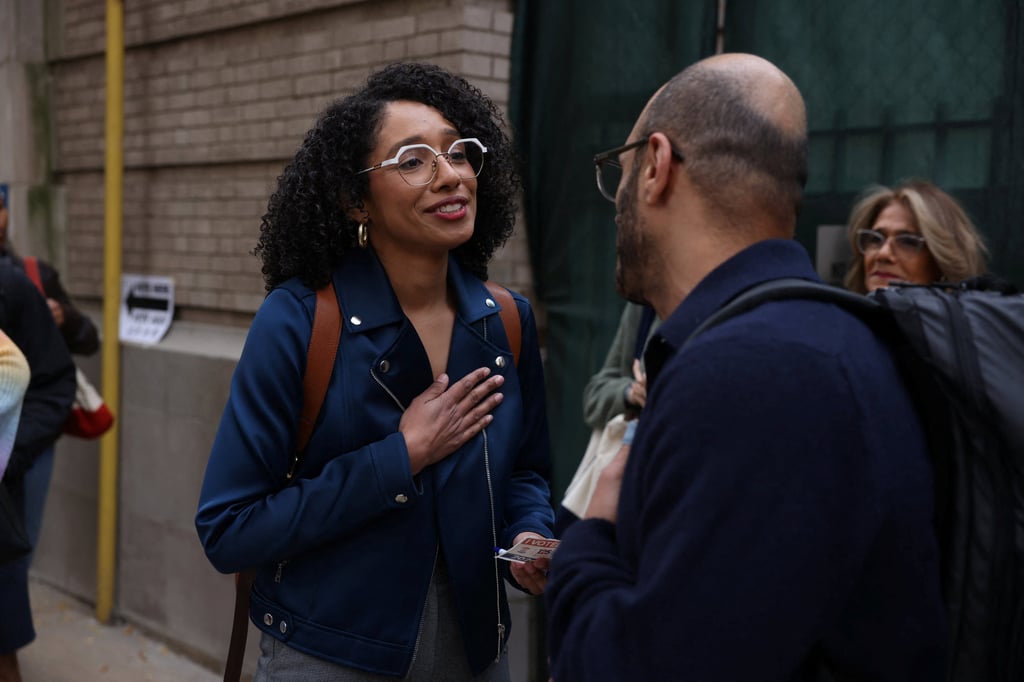
Chris Rabb in Pennsylvania, Melat Kiros in Colorado and Donavan McKinney in Michigan are also among the candidates seeking to expand the DSA’s congressional presence. If they prevail, the House could see a significantly larger organised socialist bloc than in recent decades.
However, the progressive movement’s reach extends beyond the DSA itself. In Michigan, Abdul El-Sayed, a former public health official with a history of appearing at Detroit DSA events, won the Democratic Senate primary.
El-Sayed has said he is not a socialist and supports regulated capitalism, but has received backing from Sanders and Ocasio-Cortez. In October, Ocasio-Cortez transferred US$1 million from her own campaign to his Senate effort.
Online, the DSA has also attracted support from figures such as Twitch streamer Hasan Piker, whom the organisation has publicly described as “our Twitch streamer”.
Piker has campaigned for DSA-backed candidates and attracted a large following among younger Americans.
He has also criticised what he sees as reflexive US hostility towards China. Following a visit to the country, he highlighted its infrastructure development and poverty-reduction record.
A growing challenge for Democratic leaders
The movement’s gains have not gone unnoticed by the Democratic establishment. House Minority Leader Hakeem Jeffries has said he does not support the DSA’s agenda as the organisation itself defines it.
Party strategists worry that a larger socialist bloc could complicate efforts to maintain party unity and make it harder to win competitive districts.
Most DSA-backed candidates are running in safely Democratic seats, limiting the immediate electoral risk. But their presence could give the left greater leverage over legislative priorities and the party’s direction heading into 2028.
03:00
The global impact of the coming US midterm elections under Donald Trump
Could Beijing benefit from the socialist surge?
The DSA has long favoured a less confrontational US foreign policy. Its members have been sceptical of military expansion, intensifying strategic competition and broad technology restrictions on China, arguing that such measures risk escalating tensions and imposing costs on American workers.
A larger DSA contingent in Congress would not rewrite Washington’s China policy overnight. Nor would it automatically produce a more accommodating approach towards Beijing. But it could make an already difficult bipartisan consensus harder to maintain.
The new lawmakers are more likely to exert incremental pressure: questioning military expansion, challenging broad technology restrictions and pressing Democrats to reconsider the costs of economic decoupling.
“Climate change will require global cooperation, and whether we like it or not, China is a global superpower,” said Curtis Hagans, chairman of the Metro DC Democratic Socialists of America chapter.
However, he clarified that DSA as an organisation does not have a unified position on China.
The outfit has previously advocated reducing tensions with Beijing. Among its midterm candidates, New York’s Claire Valdez supports de-escalation and renewed climate diplomacy, arguing that US-China rivalry undermines cooperation on climate change.
KioskNews shows a cleaned-up reading view extracted from the publisher’s page — the original always lives on their site, not ours.