The 10 Most Universally Acclaimed Movies of All Time, Ranked

Jeremy has more than 2800 published articles on Collider to his name, and has been writing for the site since February 2022. He's an omnivore when it comes to his movie-watching diet, so will gladly watch and write about almost anything, from old Godzilla films to gangster flicks to samurai movies to classic musicals to the French New Wave to the MCU... well, maybe not the Disney+ shows.
His favorite directors include Martin Scorsese, Sergio Leone, Akira Kurosawa, Quentin Tarantino, Werner Herzog, John Woo, Bob Fosse, Fritz Lang, Guillermo del Toro, and Yoji Yamada. He's also very proud of the fact that he's seen every single Nicolas Cage movie released before 2022, even though doing so often felt like a tremendous waste of time. He's plagued by the question of whether or not The Room is genuinely terrible or some kind of accidental masterpiece, and has been for more than 12 years (and a similar number of viewings).
When he's not writing lists - and the occasional feature article - for Collider, he also likes to upload film reviews to his Letterboxd profile (username: Jeremy Urquhart) and Instagram account.
He has achieved his 2025 goal of reading all 13,467 novels written by Stephen King, and plans to spend the next year or two getting through the author's 82,756 short stories and 105,433 novellas.
Sign in to your Collider account
There is a slight difference between “universally beloved” and “universally acclaimed.” The former has been written about on this very website before, with that endeavor intending to showcase mass-appeal movies that were also undeniable crowd-pleasers. Two of the films there also appear below, because there’s often a bit of overlap between movies that general audiences and critics/potentially more pretentious people seem to like.
The ones below, though, are here because of the critical responses they inspired, with a few very much not being crowd-pleasers, though some are easy to recommend. If a movie’s introduction on Wikipedia mentions something along the lines of “it’s considered one of the greatest of all time,” then it’s got a decent chance of showing up here. There are a couple of 21st-century movies here as well, and their Wikipedia pages say something like they're “considered one of the greatest of the century so far,” but in time, they’ll probably become genuine all-timers/classics, too.
10 '2001: A Space Odyssey' (1968)
Hey, that 2001: A Space Odyssey movie is a pretty big deal, and the same can be said for the book of the same name, which came out the same year as the film (so calling the former an adaptation of the latter, in the traditional sense, is kind of hard to do). It’s also a big movie in terms of what it wants to cover, because it’s about humanity’s past, near-future (at the time of release), and distant future.
It’s largely about evolution, and what the future might have in store, doing so in a way that’s still technically impressive nearly 60 years on from release. Speaking of being released, 2001: A Space Odyssey wasn’t as beloved critically in 1968 as it is now, but it did make an impression nonetheless all those decades ago, and time’s been very kind to it, with the years that have passed since helping it feel all the more impressive, even well beyond the year referred to in the film’s title.
9 'Tokyo Story' (1953)

As far as arthouse movies go, Tokyo Story is one of the more approachable ones, even if it’s still somewhat challenging with what it does emotionally, and how it unfolds pacing-wise (very patiently). There’s a brutal honesty here, as far as family dramas go, but also a good deal of empathy, with the narrative best broken down as being about an elderly couple who travel to visit their now-adult children and their grandchildren, but they find their younger relatives all seem to live lives that are too busy to include them.
It’s a slow film, and a sad one, but it’s undoubtedly rewarding and rather timeless with what it’s able to do as a drama.
So, Tokyo Story is a movie about getting old, and then it’s also very much about not taking older relatives for granted while they're still with you, if you're looking at it in terms of what it says about the other characters. It’s a slow film, and a sad one, but it’s undoubtedly rewarding and rather timeless with what it’s able to do as a drama, and it’s hard to ignore just how much praise has been heaped upon it, critically speaking.
8 'Vertigo' (1958)
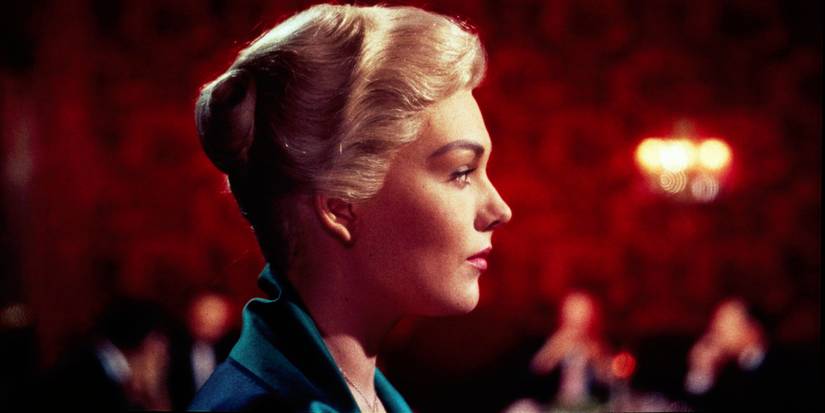
Vertigo is mostly worthy of being here because it was, for a while, the top movie on the Sight & Sound poll, dethroning another movie that’d been there for decades (more on that one a little later). It topped the poll in 2012, with 2022 coming around and seeing it dethroned by Jeanne Dielman, 23 quai du Commerce, 1080 Bruxelles, but that’s a frankly absurd pick that will not be #1 when the poll is done again in 2032. That is being called right now.
Well, okay, like Jeanne Dielman, 23 quai du Commerce, 1080 Bruxelles, Vertigo is also slow, but not nearly as painfully slow, and it’s more rewarding in the end. It feels more cinematic, like an actual film, and it’s kind of comparable to 2001: A Space Odyssey in the sense that time has been kind to it, and the praise for what it did, as a cinematic achievement, has grown over the decades for sure.
7 'Parasite' (2019)
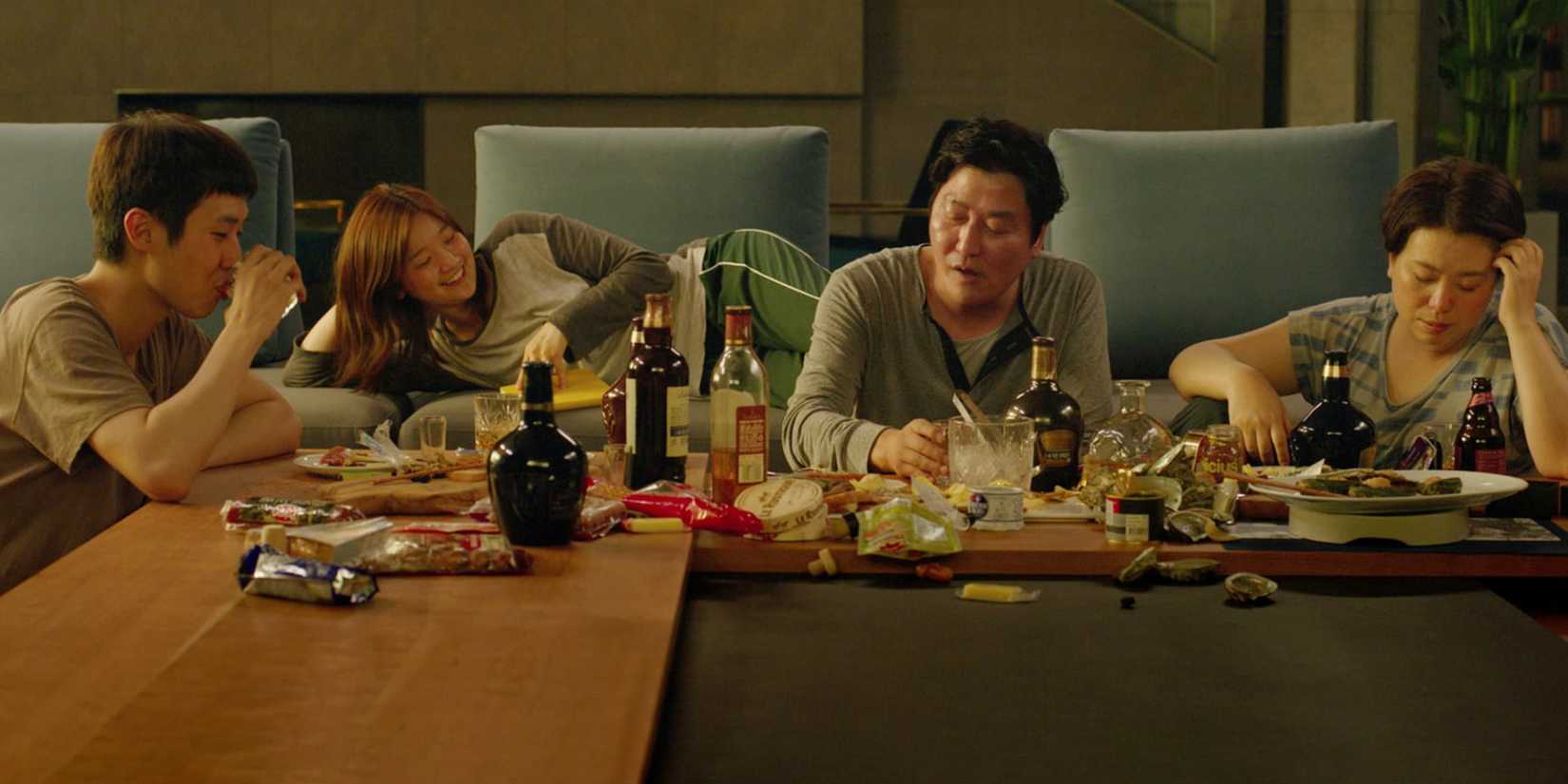
Not that all the Best Picture winners in Oscar history are necessarily critically acclaimed by default (there have been some controversial picks and all), but Parasite is easily up there as one of the very best of the Best Picture winners of the century so far, or maybe even of all time. It might sound hyperbolic, but it’s not really hyperbole if the movie is as good as Parasite and genuinely deserves quite a bit by way of praise that might initially sound extreme.
Genre-wise, Parasite does a lot, being a dramedy about class and wealth, with a focus on two families that aren’t super different in some ways, but are different in terms of the lives they live, and then it becomes darker and more of a thriller as it goes along, with a broader focus than what was suggested earlier. It’s never too much or out-of-control in a genuinely bad and/or chaotic way, instead rather perfectly pushing things to the limit (but never over) throughout, and genuinely feeling like one of those rare instant masterpieces.
6 'Ratatouille' (2007)

The one other 21st century release that’s going to be included here, right next to Parasite, is Ratatouille. There’s nothing either of these movies does wrong, with even near-misfires not being noticeable in either. That’s where the comparisons have to stop, though, because Ratatouille is quite different tonally and visually, being an animated movie that is suitable for all ages, but not necessarily one that’s easy to call a kid’s movie in the traditional sense.
You can be a younger viewer and still enjoy Ratatouille, and then you can also be an older viewer, and you'll probably find yourself enjoying it even more. It takes a premise that shouldn’t work and makes it work better than 99% of the premises out there that, on paper, sound like they should work. There’s an effortlessness here, in making something that’s honestly quite odd work 100% of the time, and how Pixar pulled it off this well remains a mystery, to be perfectly blunt.
5 'The Empire Strikes Back' (1980)
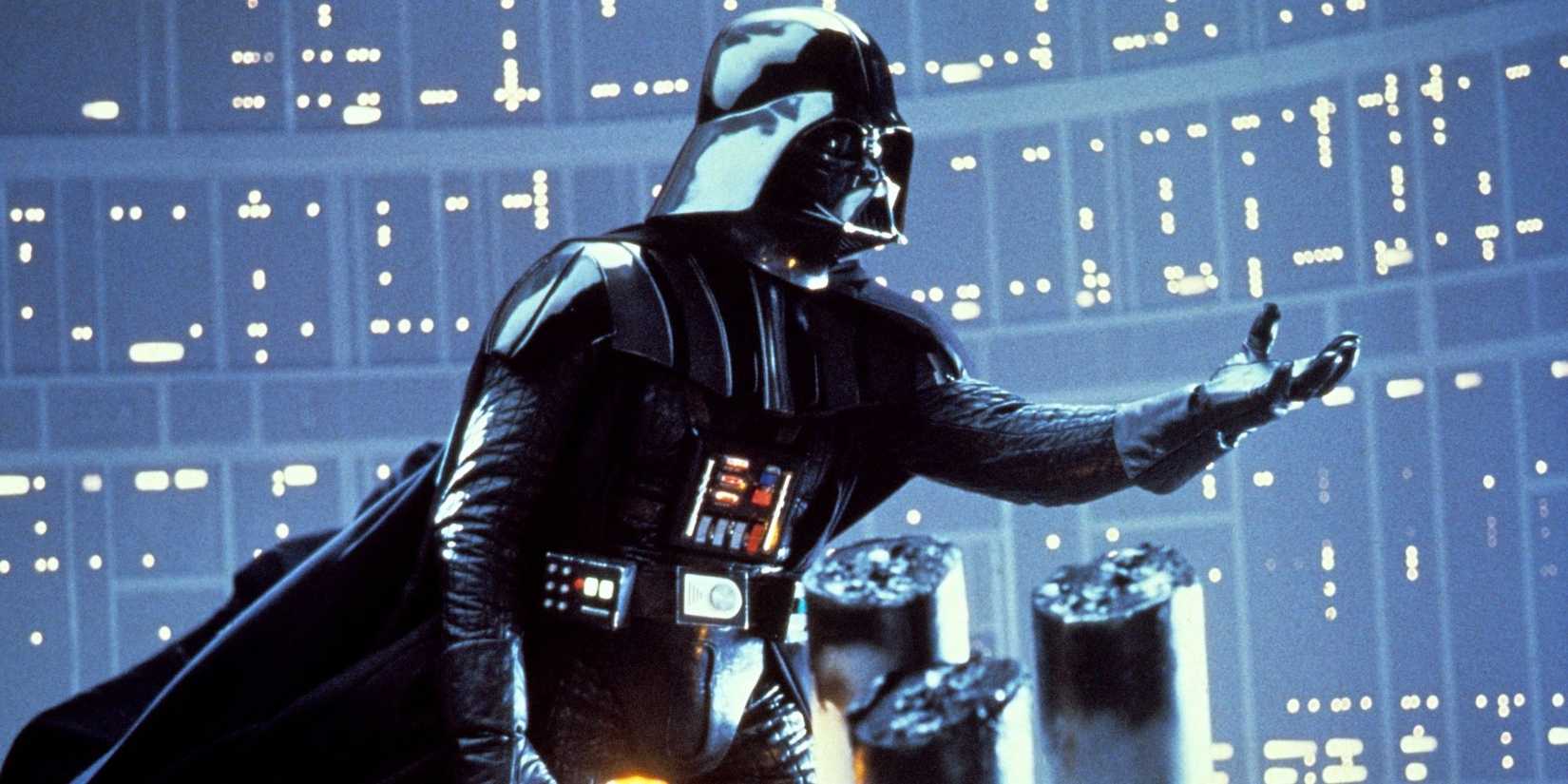
Technically, Star Wars is soft sci-fi, rather than hard sci-fi, but that hardly matters. If you want to call it fantasy, as a series, then when it’s at its best, it represents fantasy at its best. And if you want to call it some kind of science fiction, then it’s also representative of science fiction at, you know, its best. And the best of the best generally, when it comes to Star Wars, is the second movie released, but the fifth one if you're looking at the series overall.
It is, obviously, The Empire Strikes Back, which gets off to a phenomenal start and then never really lets up, all before building to that beyond-famous conclusion. However you want to classify this movie, it’s absolutely perfect within that genre. Everything here works, and the way it took everything great about the original Star Wars and improved it all remains a staggering achievement to simply try and comprehend to this date.
4 'Seven Samurai' (1954)

Akira Kurosawa undoubtedly knew how to helm an epic movie, but even then, he went above and beyond with Seven Samurai, crafting something rather perfect in every regard, not to mention beyond influential. It’s got a plot that might sound familiar nowadays, since it’s about a team being assembled to prepare for a battle with undeniably high stakes, but it did that sort of thing on a larger scale – and with more care – than had been done before 1954.
The whole action genre might've eventually caught up to Seven Samurai, but if you're looking at epic films that also function as action movies, it’s still pretty much unmatched. There is nothing Seven Samurai does wrong, from start to finish, and it passes by in what feels like very little time at all, considering how long the runtime is, and also taking into account how old the film is (as well as how much slower movies back then could be, compared to more modern releases).
3 'Casablanca' (1942)

Possibly the most quotable movie of all time, Casablanca is so perfectly written that it’s hard to wrap one’s head around. Beyond the dialogue, this film’s also paced extremely fast for something released so long ago, and there are quite a few characters balanced throughout, alongside different genres tapped into. Further, it’s tonally varied, because Casablanca jumps between being sad, tense, funny, and romantic without breaking any kind of sweat.
And it does it all within a slim runtime of well under two hours, all the while building to what has to be one of the greatest endings in cinema history. You can’t find a nit to pick in Casablanca, no matter how hard you try. It was quite well-liked back in the early 1940s, owing to its Best Picture win at the Oscars and all, but it’s yet another movie that’s found itself more critically acclaimed and beloved – funnily enough – as time goes by.
2 'Citizen Kane' (1941)
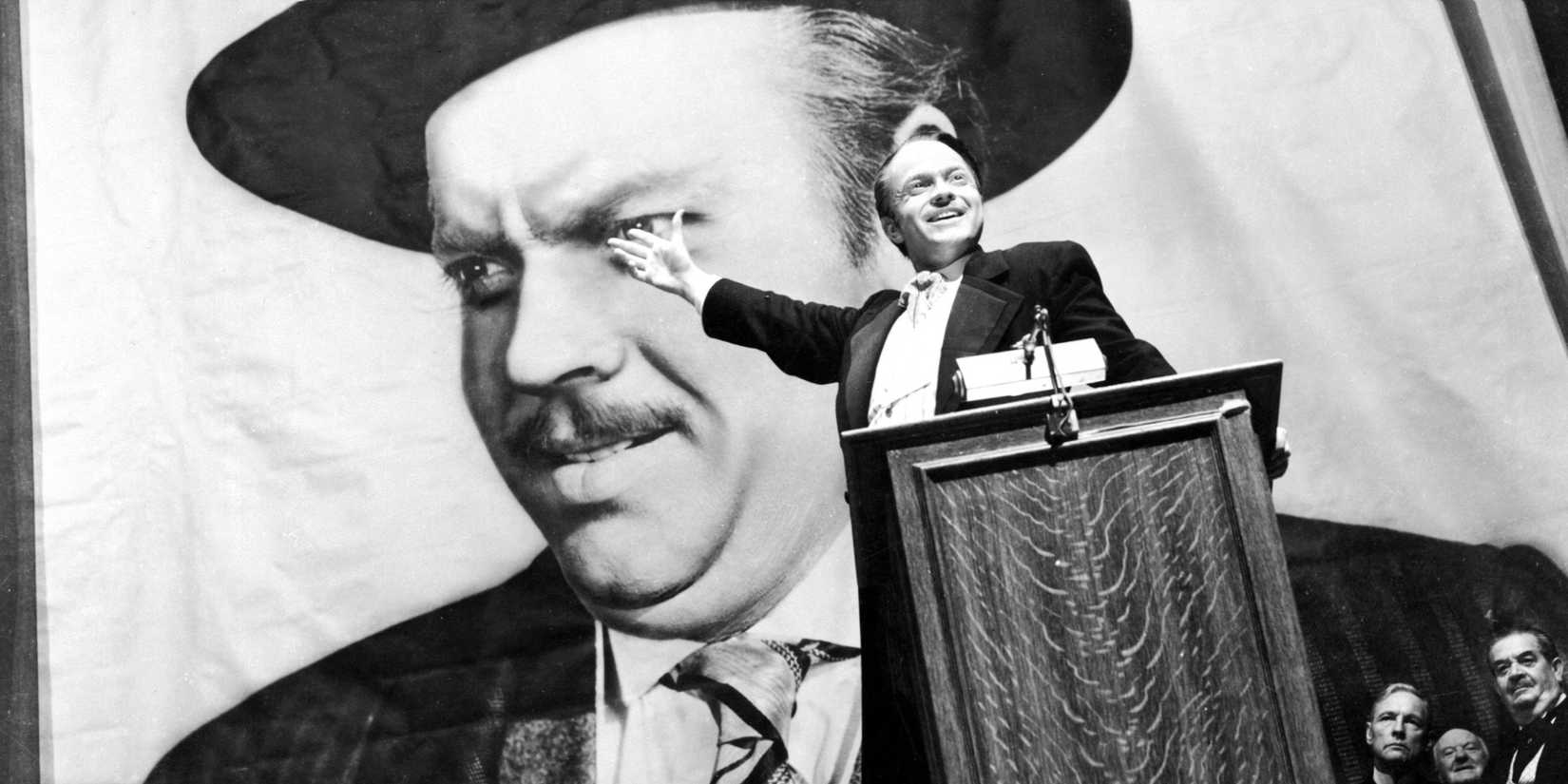
Citizen Kane is one of those all-timer films that’s hard to criticize, unless you want to hit it with the accusation that it’s overrated. Maybe if you go into it expecting the best movie of all time, and then you find it’s not actually your personal favorite movie of all time, some disappointment will be felt, but that’s life, and it’s also something you learn to control as you get older and watch more classics. There is a need to consider what a movie did at – and for – the time it was released.
On that front, Citizen Kane is undoubtedly radical and boundary-pushing, because while there had been masterpieces before 1941, there hadn’t been a pure drama film quite as strong pre-1941. It’s the achievement Orson Welles never quite topped, despite it coming so early on in his career, but at the same time, that’s forgivable when one of your earliest creative efforts is as great as this film is (and there are plenty of Welles-directed movies that followed which remain worth exploring, too).
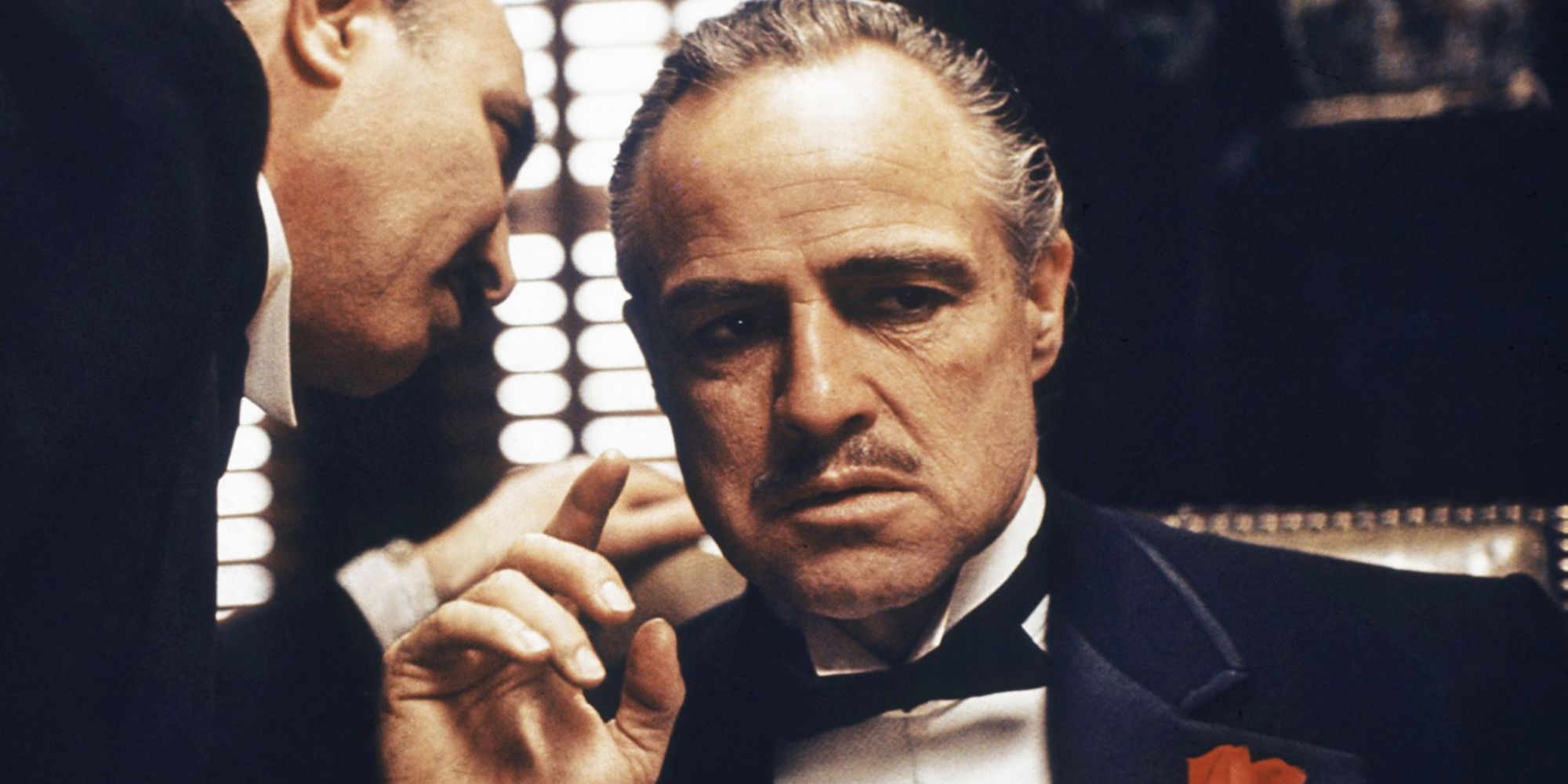
1 'The Godfather' (1972)
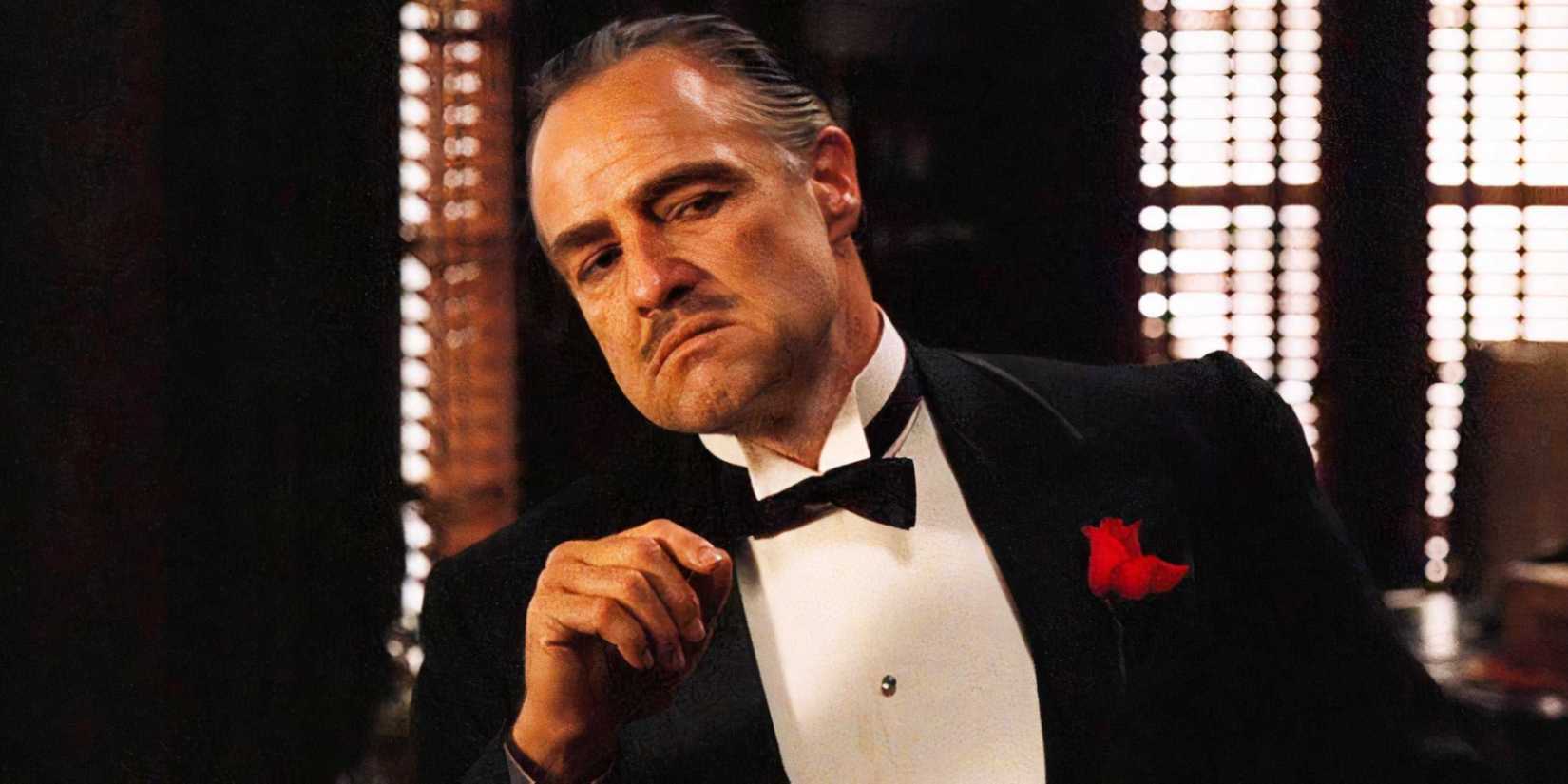
So, yes, The Godfather is about as legendary as movies get, and the sort of untouchable title that you're probably tired of hearing about by now. That tiredness might extend to the feeling you get seeing it occupy the #1 spot here, but isn't that a testament to it being about as critically acclaimed as movies get? One has to weigh up the disappointment people feel seeing it here against the disappointment people might've felt had it not been included here at all.
It is just that good, though, living up to the hype no matter how strong that hype sometimes feels, and being a great foundation for the also excellent The Godfather Part II to build upon. There’s another point of controversy, perhaps: including The Godfather but not The Godfather Part II. Well, the latter’s been honorably mentioned. It’s pretty much just as good. It’s great in some similar ways and some different ways. Both are absolute classics, and well beyond required/essential viewing and stuff.
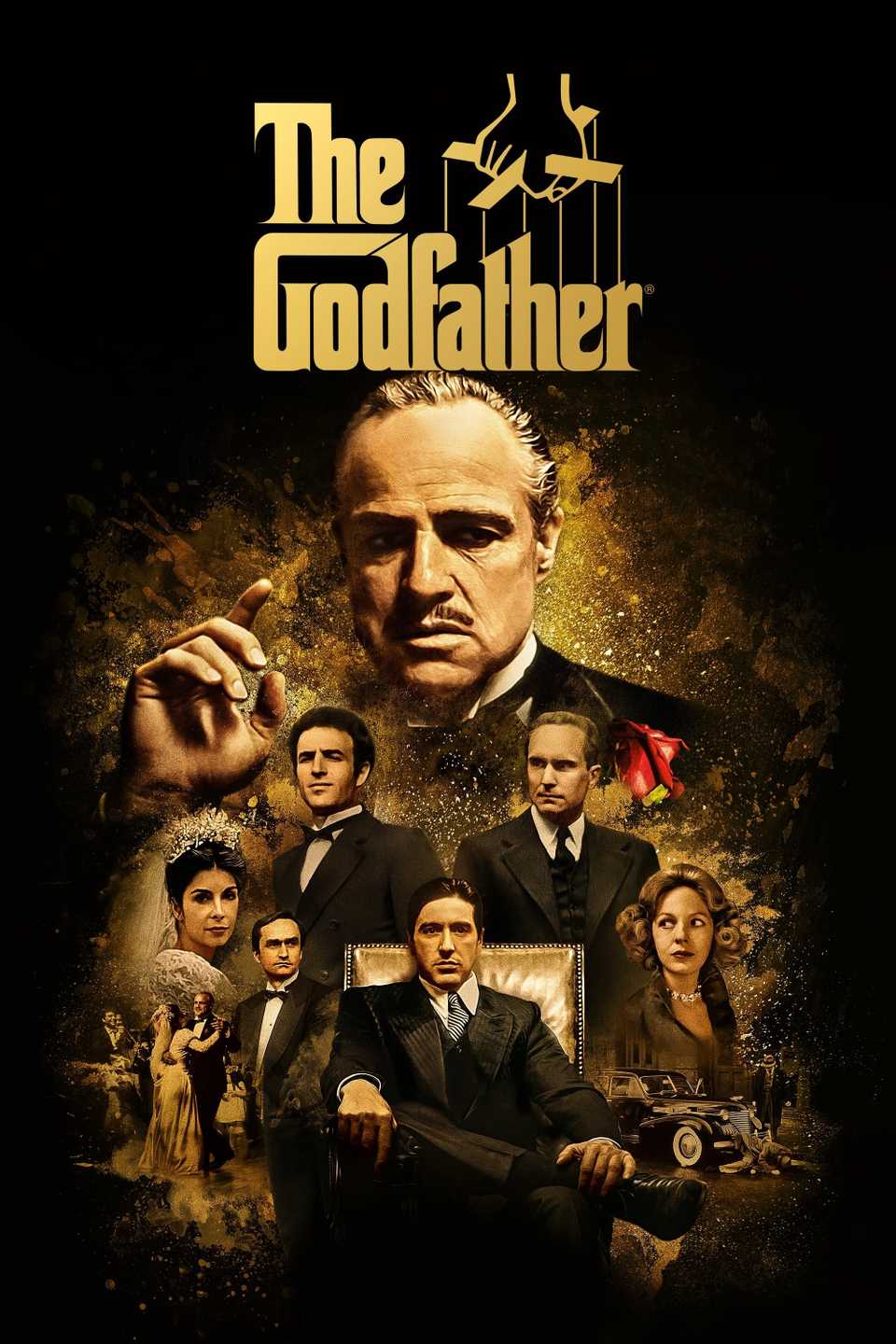
The Godfather
- Release Date
- March 24, 1972
- Runtime
- 175 minutes
- Director
- Francis Ford Coppola
- Writers
- Mario Puzo, Francis Ford Coppola
KioskNews shows a cleaned-up reading view extracted from the publisher’s page — the original always lives on their site, not ours.