As profits fall, China’s carmakers pass financial strain on to suppliers, expert says
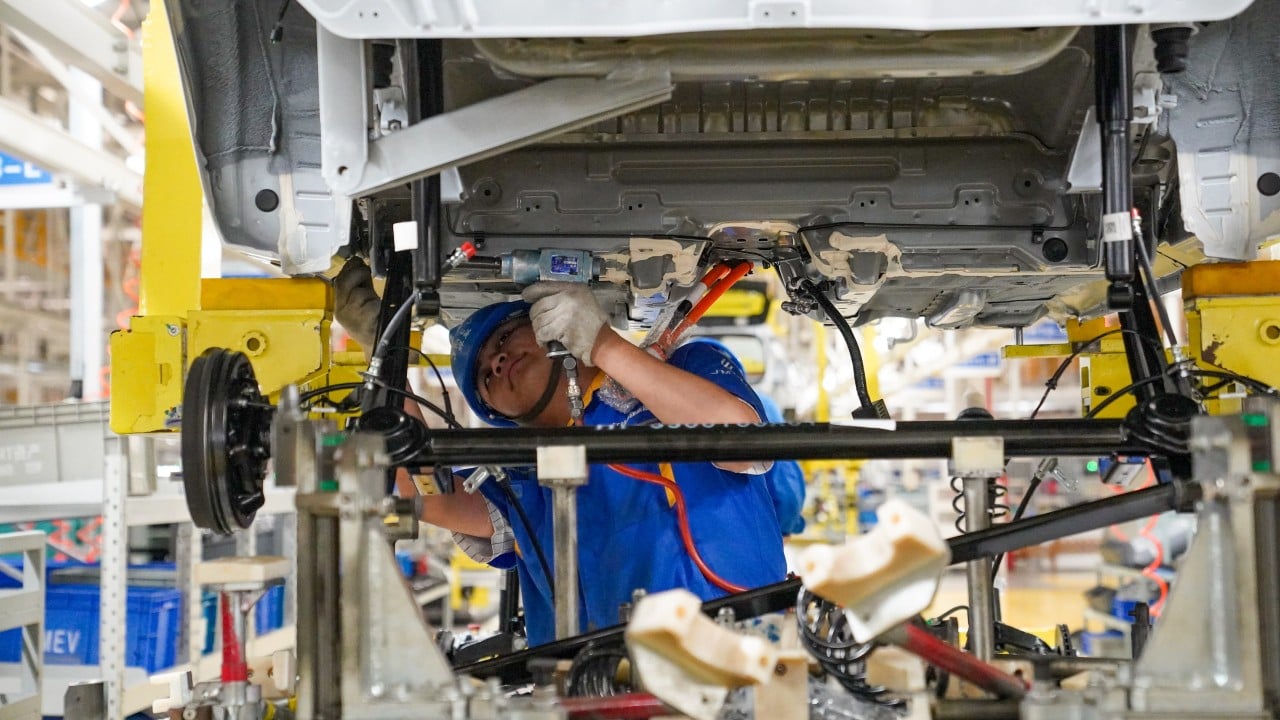
China’s auto industry faces mounting cash-flow pressure as receivables climb and collection periods lengthen amid a price war, an industry expert says, warning that the strain is squeezing suppliers’ finances and undermining long-term investment in innovation.
As of the end of September, outstanding receivables in China’s auto manufacturing sector had approached 3 trillion yuan (US$450 billion), their highest level in three years, Cui Dongshu, secretary general of the China Passenger Car Association, wrote in a post on Tuesday.
Receivables, which represent money owed to companies by their customers, had risen steadily since February, Cui said, citing data from the National Bureau of Statistics.
“This shows that cash flow across the automotive supply chain is under severe strain,” Cui said, adding that carmakers, facing shrinking profit margins, were passing mounting financial pressure on to midstream component suppliers.
In the first three quarters, profits in the auto sector fell 23 per cent year on year, while its profit margin stood at just 3.3 per cent, compared with the 5.7 per cent average for industrial enterprises nationwide, according to Cui.
Meanwhile, the average receivables turnover period in the auto manufacturing sector has remained at about 100 days throughout this year, up from around 90 days last year.
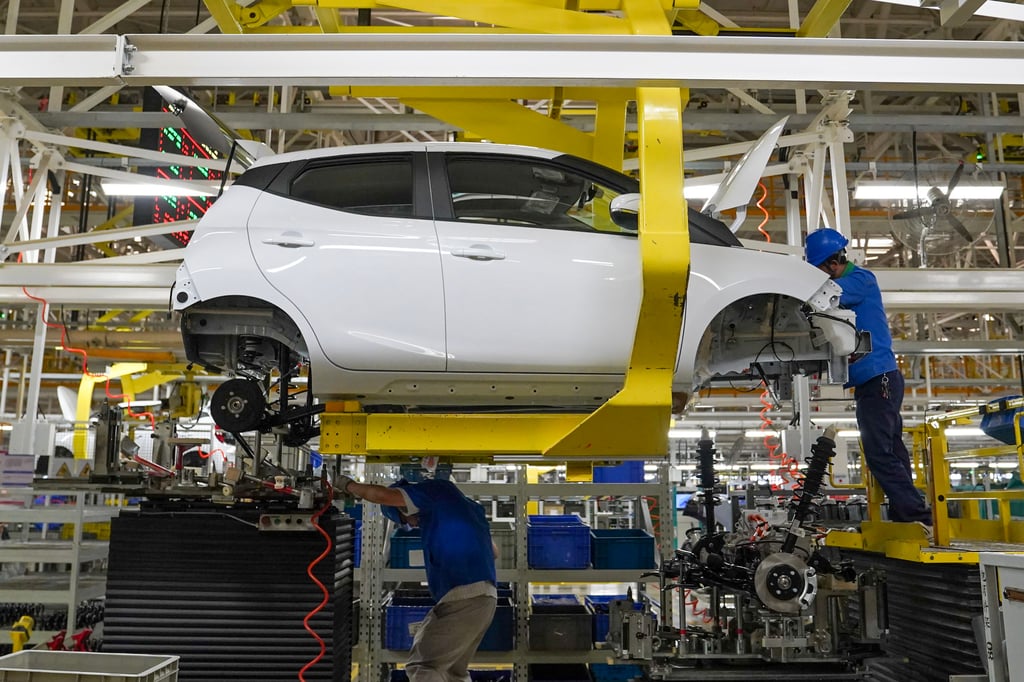
As China’s carmakers continue to face fierce domestic competition, some have extended payment cycles to keep funds in reserve to offset industry-wide price drops.
However, Cui warned that the prolonged payment cycles were “draining smaller suppliers’ cash flow, putting them at risk of liquidity crises and leaving the industry with less capacity to invest in technological innovation”.
This could further fuel the vicious cycle of the price war, Cui added, warning that if smaller suppliers were driven out of business by financial pressures, carmakers would inevitably face supply disruptions and a decline in product quality.
Beijing has stepped up efforts to tackle the issue, releasing a dedicated notice in early September that requires carmakers to pay their parts suppliers and service providers within 60 days.
Regulators said they would also jointly summon companies with large outstanding payables, those deliberately extending payment terms and those facing repeated complaints from small and medium-sized suppliers.
“We need to ensure healthy cash flow throughout the supply chain and move away from a zero-sum game that hurts all parties,” Cui said in the post.
“Only then can China’s auto industry move beyond price competition towards higher-quality, mutually beneficial growth and compete more effectively in global markets.”
KioskNews shows a cleaned-up reading view extracted from the publisher’s page — the original always lives on their site, not ours.