The ultra-rich face … accountability? Manchester City and Clippers verdicts show it’s possible | Leander Schaerlaeckens

The first stage of billionaire exposure to accountability is vociferous denial.
The second is bafflement that such an earthly and proletarian problem should even be allowed to happen to you, titan of industry, pillar of society, master of man and beast alike.
The third is a milquetoast non-apology apology “for the distraction and distress this matter has caused”, after issuing a total and belligerent denial through your proxies.
The fourth stage? We’ll know soon enough.
Within the last month, we have traipsed, on tiptoes, into a strange new age where some modicum of repercussion may occasionally threaten the billionaire class – albeit strictly limited to the confines of sports, where nothing actually matters. It’s a new and funny feeling in an age when it seems that the 1% don’t just get a bespoke business climate, where taxation and regulation are administered on an opt-in basis, but their own concierge service from the justice system, too.
Setting aside for the moment the argument of whether billionaires should exist at all, or whether they are a flagrant failure of fiscal policy, this is a remarkable turn of events.
On 2 September, the NBA released the findings of an investigation: The Los Angeles Clippers and their owner Steve Ballmer were officially caught paying star forward Kawhi Leonard $28m off the books for a no-show job with a supposed sponsor, circumventing the league’s salary cap. The Clippers were docked five first-round picks and fined $30m. Ballmer, the ninth richest man in the world, was suspended from involvement with his team for a year. Initially, the Clippers issued a statement, snarling that they “vehemently reject the NBA’s findings, which are the result of a heavily biased investigation seeking to justify a predetermined narrative rather than facts and evidence”.
Then, the team accepted the punishment.
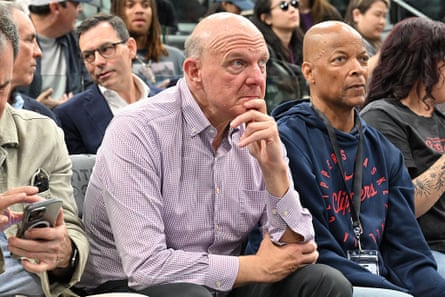
After all, they were caught bang to rights, after a year-long investigation by journalist Pablo Torre and his podcast, Pablo Torre Finds Out, which won a Pulitzer Prize for its work. The podcast unfurled its findings over several episodes and faced deep skepticism, including from Mark Cuban, Dallas Mavericks minority owner and Ballmer’s fellow billionaire. “I’m on Team Ballmer,” Cuban had previously posted in an act of class solidarity. “Steve isn’t that dumb.”
Ballmer, it should be noted, was only allowed to buy the Clippers when the team’s previous owner, Donald Sterling, was more or less expelled from the league over racist comments; another rare time that an owner was brushed back, especially by their own kind.
Then, last week, a similar hammer dropped; Manchester City has been found guilty of more than 100 charges of cheating the Premier League’s financial regulations from 2009 to 2018 and obstructing the subsequent investigation from 2019 to 2023. They’re not at the apology stage yet, insisting on their innocence, as they have all along, taking an aggressively defiant posture.
Still, it seems that in any of the plausible ways this may play out, after several more years of appeals and lawsuits surely, the club’s Abu Dhabi ownership will emerge from the ordeal bruised. Its entire footballing body of work, backed by untold billions in investment turning a humdrum club into a world-beating one, will have been tarnished. And if the entire point of the project – in the club administrator parlance – was a soft power PR play by the oil-rich nation state, it will have backfired catastrophically. No matter what happens next, the UAE-owned club will be remembered for cheating on an industrial scale, with a colossal scope, subverting the world’s most popular sporting competition and a British cultural institution for almost a decade.
after newsletter promotion
It’s worth pausing and taking that in. These are the very rare occasions in a modern society, which has carved out a friction-free fast lane for the very rich and the very, very rich, that anyone in that stratus should be made to pay a price for anything at all.
Like that time New England Patriots owner Robert Kraft was allegedly caught paying for sex in a Florida massage parlor; prosecutors dropped the charge. Or the current status of the ridiculous and spiteful New York Knicks owner James Dolan, who faces a lawsuit by a former employee over discrimination in which it’s alleged that he spied on the team’s own fans illegally – this, too, had been reported by Torre. It feels unlikely that Dolan will ever feel any effects from the accusations.
And this is in addition to innumerable examples outside sports – including a certain resident of the White House, and a lot of his friends and allies.
Time will probably mark out the Clippers and City cases as outliers. But that, for now, is what makes them so notable, so newsworthy. People of power and means running into the consequences of their own decadent and crooked decisions. A true novelty in our time.
-
Leander Schaerlaeckens is the author of The Long Game: US Men’s Soccer and Its Savage, Four-Decade Journey to the Top, or Thereabouts, which is out now. He teaches at Marist University.
-
This is an extract from Soccer Desk, a newsletter from the Guardian US. Subscribe for free here.
KioskNews shows a cleaned-up reading view extracted from the publisher’s page — the original always lives on their site, not ours.