China’s Pudu Robotics, which makes 80% of its sales abroad, takes on Tesla in humanoids
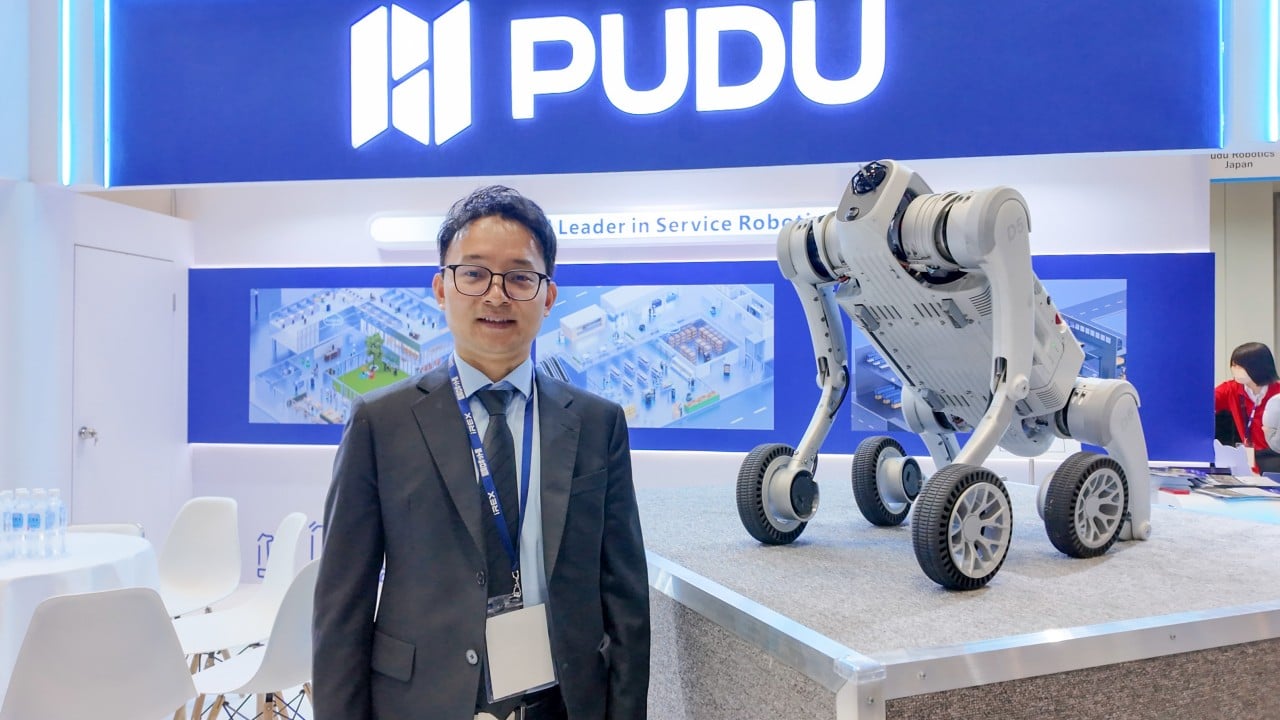
Humanoid robots represent the next frontier for Pudu Robotics, according to founder and CEO Felix Zhang Tao, as the global commercial robotics leader takes on Elon Musk’s Tesla in the growing sector and explores manufacturing in Europe, its largest overseas market.
“It’s definitely a competitor, but a long-term one,” Zhang told the South China Morning Post in a recent interview, adding that Tesla was a “very good” rival whose high profile had driven innovation and broadened market awareness in robotics.
The Shenzhen-based company – ranked first globally in shipments and revenues for commercial service robots in 2025 by consultancy Frost & Sullivan – built its business on specialised machines that sweep hotel floors, bus restaurant dishes and move heavy goods in factories.
Now, it is setting its sights on general-purpose humanoids and hybrid models that bridge the two form factors.
International business accounts for 80 per cent of Pudu’s sales, with Europe anchoring that growth. The company opened its European headquarters in Germany last month, following the launch of a US base in Dallas in April.
Zhang said Pudu was weighing local production in Europe, calling it a “natural step” in its global expansion rather than a hedge against trade barriers.
Even so, rising protectionism looms large over Chinese tech firms venturing into Western markets. The European Union launched an anti-dumping investigation into Chinese robotic lawnmowers in November, while the US moved in July to curb imports of new Chinese robots on national security and supply chain grounds.
To navigate that, Pudu is leaning into what Zhang termed a “glocal” strategy – combining global reach with local operations.
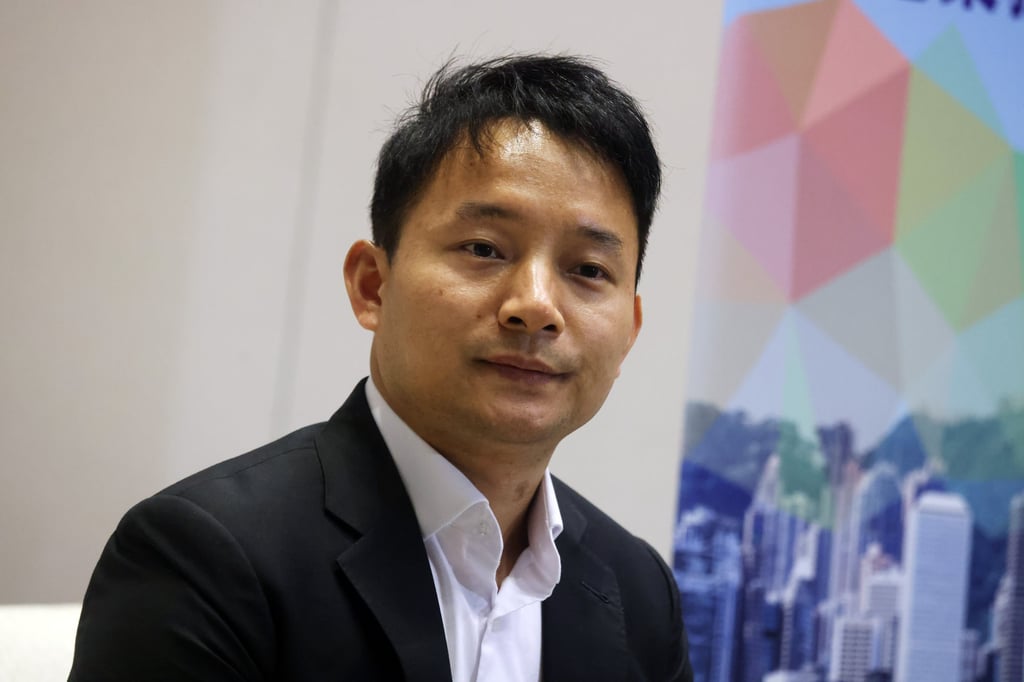
“If you want to be a truly global company, you should expect that geopolitics around the world is fairly complicated, and you should adapt to that complexity,” he said.
Beyond geopolitical turbulence, Pudu enters a humanoid sector that is rapidly becoming crowded. Besides Tesla, competitors include US firm Apptronik, domestic rivals Unitree Robotics and AgiBot, and crossover tech giants such as electric vehicle maker Xpeng and smartphone firm Xiaomi.
Zhang argued that Pudu’s hardware expertise, customer network and brand recognition set it apart from newcomers entering the fray from other sectors.
Wanting to make humanoid robots does not mean you actually have the ability to make them well
“Wanting to make humanoid robots does not mean you actually have the ability to make them well – the technology involved is extremely complex,” he said.
Backing that ambition was more than a decade of research and development, an intellectual property portfolio spanning close to 2,000 patents and nine major international industrial design awards, according to Zhang.
Critical components, such as the robotic arm joint modules Pudu began developing in 2022, proprietary navigation systems and real-world operational data from deployed fleets, gave the company an edge, he said.
“The two feed each other: because our technology is the best, we sell the most, and in turn, because we sell the most, our technology keeps getting better,” Zhang added.
Addressing growing anxieties that humanoids could displace workers, Zhang argued that machines would instead fill labour shortages driven by rapidly ageing populations across wealthy economies. The ultimate goal, he said, was to free humans from repetitive tasks so they could pursue their dreams or simply enjoy life.
In any case, widespread disruption remained a distant prospect, he said.
“It will definitely take at least five to 10 years for the technology to become fairly mature,” Zhang said. “And once it’s mature, widespread adoption will take even longer.”
KioskNews shows a cleaned-up reading view extracted from the publisher’s page — the original always lives on their site, not ours.