Knesset speaker vote at risk of delays as Eisenkot bloc fears Likud-backed filibuster

Yashar is seeking to establish procedural rules to prevent a potential Likud filibuster during Tuesday's Knesset speaker election, prompting Likud to accuse the party of heavy-handed tactics.
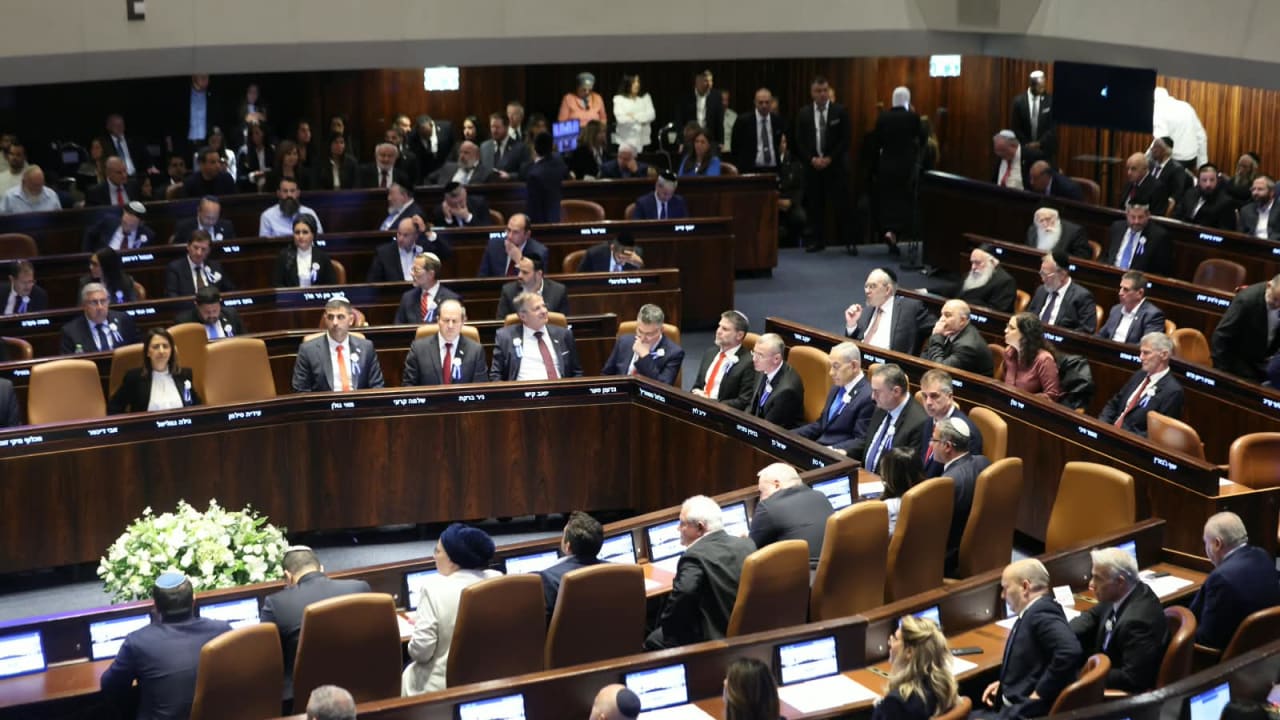
The Eisenkot bloc is concerned that Likud may attempt to delay Tuesday's vote to elect a new Knesset speaker through a filibuster and is exploring ways to prevent it, N12 News reported Tuesday.
The bloc fears that a government minister could deliver a speech lasting several hours and refuse to leave the podium, potentially pushing the vote late into the night.
There are also concerns that such a scenario could escalate into a confrontation, with a minister potentially having to be physically removed from the podium, triggering disorder in the Knesset plenum.
Under current Knesset rules, government ministers are generally permitted to speak without time limits during certain debates, although exceptions apply. However, the Eisenkot bloc argues that the upcoming proceedings differ from regular legislative debates because the election of the Knesset speaker is an internal parliamentary matter. As such, the bloc maintains that there is no justification for allowing a government representative to speak indefinitely.
The Knesset's legal advisers support this interpretation, maintaining that while a minister has the right to address the plenum during the debate, the speech must be limited to a reasonable length.
Eisenkot's Yashar party is seeking to prevent a potential filibuster by establishing procedural rules before the debate begins.
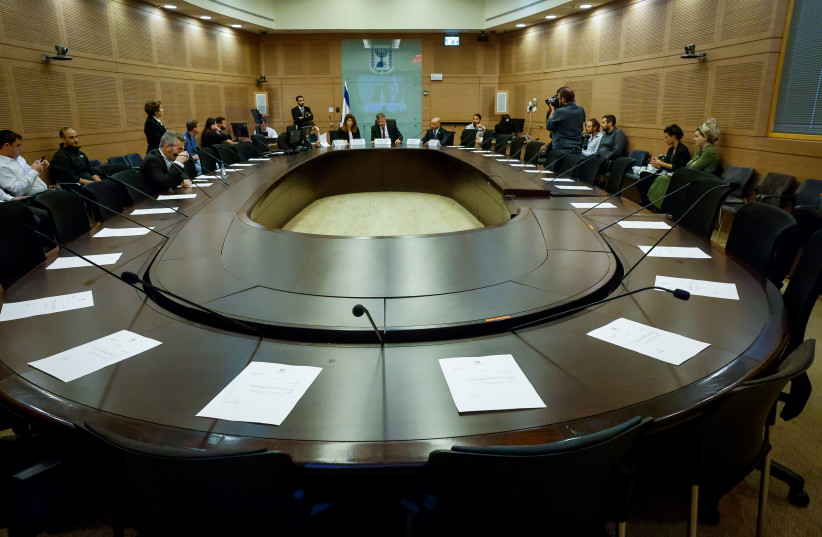
Knesset speaker debate to begin at 4 p.m., vote expected by 8 p.m.
To that end, the party is looking to use its newly established control of the Knesset's Arrangements Committee to set rules governing the proceedings and prevent efforts to delay the vote.
Likud officials have objected to the proposal, describing it as "a heavy-handed measure."
Efforts to reach an agreement on the debate's procedures continued Monday and were expected to resume Tuesday morning.
The debate on the election of the Knesset speaker is scheduled to begin Tuesday at 4 p.m., with the vote initially expected at about 8 p.m.
However, concerns over a potential filibuster have raised the possibility that the proceedings could continue late into the night.
KioskNews shows a cleaned-up reading view extracted from the publisher’s page — the original always lives on their site, not ours.