The 10 Best Documentaries in Cinema History, Ranked

Jeremy has more than 2900 published articles on Collider to his name, and has been writing for the site since February 2022. He's an omnivore when it comes to his movie-watching diet, so will gladly watch and write about almost anything, from old Godzilla films to gangster flicks to samurai movies to classic musicals to the French New Wave to the MCU... well, maybe not the Disney+ shows.
His favorite directors include Martin Scorsese, Sergio Leone, Akira Kurosawa, Quentin Tarantino, Werner Herzog, John Woo, Bob Fosse, Fritz Lang, Guillermo del Toro, and Yoji Yamada. He's also very proud of the fact that he's seen every single Nicolas Cage movie released before 2022, even though doing so often felt like a tremendous waste of time. He's plagued by the question of whether or not The Room is genuinely terrible or some kind of accidental masterpiece, and has been for more than 12 years (and a similar number of viewings).
When he's not writing lists - and the occasional feature article - for Collider, he also likes to upload film reviews to his Letterboxd profile (username: Jeremy Urquhart) and Instagram account.
He has achieved his 2025 goal of reading all 13,467 novels written by Stephen King, and plans to spend the next year or two getting through the author's 82,756 short stories and 105,433 novellas.
Sign in to your Collider account
Documentaries can sometimes involve a lack of filmmaking craft, but ignoring all movies that qualify as documentaries would be foolish. Yes, plenty of them bleed together, and there is a certain style that many have which gets tedious after a while (like that generic Netflix style, when it feels like they're all scored, written, and edited by the same couple of people), yet the ones that go a little further or take more risks are special.
Some of the best documentaries of all time are also up there among the best films of all time. Like, the following documentaries are especially great, being among the best in cinema history, and with just as much to offer as any number of great non-documentary movies, if you're looking at how they're structured, directed, edited, and scored. Taken together, they all help show how versatile the documentary genre can genuinely be; far more so than some give it credit for.
10 'Tokyo Olympiad' (1965)
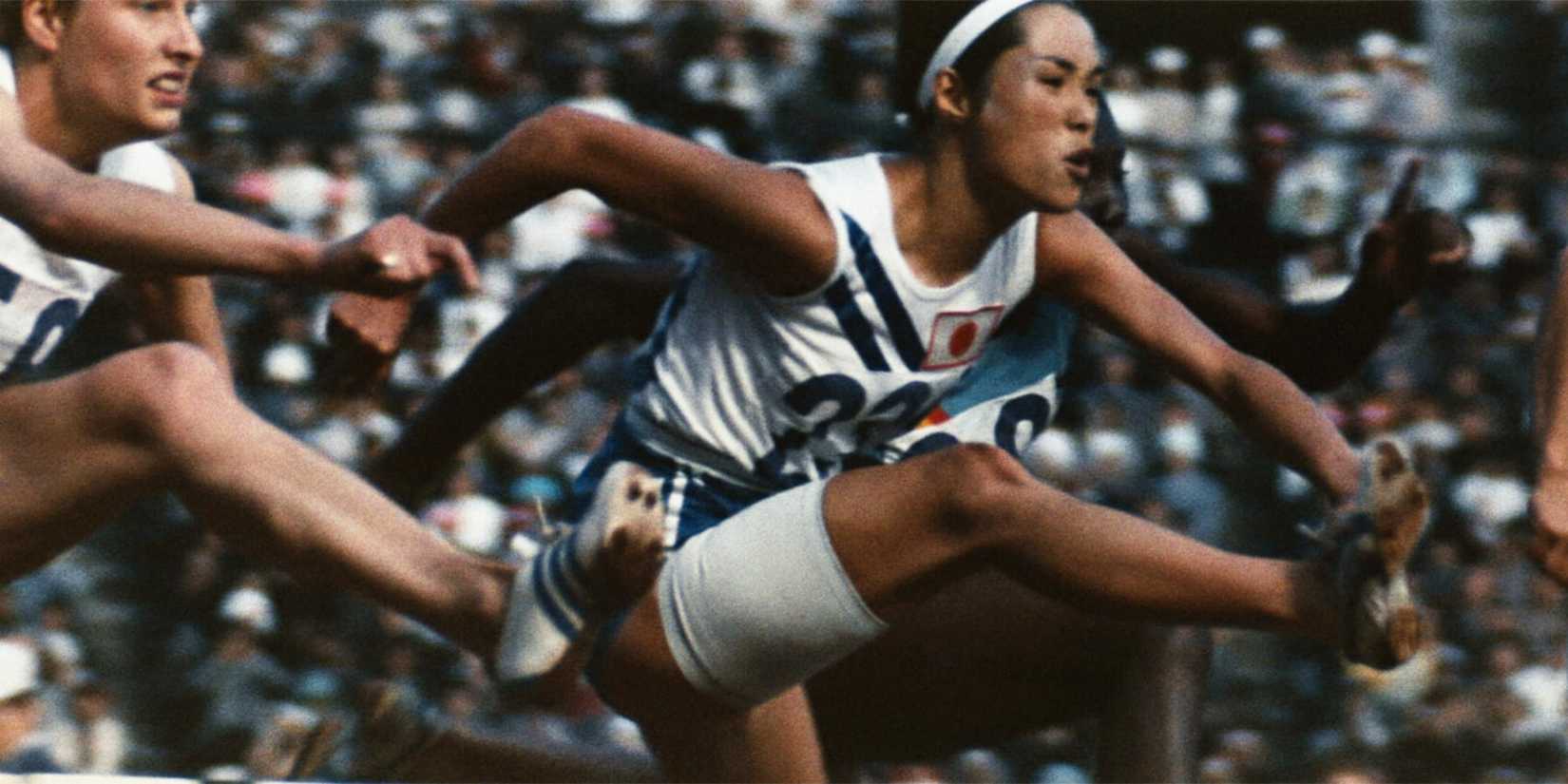
About as artistic and mesmerizing as sports footage can get, Tokyo Olympiad is a masterful and distinctive presentation of the 1964 Tokyo Summer Olympics. It’s long, with a runtime of nearly three hours, but that length allows it to cover a lot, including the opening and closing ceremonies, then all of the many, many sports in between, with each event selected captured in unbelievable detail.
And sure, watching any sport if you're into the sport is cool, but done in this way elevates things. Tokyo Olympiad, rest assured, is far more than just a clip show, as all the camera angles are far more interesting than what you'd see on a TV broadcast, and the editing plays a huge role in enhancing everything, with the use of slow-motion being particularly notable. Even for those who don't like watching sports, Tokyo Olympiad is surprisingly riveting, not to mention a great historical document of an Olympic ceremony held over six decades ago now.
9 'The Act of Killing' (2012)
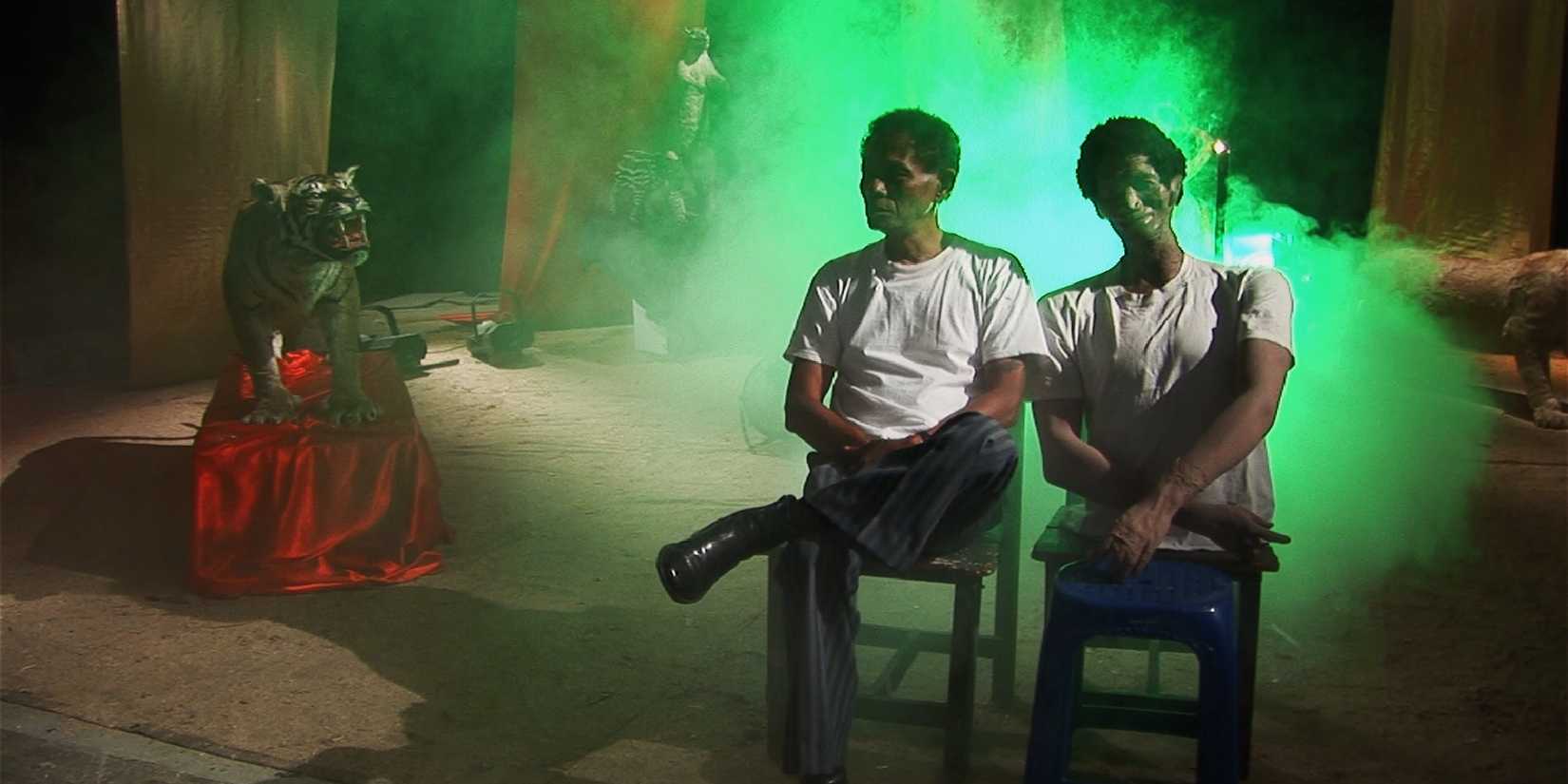
Though The Act of Killing isn't a horror movie by any means, it feels more brutal and terrifying than most full-on horror movies actually manage to be. Part of that comes down to it covering an incredibly difficult subject, and then further, it does that in a unique and stomach-churning way, focusing on the Indonesian mass killings of 1965-1966 which saw somewhere between 500,000 and 1 million people being killed (mostly people associated with communism, or at least accused of being that).
It’s about various people who participated in these killings more than 40 years on from the events, with the filmmakers getting them to recreate what they did through the guise of "making a film" in the hope they'll realize the brutality of their past actions and effectively expose themselves. It’s gutsy stuff on the part of the filmmakers behind The Act of Killing, and it’s overall an undoubtedly daunting look at the dark side of human nature and a horrific event in what’s still relatively recent history, in the overall scheme of things.
8 'You Can See Everything' (2026)
Perhaps surprisingly, You Can See Everything is one of the biggest movies of 2026. That’s being said at a point in time when 2026 isn't quite over, but it’s been a phenomenon, well beyond what most documentaries achieve in terms of popularity. There’s much to discuss here, and sure, Nathan Fielder has a decent following, so those factors might make at least some of the discourse and buzz a little less surprising.
The level of critical acclaim has been remarkable, and it’s important to note, too, that Fielder technically co-directed this alongside Lance Oppenheim, but Fielder appears on camera more often throughout the documentary, so he can’t help but feel a bit more center-stage. And all these words later, nothing has really been said about You Can See Everything, but it’s best to watch it knowing as little as possible. Also, yes, it’s a new release, but it’s being called now: this is one of the best and most creative documentaries of all time, accusations of hyperbole be damned.
7 'Shoah' (1985)
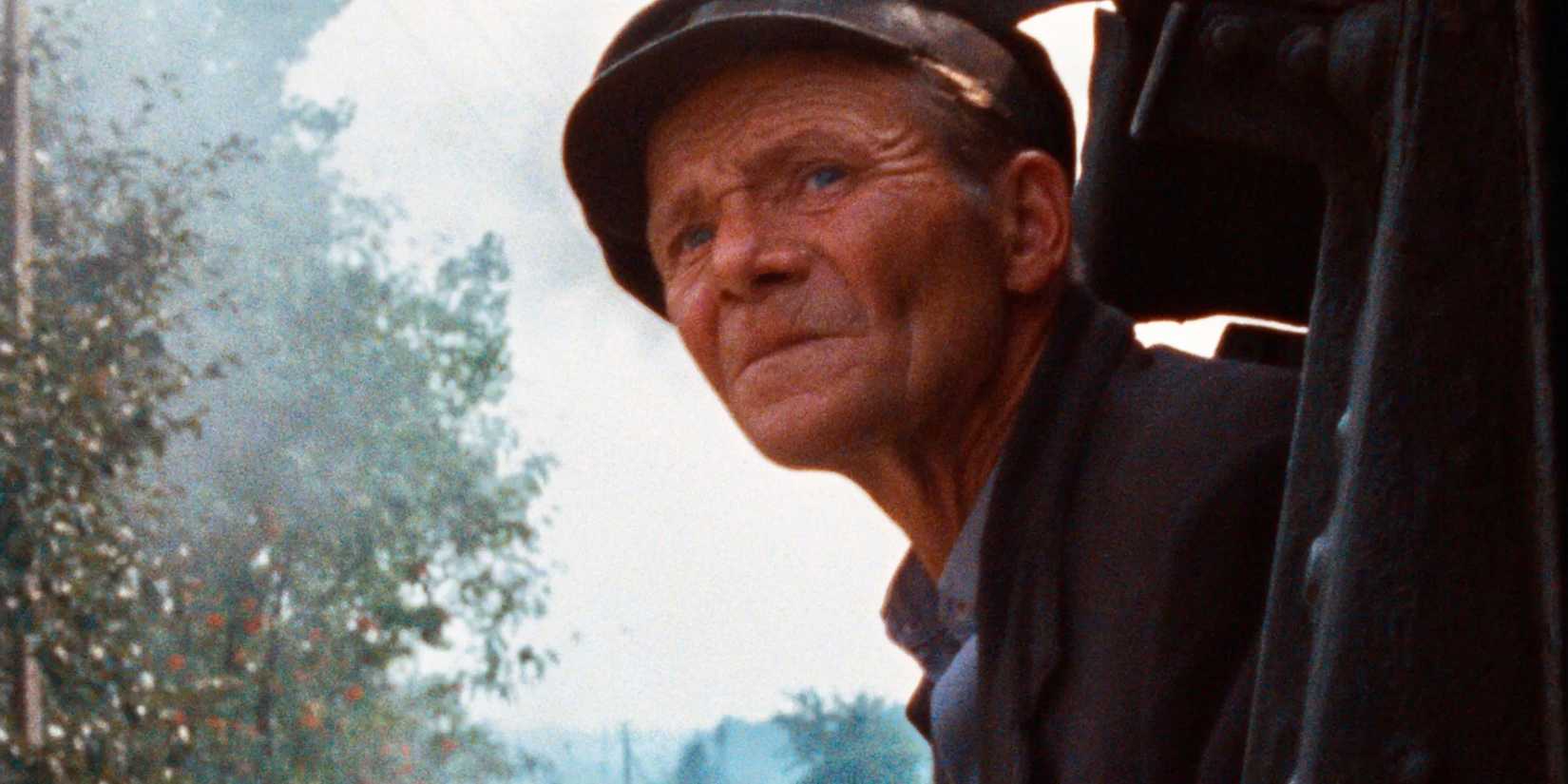
One of the decade's most important films, Shoah is a difficult and essential documentary. It’s about the same broad subject as Night and Fog, covering the Holocaust and the devastating consequences of it all during the Second World War, but takes an entirely different approach to doing so. While Night and Fog runs for about half an hour and is largely made up of horrific archive footage, Shoah's about 9.5 hours long, and is notable for featuring no archive footage of the concentration camps.
Instead, Shoah is a lengthy series of very comprehensive interviews with people who experienced and/or witnessed events at various concentration camps firsthand (some victims, some perpetrators, and some witnesses). The stories told are difficult to listen to, both for the way atrocities are described in stark detail, and for hearing various individuals admit to becoming numb to the horrible things that happened around them. Few films so effectively unpack the banality of evil and the terrible historical event that was the Holocaust, making Shoah easily one of the most important documentaries of its era, or any era, really.
6 'Dear Zachary: A Letter to a Son About His Father' (2008)
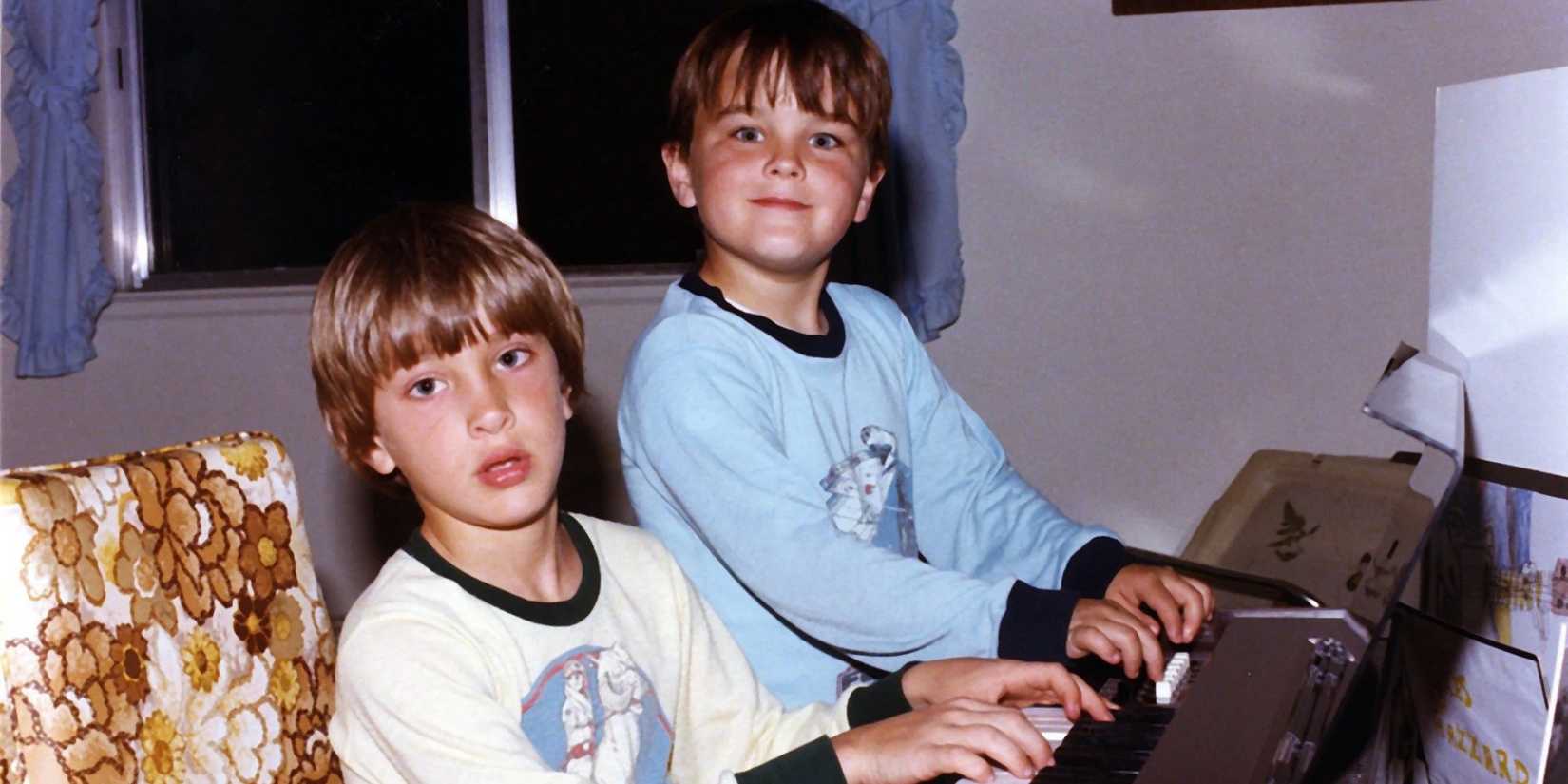
One of the saddest documentaries of all time, Dear Zachary: A Letter to a Son About His Father follows a particularly soul-shattering criminal case, as it’s about the aftermath of the murder of Andrew Bagby. The film was directed by Kurt Kuenne, who was Andrew’s childhood friend, and as the title suggests, it’s a movie that was made as an attempt to show Andrew’s son the father he never got to know.
It’s sad for those reasons early on, but then things become more troubling and difficult the more Dear Zachary: A Letter to a Son About His Father digs into the case and the person accused of Andrew’s murder: Shirley Jane Turner, Zachary’s other parent. It’s all exceedingly tough to watch, and only gets more emotionally heart-wrenching as it goes along, but surely stands as one of the most impactful and uncompromisingly personal films of the 21st century so far.
5 'Waltz with Bashir' (2008)
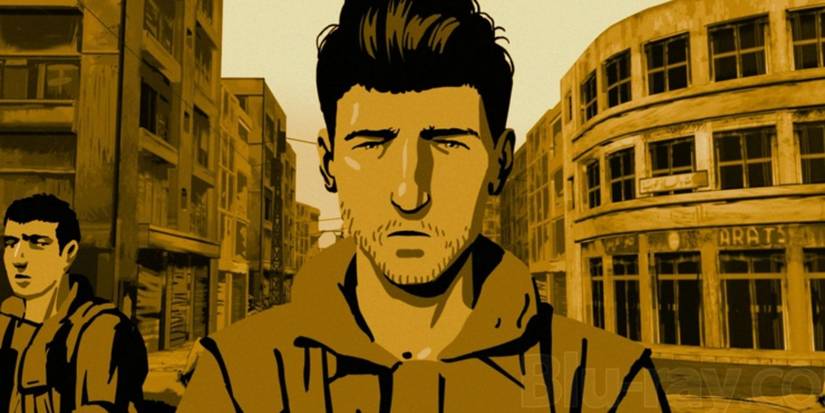
Waltz with Bashir, beyond being a documentary, is also a war film, an intensely psychological and nightmarish film about trauma, and an animated movie. The blend of genres here really does ensure it’s set apart from almost everything else out there, and then it gets very personal, too, since the director, Ari Folman, more or less makes himself the central subject of the film.
It follows his personal journey to uncover repressed memories he has of fighting in the 1982 Lebanon war, particularly regarding his participation in atrocities he feels his memory has suppressed. He talks to other people who claim to have similar experiences, and then some kind of truth eventually comes into focus. Anti-war films don't get much more stark or devastating than this, because you feel the physical loss on one side and then the emotional/psychological loss on the other side, and then on and on wars go, regardless.
4 'Amy' (2015)

Amy might look like another musician-centered documentary on the surface, but it’s really so much more than just a recap of Amy Winehouse’s tragically short life. It’s comprehensive in a biographical sense, for what that’s worth, which means you do get a fair bit by way of information that you'd expect in a more standard Winehouse-related documentary. But then it’s special and inevitably more memorable with the other things it tackles; the stuff that might not be so expected.
Essentially, it’s a film that serves as a condemnation of all who joked about or bullied Winehouse, particularly those in the media and the people who followed her everywhere. She was a troubled individual, and the documentary is upfront about that, but she’s also shown to be a victim who needed help she wasn’t really able to receive from those around her, even some who purportedly knew her well. It’s a cautionary tale, and something that could prevent comparable tragedies from ever happening again. That’s due to it being one of the most effective calls for empathy in cinema history, with the potential to make you question times in the past when you might've downplayed someone’s struggles, be they a seemingly untouchable public figure or an individual you knew personally.
3 'Hoop Dreams' (1994)
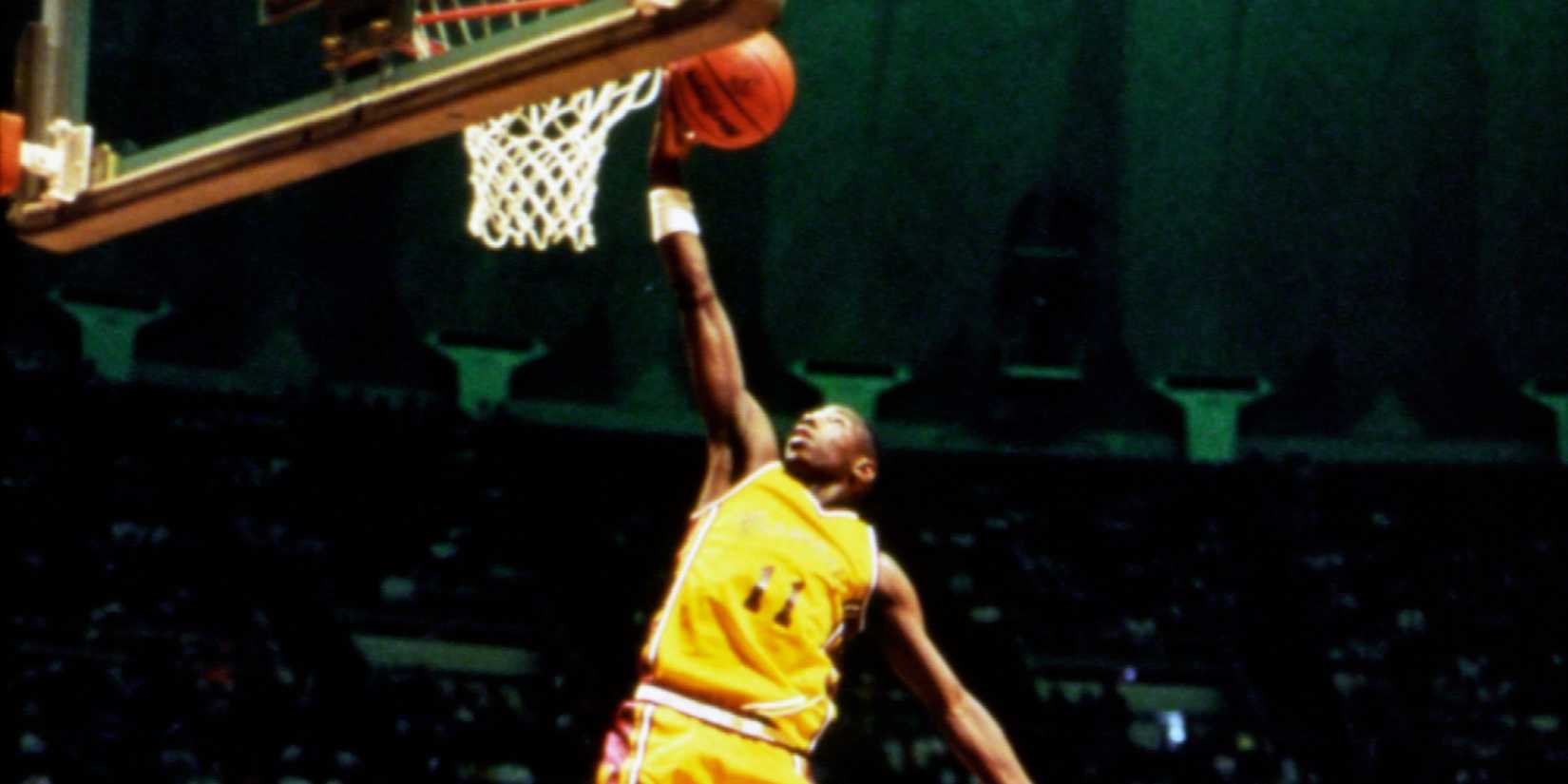
While it’s a sports documentary technically, Hoop Dreams is quite different from the previously mentioned Tokyo Olympiad (though hey, for what it’s worth, both are long, clocking in at almost three hours each). This one’s one of 1994's best films, which is saying a lot when you consider how good that year was for cinema, and it begins as a straightforward documentary about basketball, but ends up being so much more.
About half a decade is covered here, so that scope makes the runtime understandable, and also ensures you really don’t feel the length.
Hoop Dreams follows two teenagers who dream of one day playing for the NBA, and is ultimately about their various struggles and triumphs over a lengthy period of time. About half a decade is covered here, so that scope makes the runtime understandable, and also ensures you really don’t feel the length. It’s well-paced, expertly edited, and surprisingly compelling as far as its narrative is concerned, all the while being interesting for what it explores beyond just the sport of basketball.
2 'Grizzly Man' (2005)
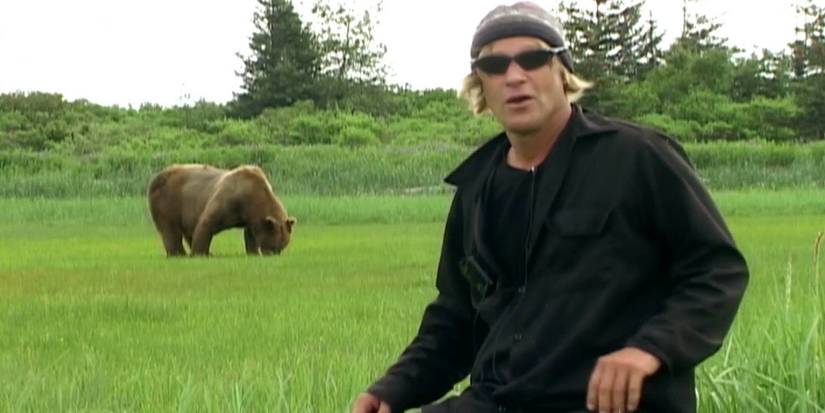
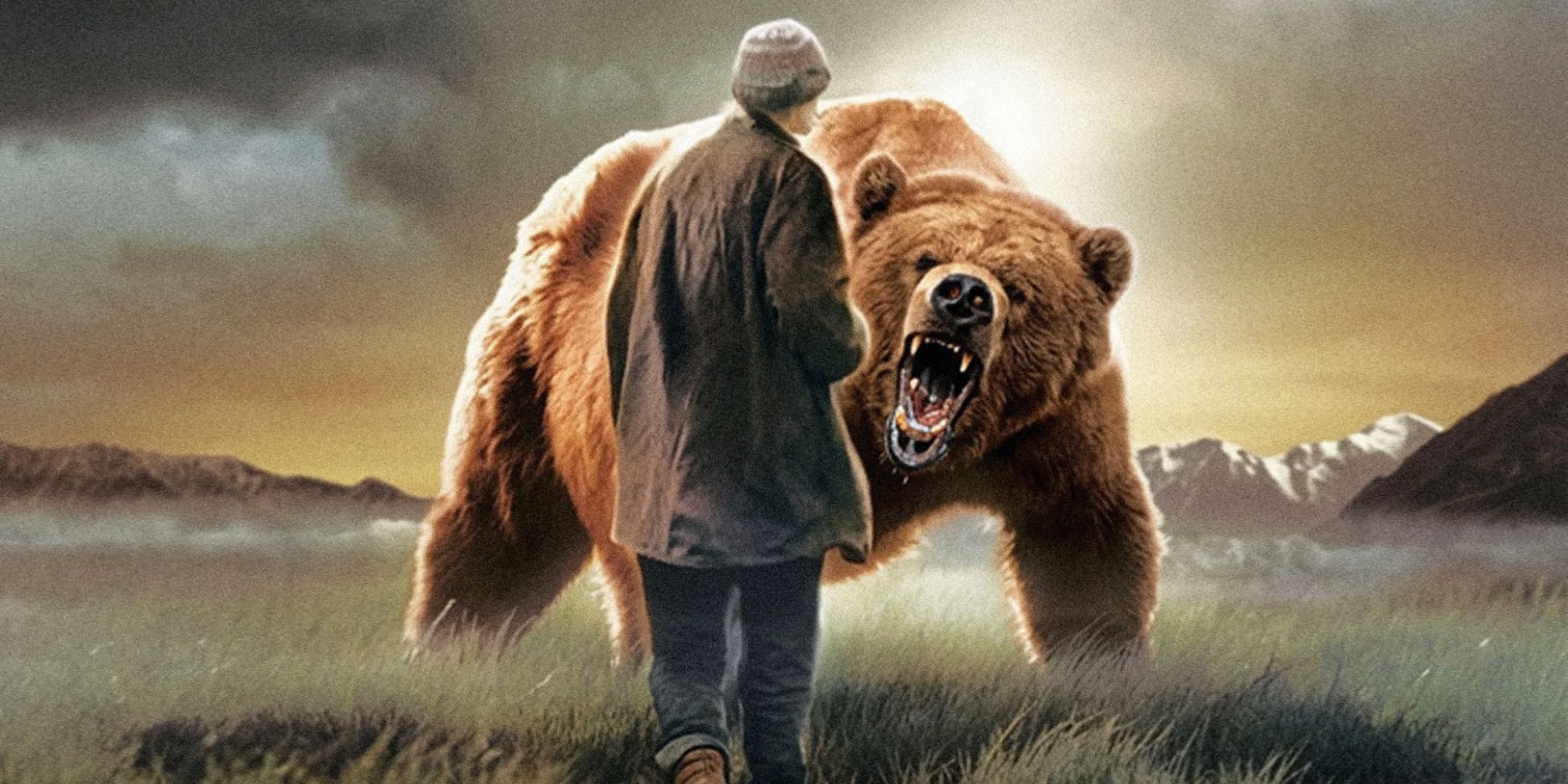
Werner Herzog's a filmmaker who's made his fair share of amazing documentaries, though few leave quite the same impression as Grizzly Man. Its central subject is Timothy Treadwell, who had an intense and eventually dangerous devotion towards grizzly bears, with his desire to live among them leading to both Treadwell and his girlfriend, Amie Huguenard, being killed in a bear attack.
Grizzly Man explores the strangeness and heaviness of the whole story, largely through Herzog’s typically distinctive but effective observations through narration and the large amount of footage that Treadwell himself filmed during his multiple trips into Alaska’s National Park. It’s a movie that somehow perfectly balances tragedy, terror, confusion, and even some humor, in the process becoming one of the very best films of the 2000s, documentary or otherwise.
1 'Koyaanisqatsi' (1982)
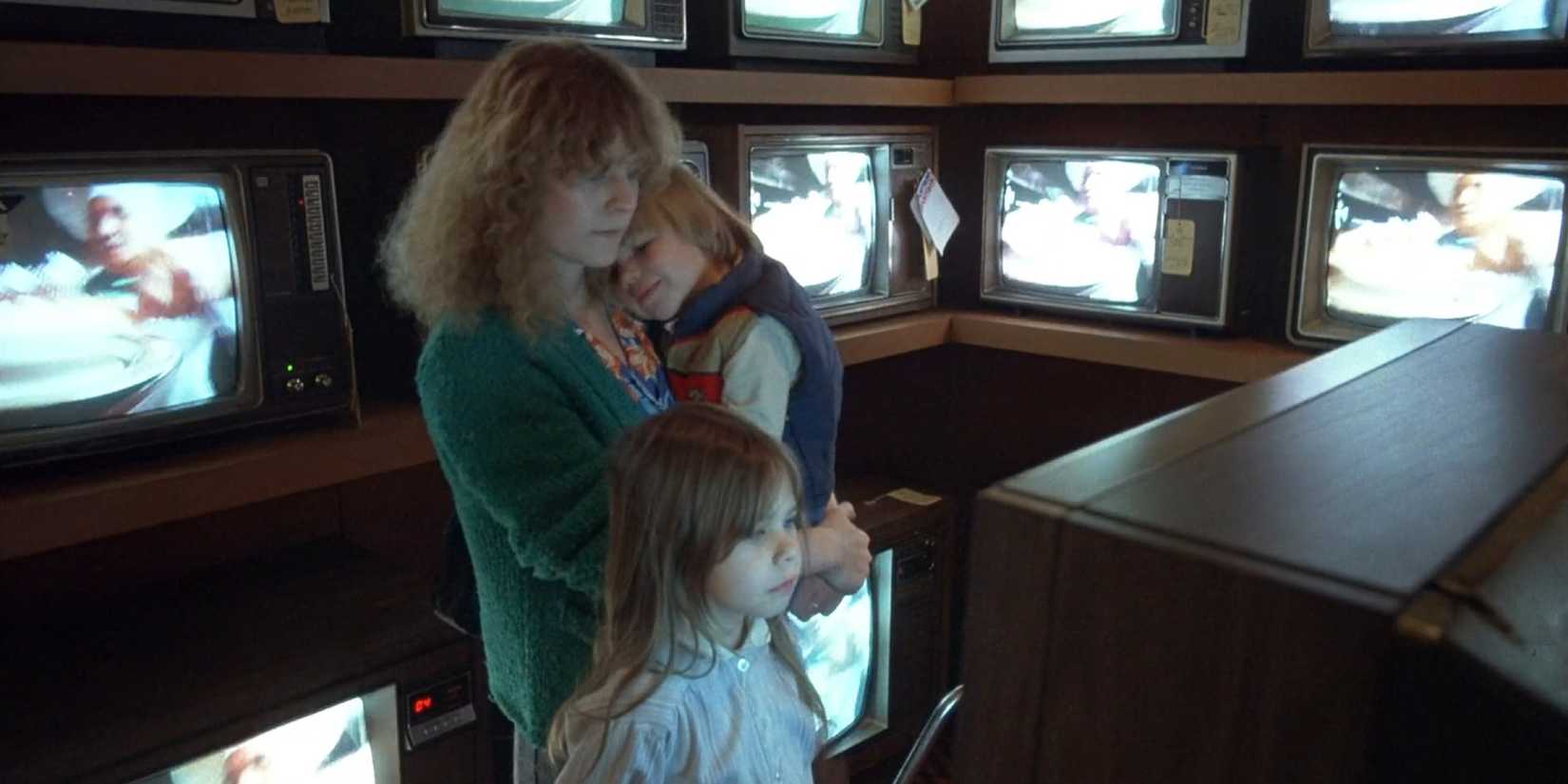
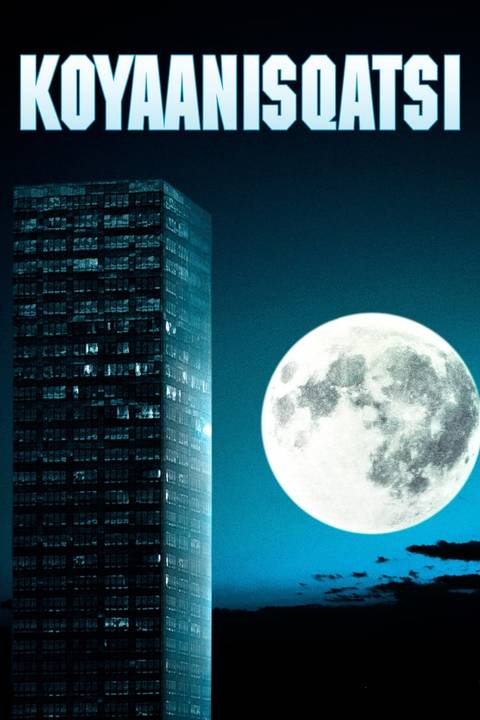
Call Koyaanisqatsi a documentary if you want, or call it an essay film, or label it entirely its own thing and leave it at that. It’s a beautiful looking and sounding movie that leaves a ton up to the viewer, which is nice, in a way. And it’s somehow very compelling, even if it’s technically “just” a series of images with music playing and underscoring everything. There’s a progression from natural landscapes to increasingly highly-populated and crowded cities, but that’s about it.
That’s your narrative, so to speak, and there’s little by way of actual/literal commentary outside some text that you see at the end of the film. With Koyaanisqatsi, there’s no voiceover narration, interviews, or anything that could be called dialogue, and it’s instead a look at life on Earth, contrasting the natural environment with things that humanity has constructed over what was once natural. Somehow, it all works, and doesn’t feel lazy, vague, or frustrating in any way, being a unique experience everyone should watch at least once in their life.
Koyaanisqatsi
- Release Date
- April 27, 1983
- Runtime
- 86 minutes
- Director
- Godfrey Reggio
- Writers
- Alton Walpole, Godfrey Reggio, Michael Hoenig
-

Ed Asner
Self - On TV (archive footage) (uncredited)
-
Pat Benatar
Self (archive footage) (uncredited)
-
Jerry Brown
Self - On TV (archive footage, uncredited)
-
Johnny Carson
KioskNews shows a cleaned-up reading view extracted from the publisher’s page — the original always lives on their site, not ours.