Philippine coastguard battles funding cuts amid bigger South China Sea role
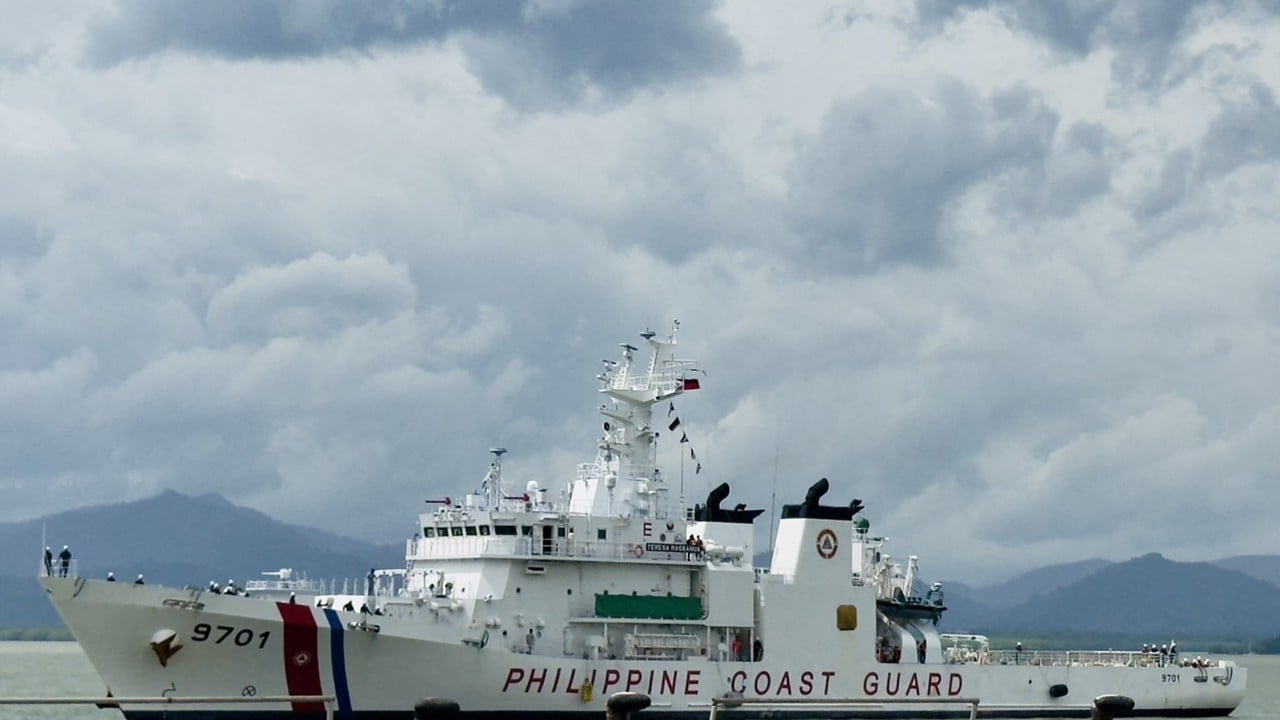
The Philippines is preparing to give its coastguard more responsibilities in the contested South China Sea even as the agency faces a more basic problem: whether it has enough ships, aircraft and personnel to carry them out.
The proposed overhaul comes as the coastguard is being stretched by increasingly demanding operations around Philippine-claimed waters, while funding constraints threaten to limit its ability to keep its existing assets at sea.
That tension is evident in the 2027 budget. The coastguard has sought funding for more vessels, unmanned systems, stations and personnel, while key allocations for patrols, intelligence and ship maintenance face cuts.
The Philippine Coast Guard (PCG) currently has a fleet of about 40 vessels, according to Coast Guard chief Admiral Ronnie Gil Gavan, who said in June that the agency planned to add more than 40 vessels over the following five years.
But the number of vessels on the books does not necessarily reflect the number available for operations. Gavan told Senate finance committee chairman Joseph Victor Ejercito on September 18 that “it’s just a matter of time that we will run out of ships, with the cuts in the repair and maintenance budget”.
Gavan said the coastguard was “operating at almost 80 per cent to 90 per cent operational tempo”, leaving a short turnaround time between operations and overhauls. “The repair and maintenance requirement of our ships is already [at] dangerous [levels], you know. We might not be able to sustain [operations].”
The percentage Gavan cited “refers to the amount of time spent at sea”, according to Australian geopolitical analyst Dr Hunter Marston. “In that case, the vessels and service members would be at sea 80 or 90 per cent of the time and only ashore for resupplies, repairs or rest 10 to 20 per cent of the time, which is pretty high.”
In comparison, “I think the US navy aims for about 60 per cent”, Marston told This Week in Asia.
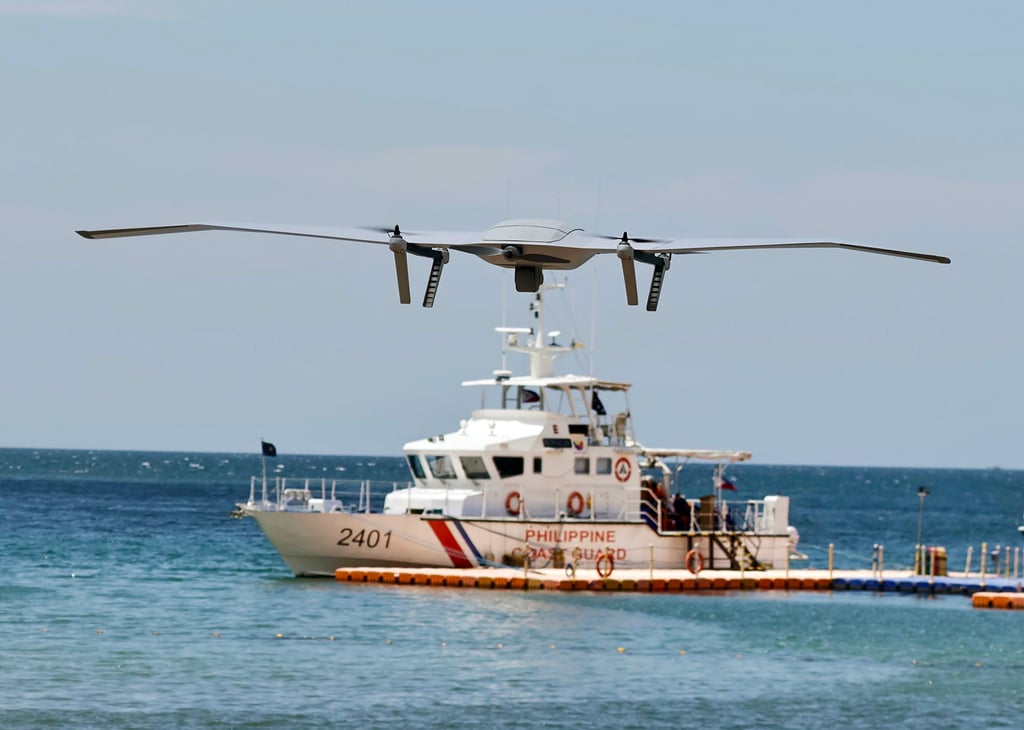
Gavan said the coastguard might also run out of planes since only one was operational while the second was under repair.
The cuts came on top of 3.3 billion pesos (US$52.7 million) in reductions for acquiring air and floating assets, which Gavan said were needed to address the shortage.
Its sea-based patrol funding under the Maritime Security Law Enforcement Programme was trimmed by 812 million pesos.
Political risk analyst Ronald Llamas told This Week in Asia the cuts were the result of “tight fiscal space” due to higher debt service and other priorities.
Independent budget specialist Zyza Suzara also said on television that “there is very little fiscal space” due to increased debt servicing, higher operational costs and the mandatory tax allotment to local governments.
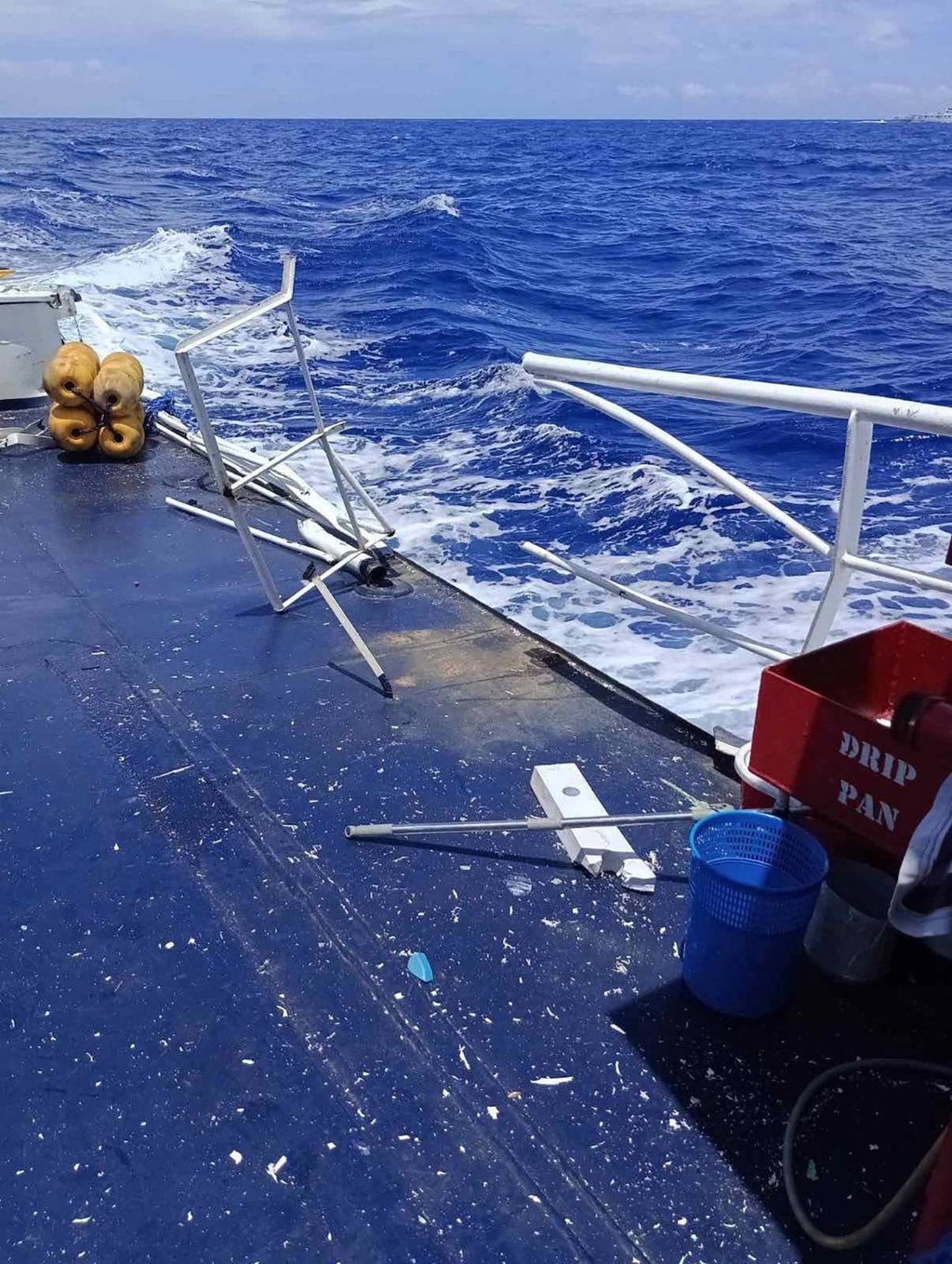
Gavan warned that if the cuts took place, “we will be constrained [in our] daily operational response” and “obviously, it will have a very significant impact on our activities”.
The request for “unmanned tactical capability” consisting of surface and undersea drones was also cut by 600 million pesos, Gavan disclosed, while the agency’s intelligence funds were reduced by 150 million pesos for next year.
The PCG had also requested funds for fresh recruitment, 360 million pesos for hospital insurance for its personnel’s families and eight new coastguard stations worth 25 million pesos each, including on Palawan island and the Kalayaan Island Group in the Spratlys.
The pressure on the service could be seen in its recent encounters with Chinese vessels in the South China Sea.
On Thursday, Chinese coastguard and naval vessels intervened during a Philippine resupply mission to the grounded Philippine warship at Second Thomas Shoal, according to Manila. Beijing said its personnel were conducting lawful enforcement in response to a Philippine provocation.
On Sunday, the PCG challenged a Chinese coastguard vessel near Occidental Mindoro, while the following day a PCG aircraft tracked a Chinese research vessel near Batanes. Manila said the ships were operating within the Philippines’ exclusive economic zone.
The two sides continue to dispute the legal status of the waters. China claims sovereignty over much of the South China Sea, including Second Thomas Shoal, and rejects a 2016 international arbitral ruling that found no legal basis for its claim to historic rights over resources within the sea areas covered by its nine-dash line. Beijing considers the ruling illegal and non-binding, while Manila relies on it in asserting its maritime rights.
Expanding mandate
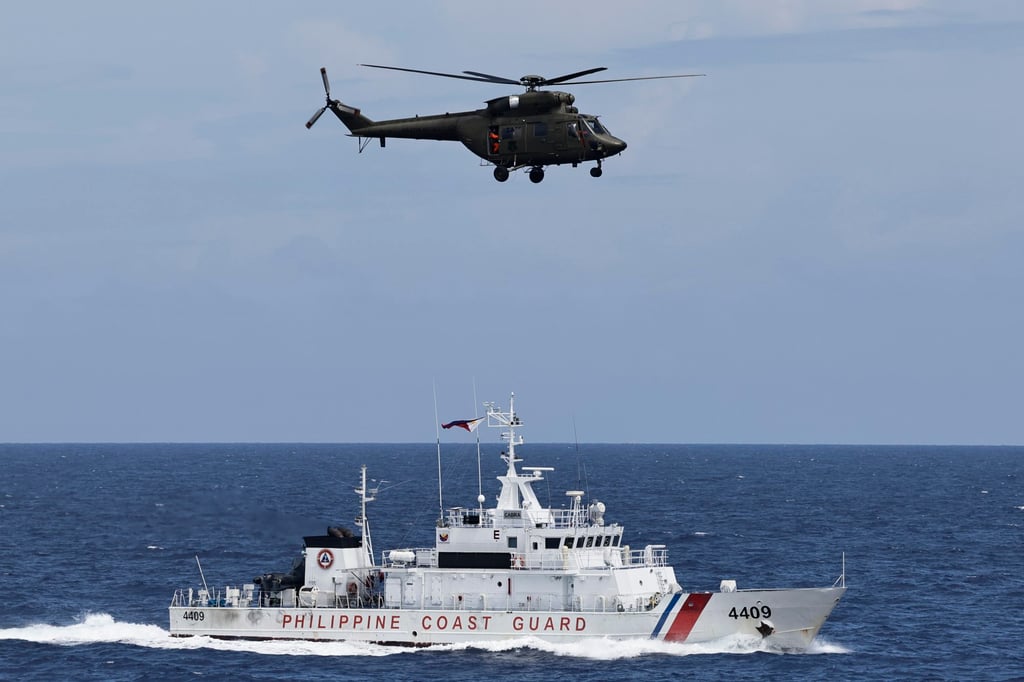
The encounters illustrate why the coastguard’s capacity has become a strategic question for Manila. The agency is a civilian service, but it has increasingly been at the centre of the Philippines’ efforts to assert its maritime rights and maintain a presence in contested waters.
The proposed revised Coast Guard Law, which has already cleared the Senate and is moving through Congress, would formalise some of those responsibilities.
The measure seeks to address perceived gaps in the existing Republic Act 9993 by giving the agency a clearer mandate to enforce and maintain maritime security, as well as “prevent or suppress terrorism at sea”.
It would also empower the coastguard to directly “recommend” to the president regulations that would direct when and to what extent the Philippine military should extend support and assistance.
The proposed law would require a “minimum manning level” to ensure it could adequately patrol more than 36,000km of the country’s coastline.
It therefore envisages a coastguard with a broader set of responsibilities and a more clearly defined role in maritime security.
But the budget debate suggests that the more immediate question is whether the agency can maintain the capability it already has.
House deputy minority floor leader Antonio Tinio told This Week in Asia on Monday that he was unsure if any of the cuts would be restored.
As for the Senate, Ejercito promised on Sunday in an interview with radio station DZBB that he would restore some of the cuts by “realigning” funds from agencies with historically low utilisation rates of their annual budgets.
“Be reassured that we have been very consistent in supporting the coastguard,” he said. “We will find ways to ensure that we have the capability to respond. We may not be able to trade shots with China, but at least we should have a minimum credible defence posture.”
KioskNews shows a cleaned-up reading view extracted from the publisher’s page — the original always lives on their site, not ours.