Why MLB could see an early free agency frenzy before the potential Dec. 1 lockout
In the month leading up to the last lockout, MLB teams spent more than $1.7 billion on free agents

• 4 min read
Most of the season, my assumption was that November would be a slow month for the hot stove. There is a new collective bargaining agreement coming, likely after a lockout, and I figured teams would not want to commit significantly to future payroll without first seeing what the new CBA would bring. Salary cap, stiffer competitive balance tax penalties, whatever.
A perfectly reasonable stance, that is, and I say that as someone who is happy to call out teams and owners who do not appear to be putting forth the best effort to contend, if you catch my drift. My assumption was November would be slow. I am here now to tell you why my assumption not just may be wrong, but likely is wrong, and the hot stove will burn bright in November.
The CBA expires at 11:59 p.m. ET on Dec. 1, or four weeks from Tuesday. Here now are four reasons why MLB clubs could be active between now and then.
MLB Lockout 101: Everything to know about baseball's likely upcoming work stoppage
Dayn Perry

1. November 2021 was busy
MLB teams committed more than $1.7 billion to free agents in November 2021, just before the last CBA expired and the owners locked out the players. That includes the Rangers, who spent more than $560 million on Jon Gray, Corey Seager, and Marcus Semien. Those three later helped the Rangers win the franchise's first World Series title in 2023. Five players signed nine-figure contracts in the weeks leading up to the last lockout.
It is not only the teams we must consider here. More than 140 players became free agents the day after the World Series, and you can be sure many (most?) of them would prefer to sign before the lockout. They want to get their contract locked in and know where they'll play next season so they can find a place to live, get the kids enrolled in school, etc. Peace of mind during the lockout will go a long way.
MLB's owners did not propose a salary cap during the last round of labor negotiations, but there was similar uncertainty about what the upcoming CBA would bring, and teams spent lots of money anyway. Past behavior can inform us about what to expect in the future and what we saw leading into the last lockout suggests it will be a busy four weeks.
2. NPB players face a hard deadline
During the last lockout, MLB amended its posting agreement with Japan's Nippon Professional Baseball league and paused the 45-day negotiating window during the lockout. Seiya Suzuki was posted on Nov. 22, 2021, his 45 days were paused when the lockout began on Dec. 1, then they resumed when the lockout ended on March 10, 2022. Suzuki signed with the Cubs on March 18.
NPB players will not have the same luxury this year. MLB has declined to amend its posting agreement this offseason, according to The Athletic, so NPB players potentially face a hard Dec. 1 signing deadline even though they were officially posted on Nov. 1. They won't get the full 45 days because players cannot sign MLB contracts during the lockout. Their posting window is really 30 days.
This applies to three of our top 50 free agents: Hanshin Tigers third baseman Teruaki Sato (No. 4), Seibu Lions righty Kaima Taira (No. 19), and Hokkaido Nippon Ham Fighters righty Hiromi Itoh (No. 26). All three were posted on Nov. 1 and their 45-day posting window should run through Dec. 16. Instead, they must sign by Dec. 1 with the lockout looming, or return to Japan for 2027.
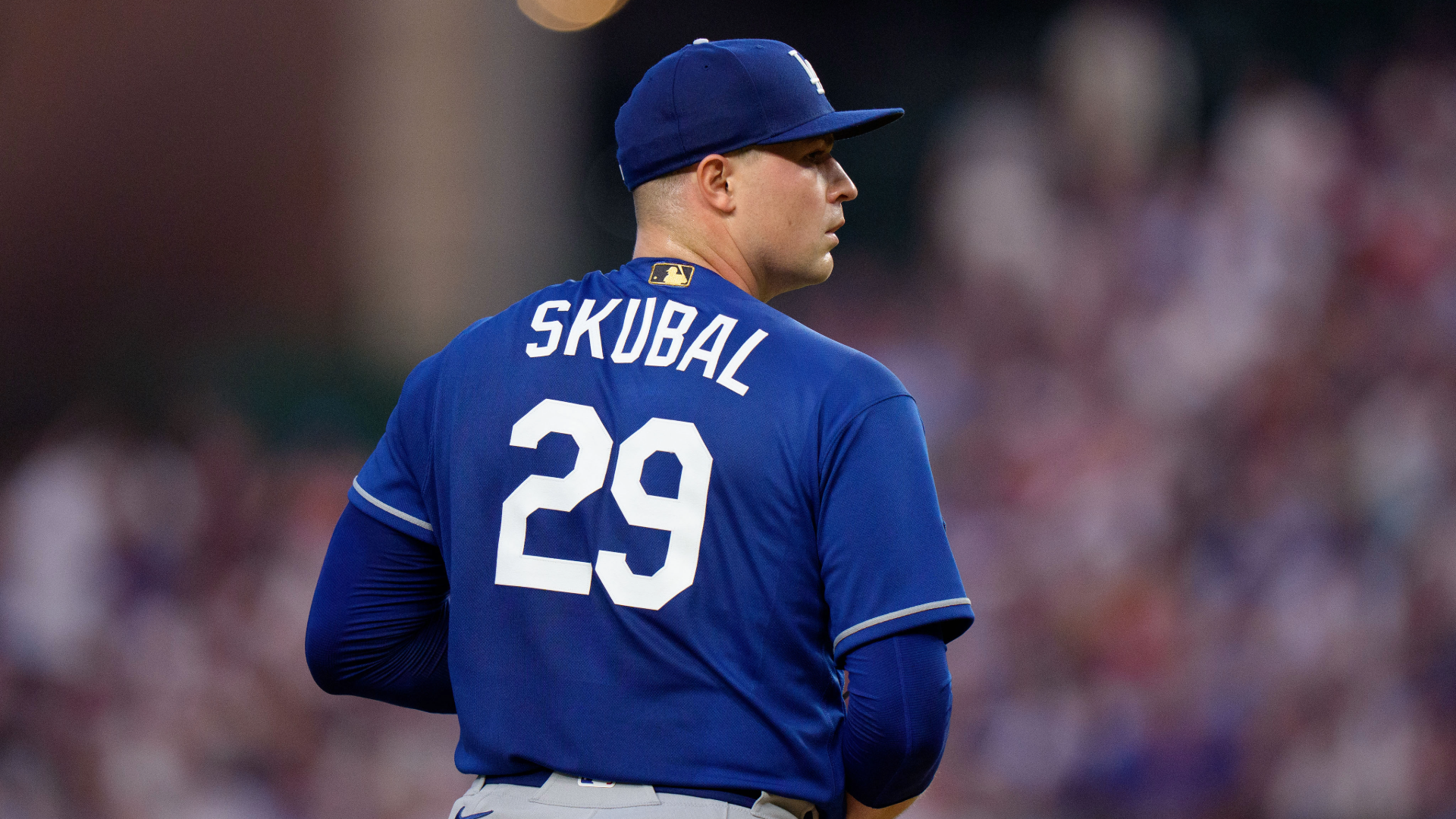
3. Skubal is expected to sign before the lockout
Tarik Skubal, far and away the best free agent on the market, is expected to sign before the lockout, reports ESPN. There is always a bit of a domino effect with top free agents. Several big spenders (Blue Jays, Cubs, Dodgers, Mets, etc.) are expected to pursue Skubal, and the teams that lose out could quickly pivot to their secondary targets to avoid being left empty-handed.
We saw a good example of this domino effect last offseason. The Dodgers beat out the Mets for Kyle Tucker and agreed to terms with the outfielder on Jan. 16. The Mets quickly pivoted and agreed to a contract with Bo Bichette just a few hours later. They had money to spend and a void in the lineup, and after losing out on their top target, New York quickly pivoted to Plan B.
The sooner Skubal signs, the sooner second-tier free agent starters like Freddy Peralta and Trevor Rogers will come off the board. Teams need pitching, always and forever, and once the best available starter comes off the board, there figures to be a rush to get whoever's left. Skubal is expected to sign before the lockout. Other starters won't be far behind then.
4. New CBA rules will likely be phased in
Even if the MLB Players Association relents and agrees to a salary cap, it is unlikely the cap will be fully implemented in 2027. MLB has expressed a willingness to phase in a salary cap over some number of years and, honestly, it's a must. It will be impossible for big payroll clubs like the Dodgers, Mets, and Yankees to trim payroll and get cap-compliant immediately after the lockout.
November may be the last chance for all teams, not just those with deep pockets, to spend freely and have contracts grandfathered into whatever economic system the new CBA brings. Spend now, deal with the consequences later. That kind of thing. It may sound foolish -- the bill will come due eventually, right? -- but rarely is the hot stove league and free agency rational.
"You prepare under the current system, and then you adjust along the way," Blue Jays president Mark Shapiro told Sportsnet last month. "Any new system adopted, there will be a timeframe for adjustment into that system. I don't think any new system adopted would cause for immediate action."
KioskNews shows a cleaned-up reading view extracted from the publisher’s page — the original always lives on their site, not ours.