As bear attacks rise in Japan, fearful residents change daily routines
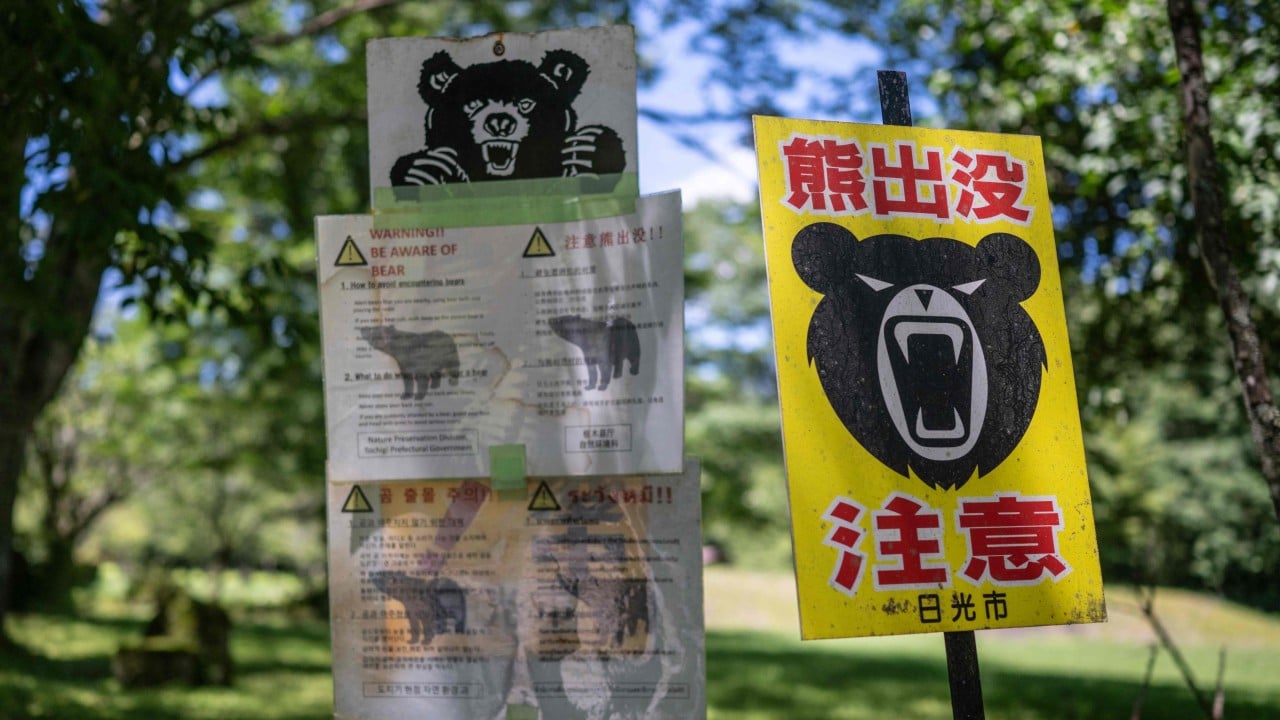
Jeff Kingston used to take long walks with his dogs across the hills of Gunma in central Japan. But not this year.
He has good reason. Kingston said he has encountered bears in those mountains more than 100 times over the years and been charged by aggressive bears around a dozen times. In 2014, a black bear knocked him down and attacked him across the skull with its claws, leaving a gash that required nine stitches.
“This year, I have actively refrained from going into the hills precisely because I want to avoid encounters,” said Kingston, an American academic who lives in Tokyo but has a lodge in Gunma. “And when I do go, I always carry bear spray and a baseball bat just in case.”
His caution reflects a wider concern in Japan, where bear encounters have surged in recent years, including in residential areas and farmland, prompting authorities to warn people to take extra care as the animals prepare for winter.
The rise in encounters has exposed a more fundamental problem – Japan does not have a clear picture of how many bears it has, where they are moving or how local populations are changing.
A record 13 people died in bear attacks in the 2025 financial year, with 238 reported injuries, while the public logged more than 50,000 bear sightings over the period. In the present financial year so far, there have been six fatalities and 49 people injured.
Around 60 per cent of attacks have happened in mountain forests, while up to 30 per cent occurred in residential areas or farmland.
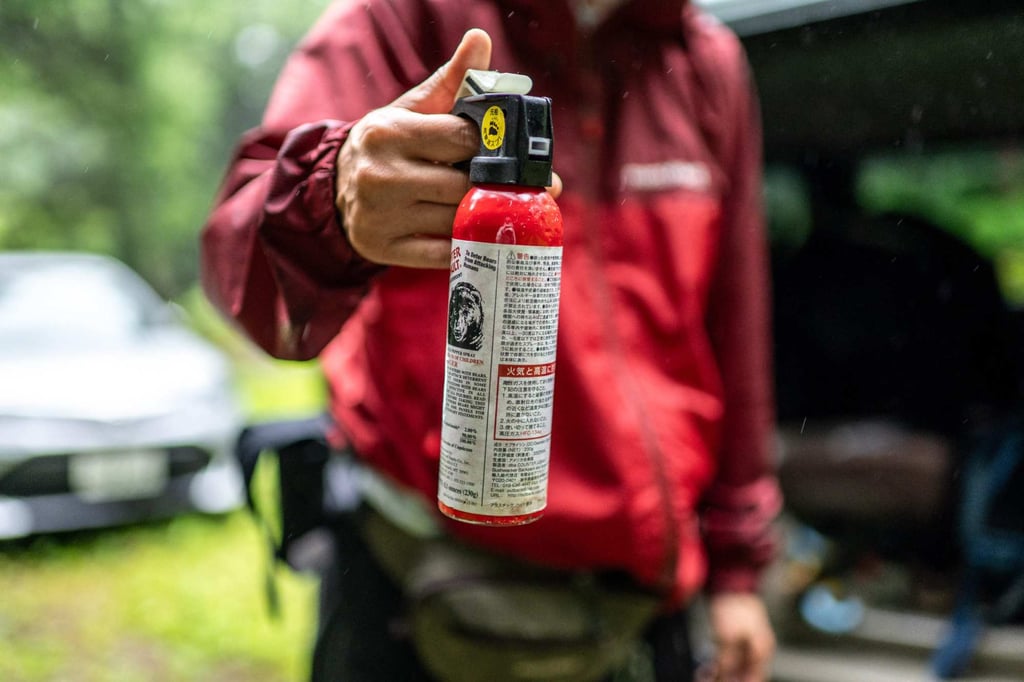
Prefectural authorities across Japan are warning the public to be cautious over the coming months as bears fatten up before going into hibernation, with competition for food increasing the likelihood of encounters.
In some parts of Japan, the risk is more acute because the yields of some staple crops have been poor this year. Gunma prefecture cautioned residents and visitors on Monday that acorn and chestnut crops had fallen recently, and as such, hungry bears were likely to seek food in country villages and even the suburbs of large towns.
The prefecture has created an online map plotting bear sightings and offered tips on what to do in the event of an encounter. People are instructed to back away slowly while facing a bear, avoid making loud noises that might provoke an attack and, if possible, keep an obstacle between themselves and the animal.
Kingston said the changing risks had led many people to alter their routines to avoid potential bear encounters.
“I was talking a few days ago with a lady in her 80s in the village, and she told me that she was cutting down all her persimmon trees because bears like the fruit at this time of year, while a hunter had to be called into another village nearby because a bear was in the graveyard,” he said.
Kingston’s own brush with a bear could have ended far more seriously, as he was only saved when his dogs came to his rescue and drove the bear away. Just last week, Kingston said he suffered a nightmare about being attacked by a bear.

In an effort to get a better grasp of the number of bears in Japan, as well as how far they can roam, the density of local populations and other data that might help reduce encounters with humans, the Environment Ministry in June began a comprehensive survey to replace piecemeal efforts that had previously taken place at the prefectural level.
More than 800 automatic trail cameras have been placed in forests, managed woodland and mountainous areas in the northern Niigata prefecture and the six prefectures that make up the Tohoku region. The ministry intends to expand the programme to other prefectures with bear populations in the next four years.
“The ministry is using two methods to monitor the bear population,” said Hifumi Tsuruga, a bear expert at the Hokkaido Research Organisation. “The camera traps allow researchers to identify each bear by the unique markings they have on their chests and they can then be tracked.”
A second method is placing hair traps to catch the hair of passing bears, which is then used to obtain their DNA, and combining this with statistical modelling to estimate the number of bears.
“Before, there was no common method for gathering this data and monitoring the bears, as it was all done at the prefecture level,” Tsuruga said. A fragmented system could lead to a miscounting of bears when they cross prefectural boundaries, giving an inaccurate picture of the total population, according to Tsuruga. Prefectures also used different methods to track numbers, with some preferring camera traps to statistical models, leading to further inconsistencies, he added.
Hokkaido is not presently taking part in the scheme. But Tsuruga said there had been a sharp increase in bear sightings across Japan’s most northerly prefecture.
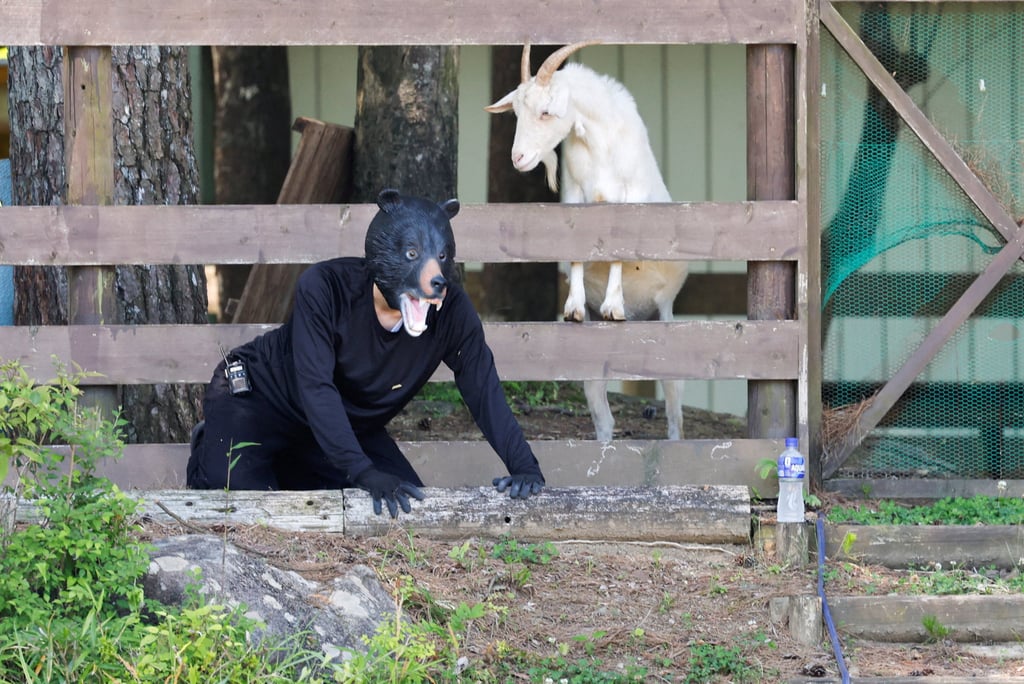
“Hokkaido killed more than 2,000 bears last year, so the population certainly fell, but I do not believe even that many being culled will lead to a dramatic decrease in the total number of bears,” he said.
“This year, the situation has been calmer. I do not expect that they will cull as many as this year.”
Tsuruga said that the fruit that bears enjoyed – such as persimmon – was in short supply going into winter and this might encourage more of them to venture closer to human habitation.
On Friday, a man driving in a rural district of Hokkaido encountered a bear and its cub in the road, with the mother caught on a camera repeatedly attacking the vehicle.
Last month, a black bear was spotted on a camera on Mount Takao, a popular day-tripping and hiking spot in western Tokyo. City officials declared a level one alert and told visitors to exercise caution in the area.
KioskNews shows a cleaned-up reading view extracted from the publisher’s page — the original always lives on their site, not ours.