To understand where Hong Kong is going, start with Tung Chee-hwa
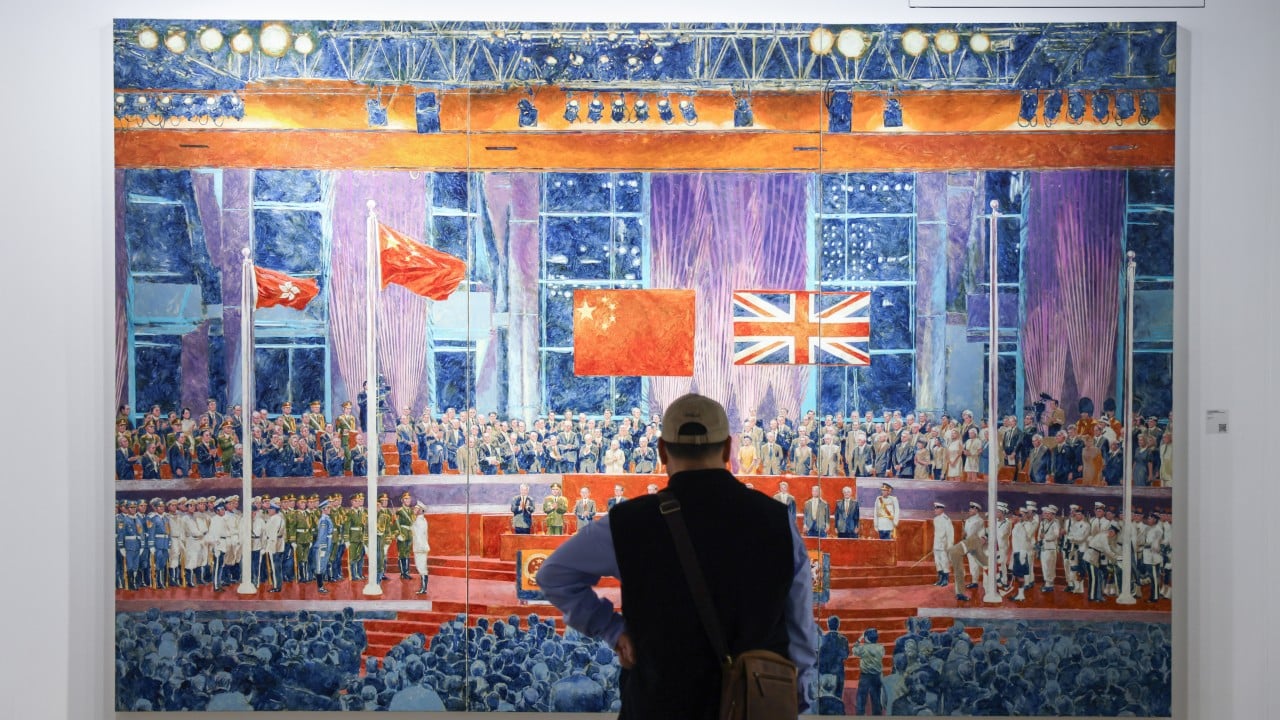
On September 8, Tung Chee-hwa, Hong Kong’s first chief executive, died. It prompted reflection, not only on a political figure who once stood at the centre of the city’s public life, but also on nearly three decades of change since its return to China.
History is rarely shaped by a single person or isolated decisions. Individual choices, institutional adjustments, social expectations and external circumstances all interact to form the historical process. This is particularly true in Tung’s case. To understand the significance of Hong Kong’s first chief executive, one must return to the historical context.
British colonial rule left Hong Kong with a highly developed administrative system built around efficiency, procedure and order. This administrative tradition became an important part of Hong Kong’s identity. However, colonial governance also operated under a distinct political structure, where questions of legitimacy, public participation and political accountability were addressed differently from those in modern constitutional systems.
After 1997, Hong Kong entered a new stage. The transition was not merely a change of political authority or government institutions. It also involved a transformation in how society understood public power. Citizens increasingly cared not only about whether policies could achieve results, but also why decisions were made, how different views were considered, and who should bear responsibility for consequences.
KioskNews shows a cleaned-up reading view extracted from the publisher’s page — the original always lives on their site, not ours.