British farms hit by record bluetongue outbreak after heatwave summer
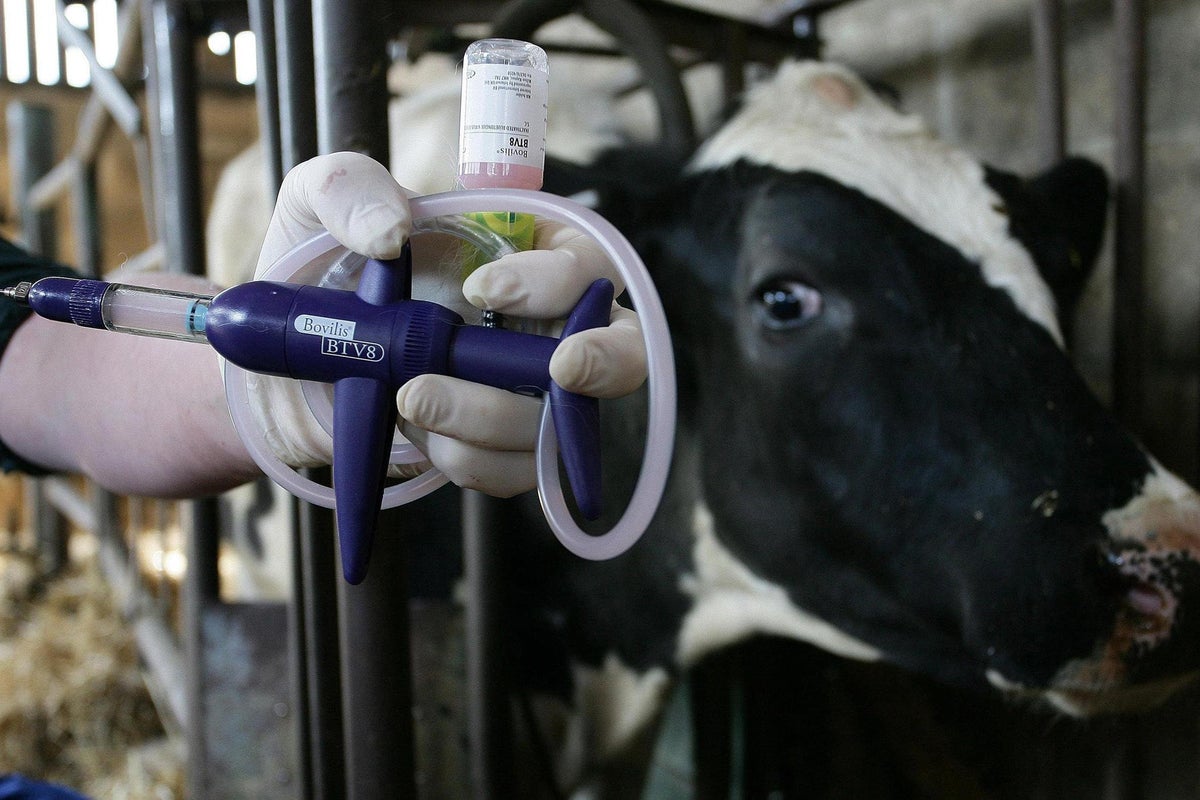
Farmers have been warned to remain vigilant as this year’s bluetongue season breaks records – and surpasses the previous three years combined – after a summer of intense heatwaves.
There have been 2,485 cases of bluetongue in the UK just three months into the 2026-27 season. The majority of cases were recorded in England (2,031), with 414 taking place in Wales and 40 in Scotland, according to the Deparment for Environment, Food & Rural Affairs (Defra).
This significantly exceeds the 348 cases in the 2025 to 2026 bluetongue season, as well as the 163 cases between 2024 and 2025.
Bluetongue is described by the World Organisation for Animal Health (WOAH) as an infectious, non-contagious, viral disease that comes from midges and affects cattle, sheep, goats, and deer, among other animals. Animals can also become infected through germinal products (semen, ova or embryos).
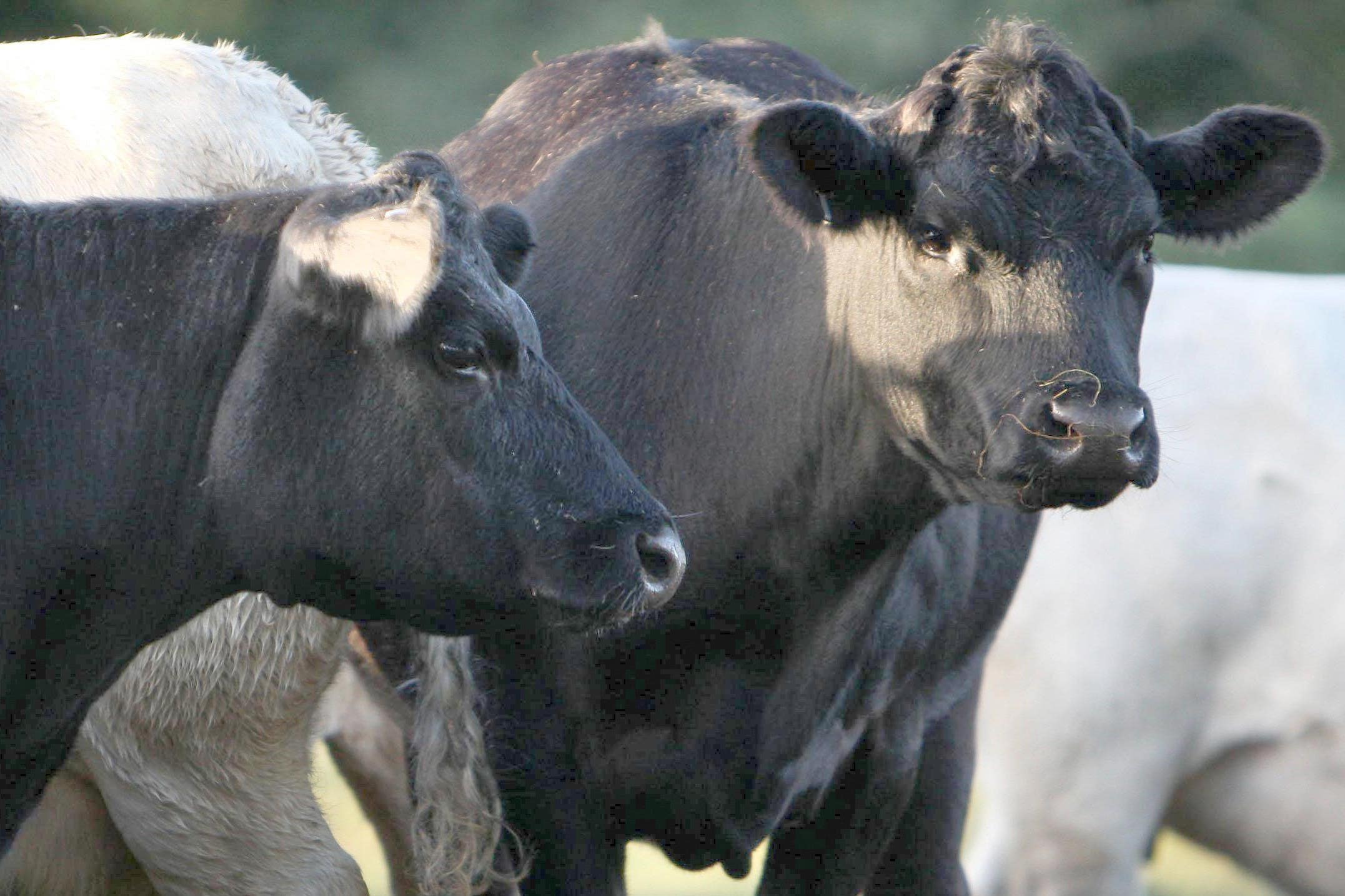
It can be fatal in a proportion of infected sheep, deer and wild ruminants, but there is no public health risk associated with it as the virus is not transmitted through contact with animals or wool, or through consumption of milk.
Bluetongue was first recorded in the UK in 2007 following the incursion and sustained spread of a BTV-8 strain in Northern Europe, according to the Pirbright Institute.
The current strain of bluetongue affecting livestock, serotype 3 (BTV-3), was first found in England in 2023, when the virus was recorded for the first time in England in more than 15 years. Between November 2023 and March 2024, Defra confirmed 126 cases of Bluetongue on 73 premises.
The National Farmers’ Union (NFU) vice president warned that farmers needed to take stock of the evolving disease picture and vaccinate their animals.
“Two weeks on from the changes to bluetongue reporting, it is important that we take stock of the evolving disease picture and ensure we are not losing sight of the wider surveillance challenge,” said Robyn Munt.
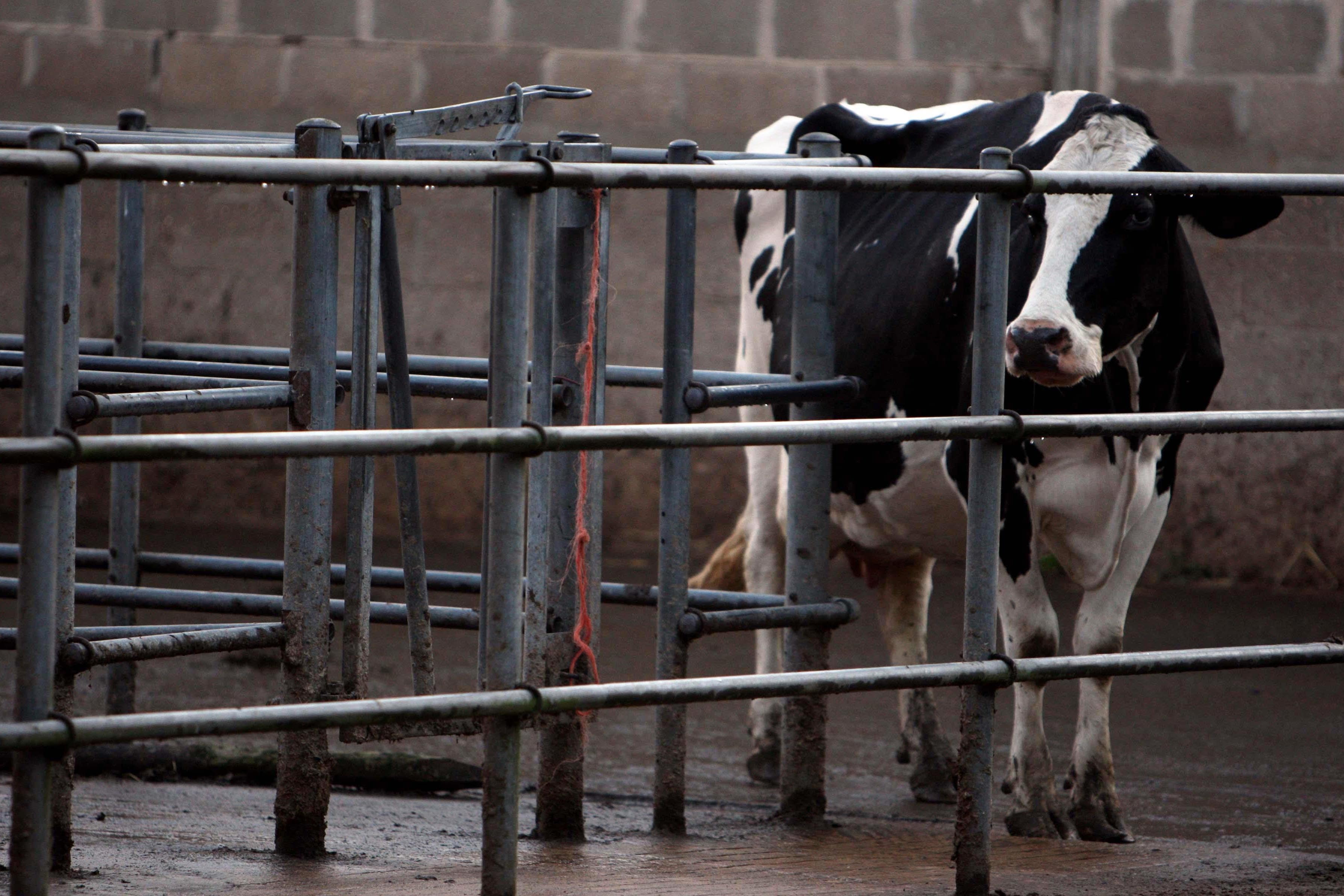
She added that, as the Animal and Plant Health Agency had introduced a new online system to report cases, it was vital surveillance continued over the autumn and winter months.
“It’s essential that Defra continues surveillance activity through the autumn and winter months, particularly in those counties most exposed to the risk of infected midges being blown across from the continent. While BTV-3 is the only serotype we are currently dealing with, we cannot afford to be complacent about the potential introduction of others.”
"At the same time, our message to farmers on vaccination remains clear. Vaccinating now can help protect animals through the remainder of this year and provide immunity into next year, reducing the risk of disease impacts on productivity, animal health and trade. Farmers should continue having conversations with their vet to make vaccination plans as soon as possible."
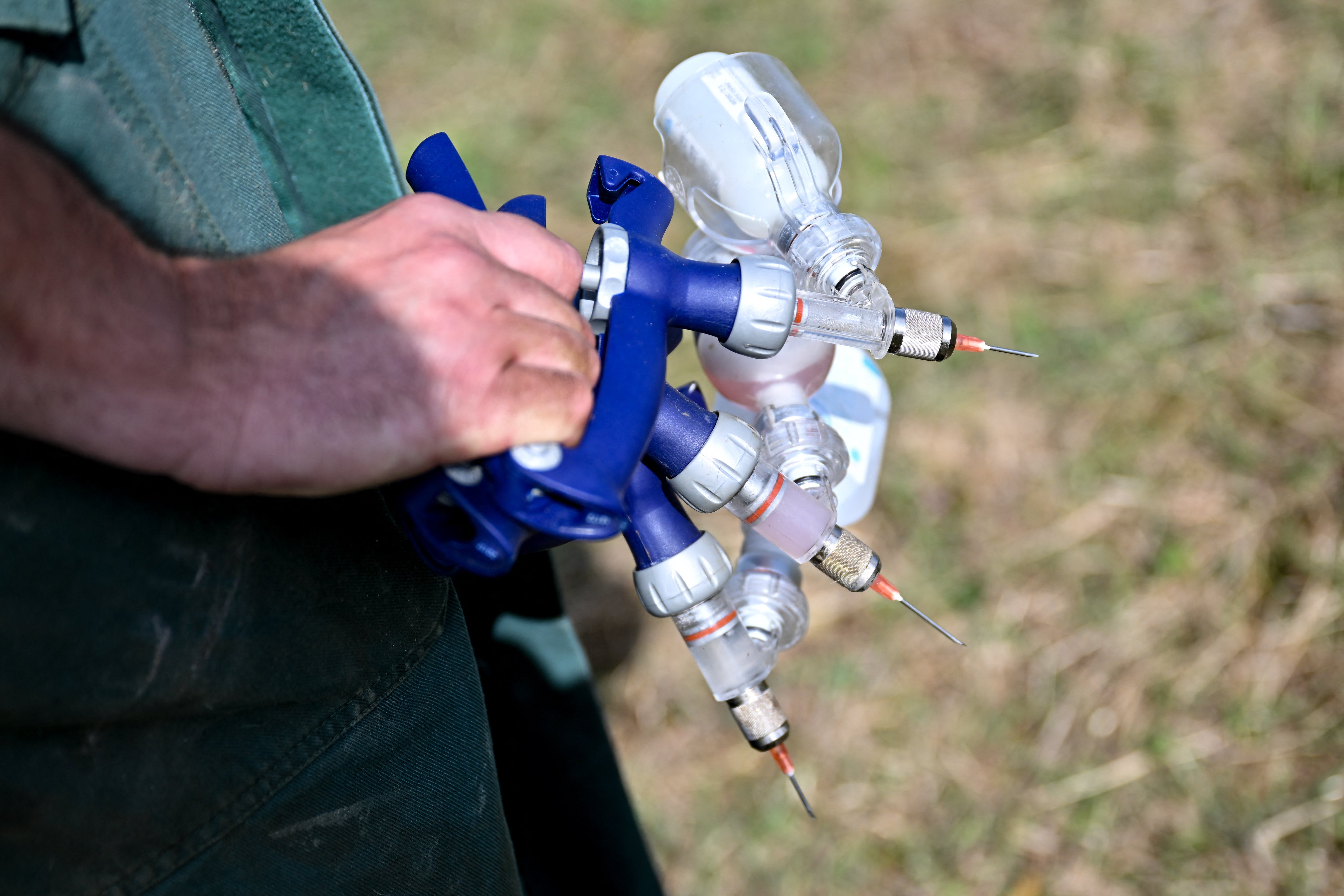
Defra said over the summer that hot and humid weather had created “favourable conditions for the biting midges that spread bluetongue,” likely contributing to the increase in cases.
The department said in its latest report the midges that spread bluetongue became active again on 31 March this year and temperatures were still consistently high enough for the virus to develop inside the insects, which means onward transmission was occurring.
But while bluetongue circulates northern Europe, the department stressed there was a low risk of transmission from infected midges blown across the Channel.
WOAH warned in 2024 that climate change could worsen bluetongue outbreaks in the future as the midges, previously endemic in the tropics and subtropics where temperature and humidity are ideal for biting midge survival, had begun to migrate into Europe since the 1990s.
The deputy UK chief veterinary officer, Ele Brown said in September: “Bluetongue is widely circulating in England and our approach needs to keep pace. Private vets are well placed to recognise signs of the diseases, and this change will mean farmers can get a diagnosis more quickly.
“Vaccination is the best tool available to help protect susceptible livestock, so I absolutely continue to urge farmers to speak to their vet about vaccinating their herd or flock. It takes time for immunity in vaccinated animals to build and it is best to have this conversation now.”
KioskNews shows a cleaned-up reading view extracted from the publisher’s page — the original always lives on their site, not ours.