Iran flogs female singer and four members of concert team over her performance without hijab
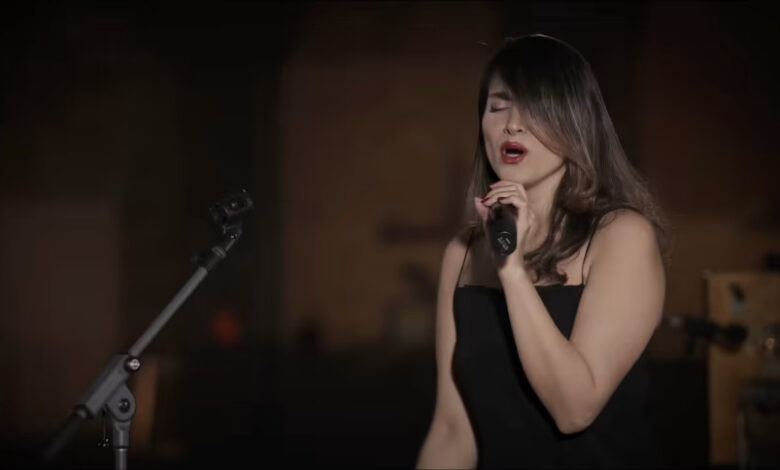
Iranian singer Parastoo Ahmadi was lashed 74 times on Monday over a performance in which she appeared without the mandatory hijab, according to defense attorney Mostafa Nili, cited by Iran Human Rights (IHRNGO).
Four members of her concert team also received 74 lashes each, IHRNGO said on X, citing Nili.
The sentences were carried out at the Sentence Enforcement Unit of the Qom Prosecutor’s Office against Ahmadi, concert organizer Mohsen Lashkari and musicians Soheil Faghih-Nasiri, Amin Taheri and Amir-Ali Pirnia.
The case followed the online release of Ahmadi’s “Caravanserai Concert,” filmed in December 2024 at the historic Deir-e Gachin Caravanserai near Qom, a Shiite holy city that is home to numerous Islamic seminaries and is considered a bastion of religious conservatism. (The Persian term caravanserai refers to ancient fortified waystations used by travelers and traders.)
A video of the performance, which had no live audience, showed Ahmadi singing alongside male musicians. She wore a long black sleeveless dress with her hair uncovered in defiance of Iran’s mandatory hijab rules.
Mahmood Amiry-Moghaddam, director of IHRNGO, told CNN that Ahmadi’s clothing was an important factor in the punishment, but he said the prosecution also related to her singing publicly and, more broadly, her challenge to Iranian authorities.
Shortly after the video was released, Iran’s judiciary-affiliated Mizan News Agency said authorities had opened a case against Ahmadi and members of the production team over what it described as an “illegal concert.” It said the performance did not comply with the country’s “legal and religious standards.”
A court convicted the five of “offending public decency” through the production and dissemination of what it described as vulgar and immoral online content. In addition to flogging, they received two-year bans on artistic and musical activities and foreign travel. An appeals court upheld the ruling in September.
Amnesty International has described flogging as a cruel, inhuman and degrading punishment. The human rights group accused Iranian authorities in a report last year of increasingly using arbitrary detention, prosecution and flogging against singers, journalists and women’s rights activists who challenge compulsory veiling.
The punishment comes amid continuing pressure on female performers in Iran. Singer Hiva Seyfizadeh was sentenced by a lower court to four years in prison for “encouraging corruption and prostitution” after performing traditional Iranian music in Tehran in February 2025.
Seyfizadeh said in a video posted on social media in August that she sang only several verses by renowned 13th-century Persian poet Saadi Shirazi, and she questioned how the performance could constitute encouragement of corruption or prostitution. She said she intends to appeal.
Iranian authorities did not immediately comment on the reported implementation of the flogging sentences.
KioskNews shows a cleaned-up reading view extracted from the publisher’s page — the original always lives on their site, not ours.